How Generics Control Healthcare Drug Spending: The Real Cost Savings
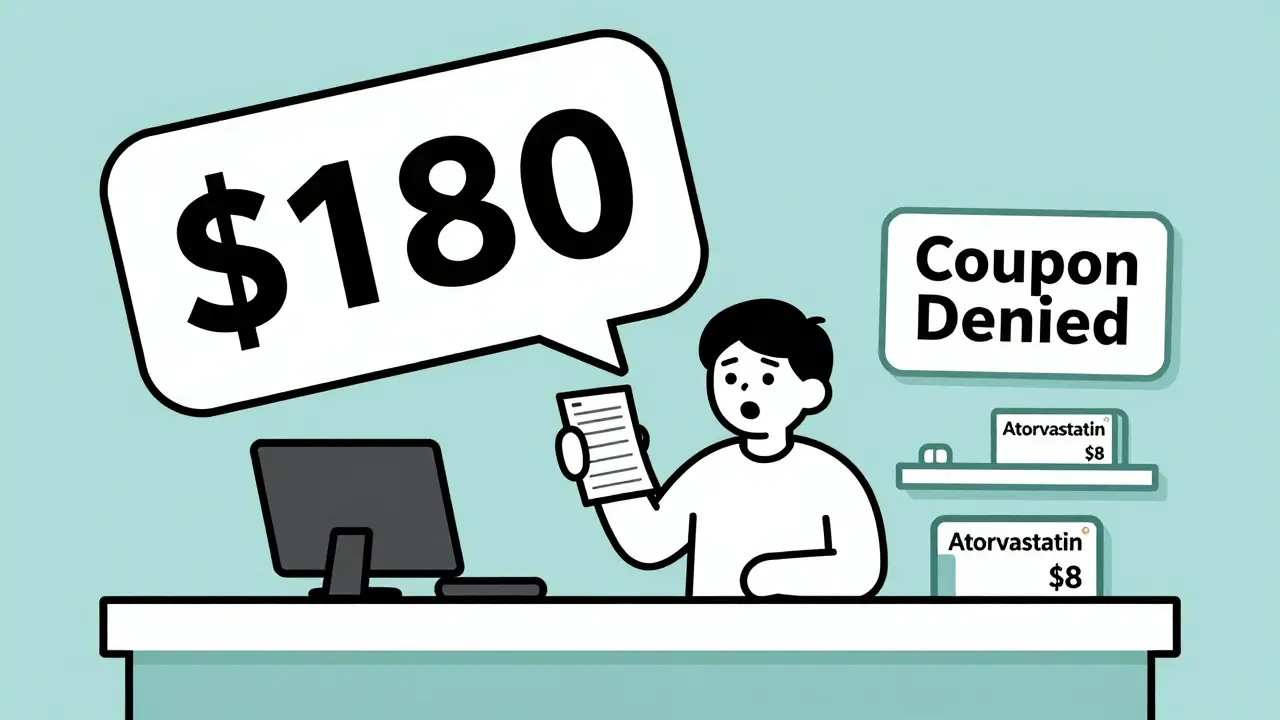
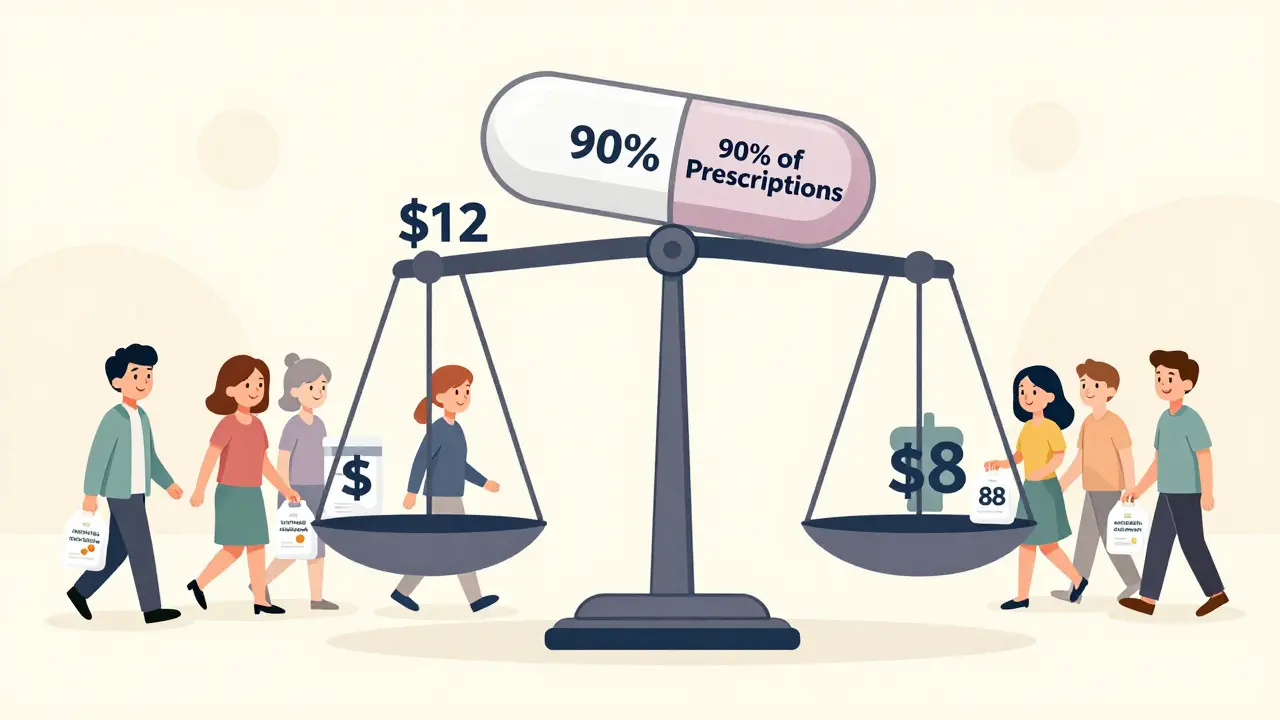
Generics make up 90% of U.S. prescriptions but only 12% of drug spending. Learn how they save billions, why they're safe, and why brand-name drugs still dominate costs.
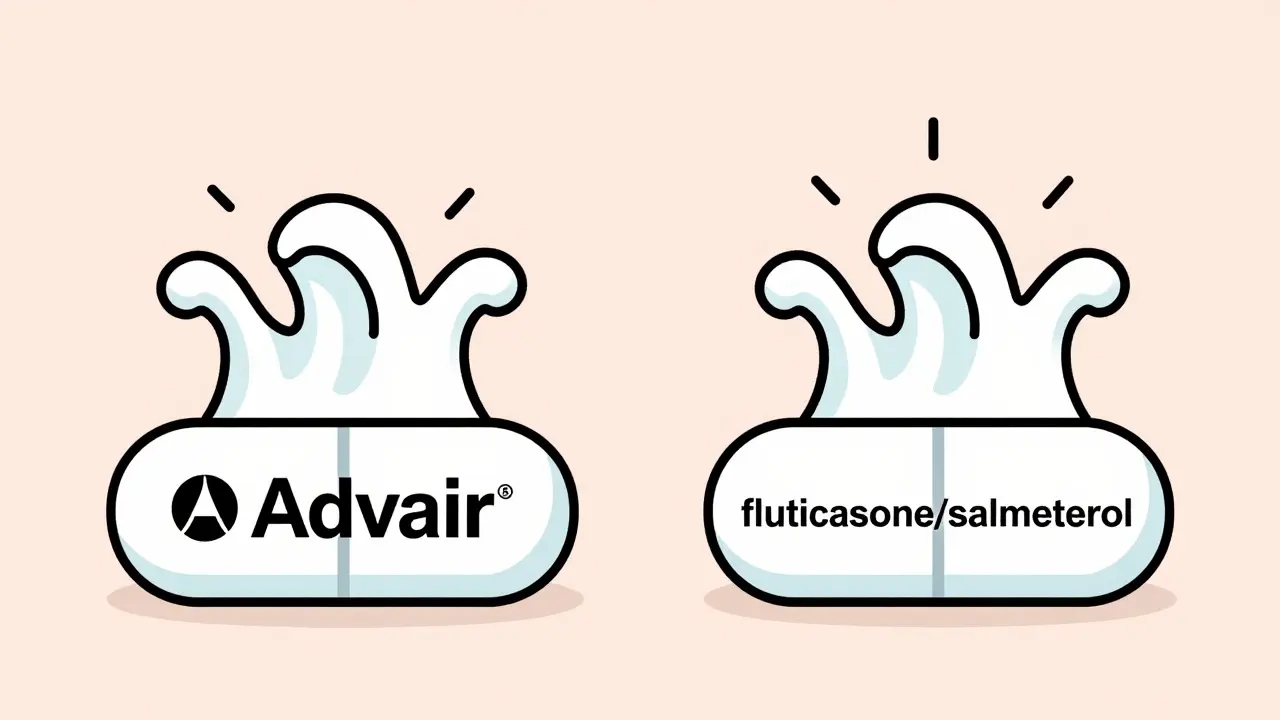
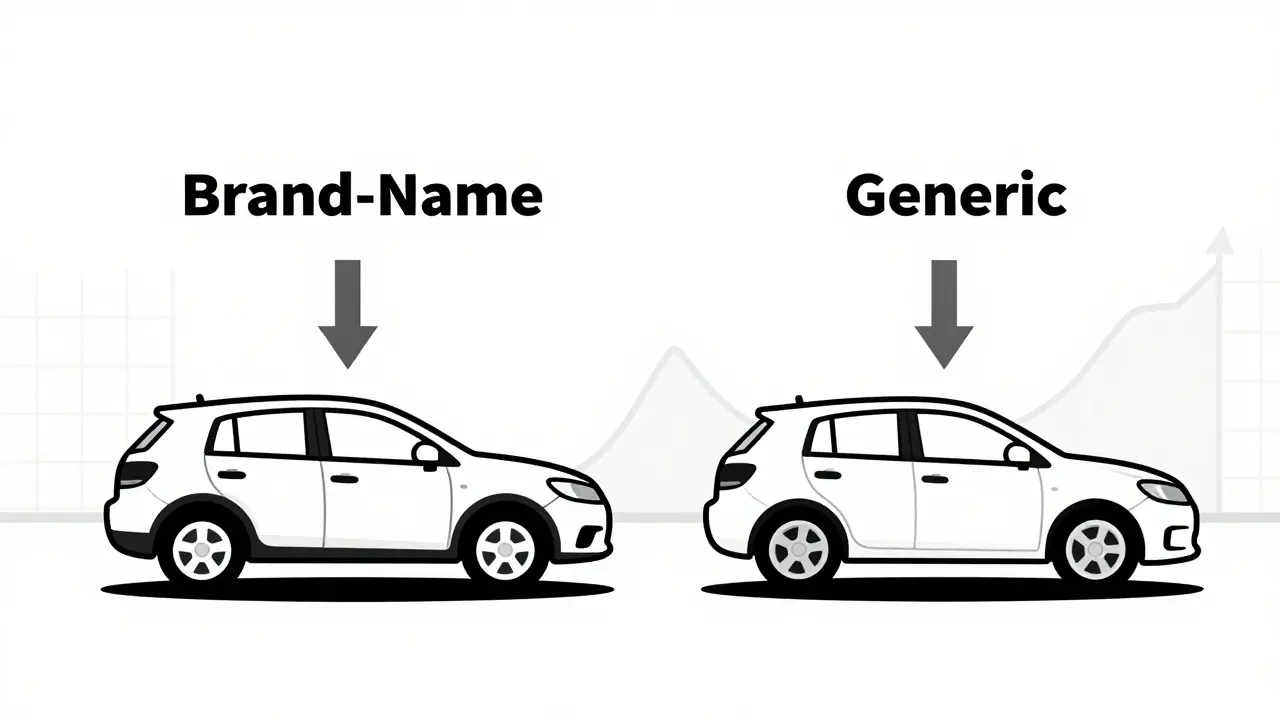
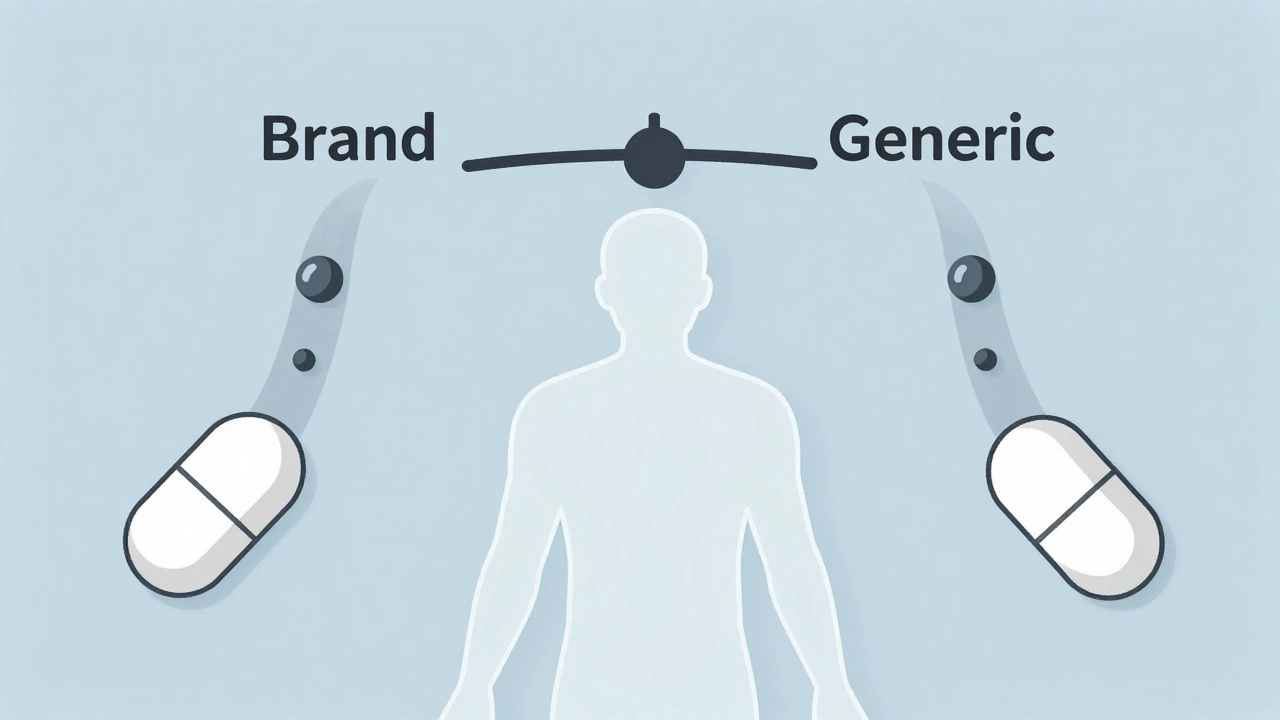
Long-term safety studies show generics and brand-name drugs aren't always interchangeable. Real-world data reveals surprising differences in effectiveness and side effects, especially for critical medications. Here's what the evidence says.
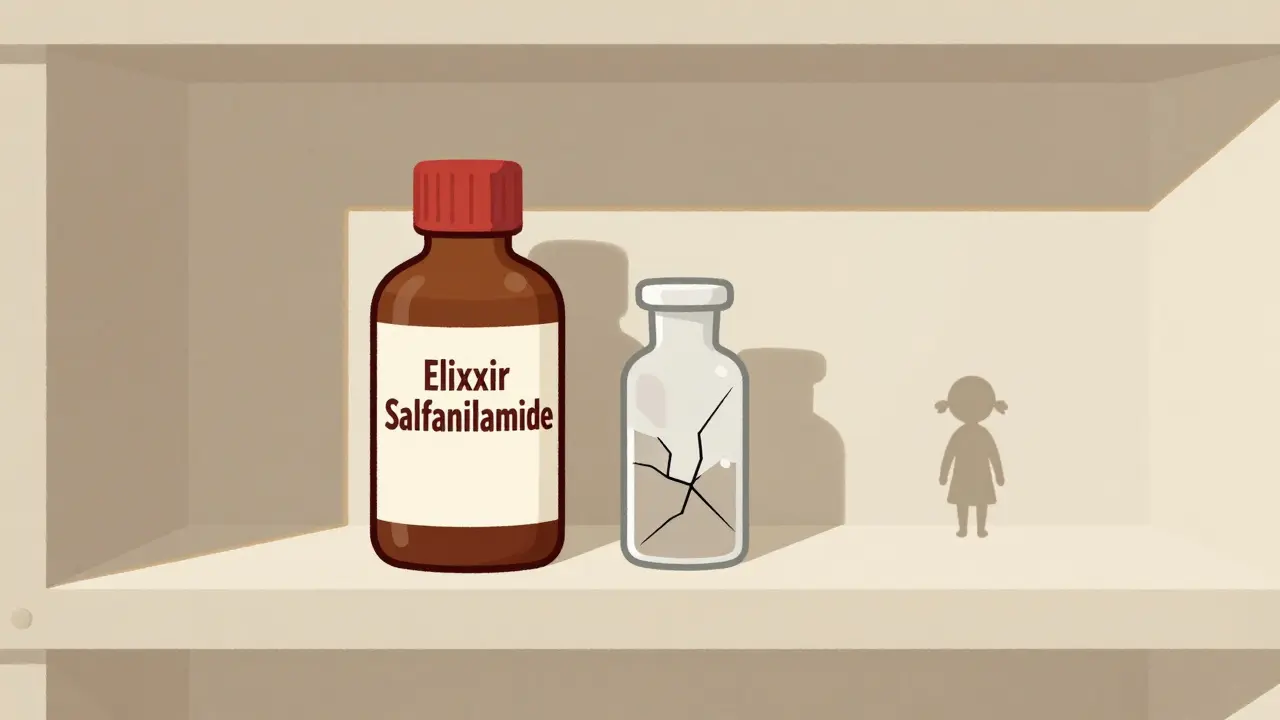
Generic drugs now make up over 90% of U.S. prescriptions, saving patients and the healthcare system hundreds of billions annually. Their rise began with deadly scandals, weak laws, and culminated in the landmark Hatch-Waxman Act of 1984.
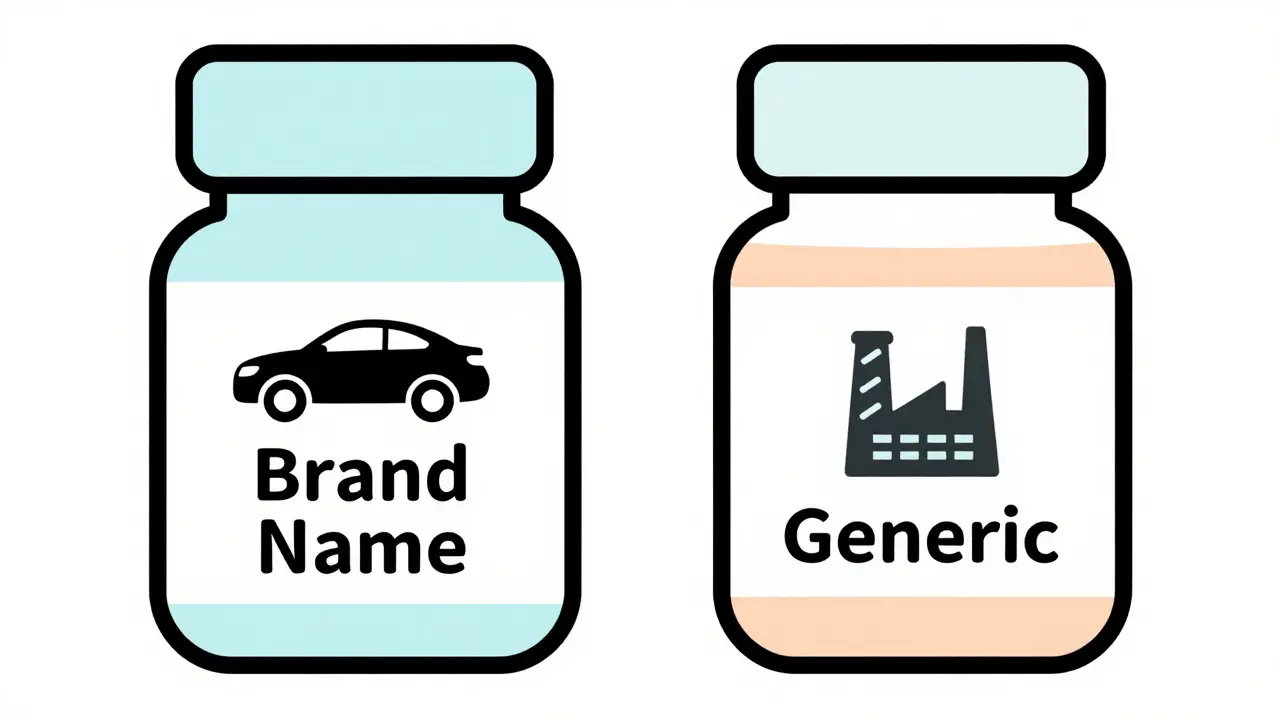
Generic drugs cost far less than brand-name versions because they avoid expensive R&D, benefit from massive production scale, and operate with minimal marketing. They're just as effective-and often the smarter choice.
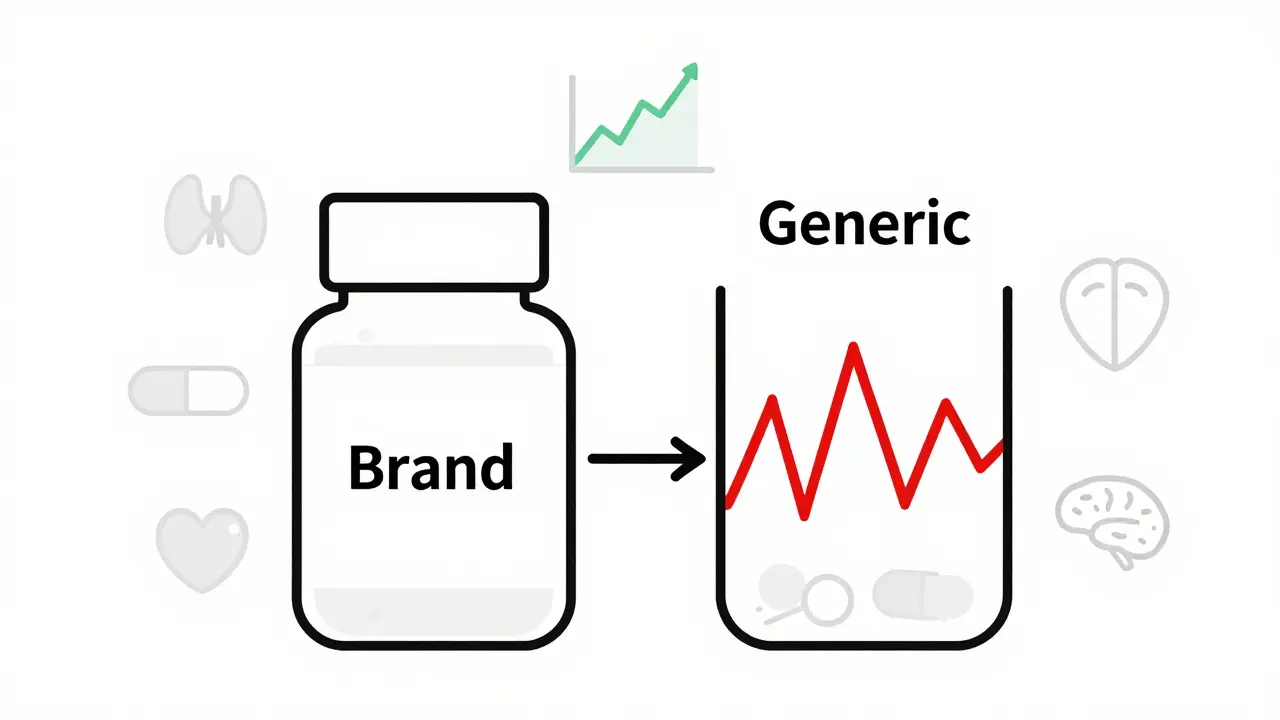
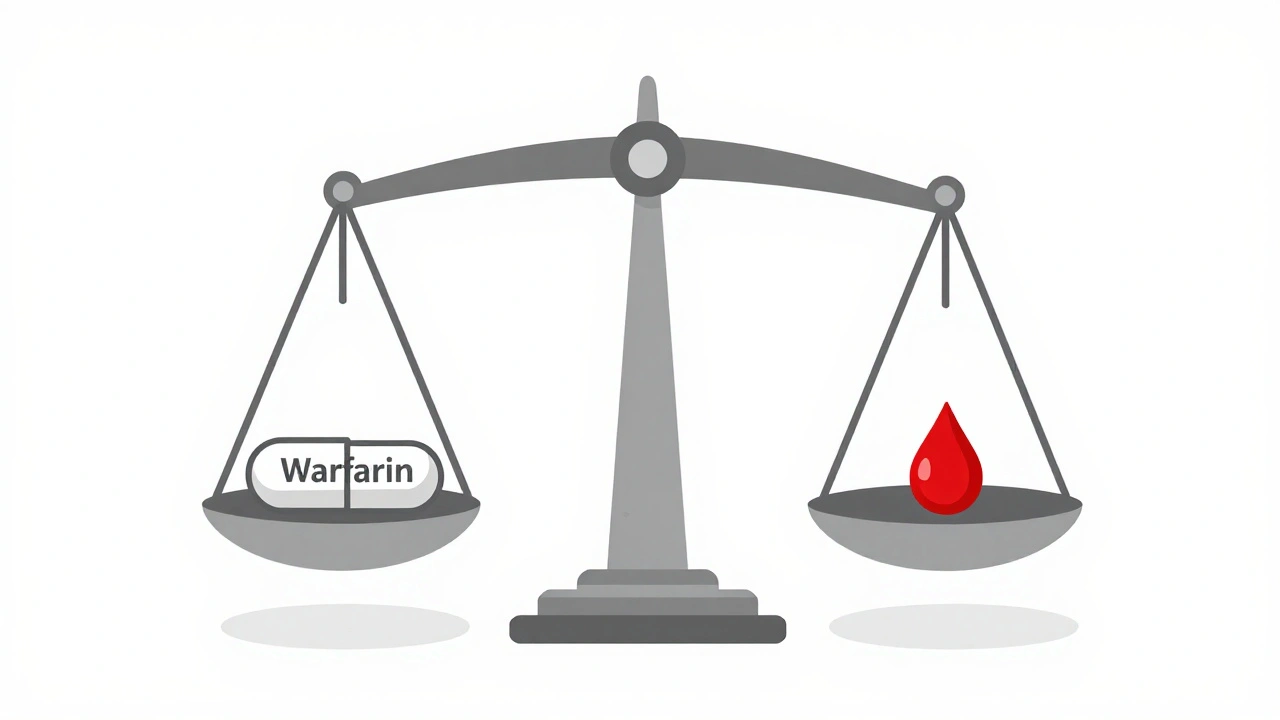
Narrow therapeutic index drugs require stricter bioequivalence standards to ensure patient safety. Learn how the FDA, EMA, and Health Canada regulate generics of critical medications like warfarin and levothyroxine.
Bioequivalence testing ensures generic drugs work as safely and effectively as brand-name versions. Learn how this science protects patients, saves billions, and keeps medication affordable without compromising health.