
Theophylline Clearance Interaction Calculator
Please enter data and click Calculate to see results.
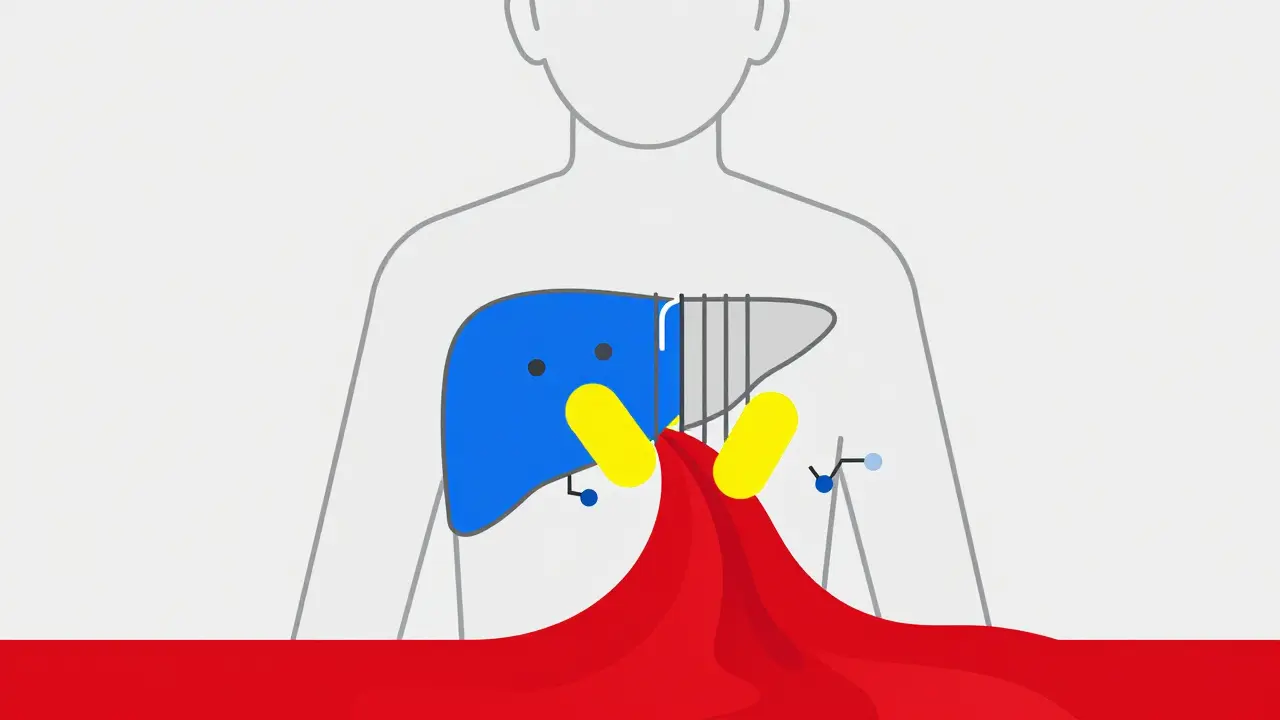
Imagine taking a daily medication that keeps your lungs open, only to have a new prescription for gout or an infection quietly push that lung medicine into dangerous territory. This isn't a hypothetical scenario; it is a real risk for patients on Theophylline, a methylxanthine derivative used primarily for respiratory diseases like asthma and COPD. Theophylline has a notoriously narrow therapeutic window, meaning the difference between a helpful dose and a toxic one is razor-thin. When certain medications slow down how your liver breaks this drug down, levels can spike rapidly, leading to nausea, seizures, or even life-threatening heart rhythms.
You might wonder why this matters if you aren't currently taking these drugs. Understanding theophylline clearance reduction caused by specific interacting medications is crucial because these interactions are preventable yet common. According to data from the FDA's Adverse Event Reporting System, over 40% of theophylline-related adverse events in recent years involved drug interactions that reduced clearance. If you or a loved one relies on this medication, knowing which other pills trigger this metabolic slowdown is not just academic-it is a safety necessity.
Why Theophylline Metabolism Is So Fragile
To understand why some drugs cause problems, we first need to look at how your body handles theophylline. Unlike many modern drugs that are excreted largely unchanged by the kidneys, approximately 90% of a theophylline dose undergoes biotransformation in the liver. This process relies heavily on a specific enzyme family called cytochrome P450, particularly the CYP1A2 isoenzyme.
Here is the catch: theophylline follows non-linear pharmacokinetics. In simpler terms, as the concentration of the drug rises within its therapeutic range (10-20 mcg/mL), the enzymes responsible for breaking it down can become saturated. Think of it like a toll booth with only two lanes open during rush hour. If traffic slows down slightly due to an accident (an inhibitor drug), cars don't just move a little slower-they pile up dramatically. A small decrease in clearance can result in a disproportionately large increase in serum concentration.
Normal adult clearance rates hover around 3 L/h, but this varies wildly based on factors like age, smoking status, and concurrent medications. For instance, smokers often have induced CYP1A2 activity, meaning they metabolize theophylline faster. When a smoker quits, that induction reverses, dropping clearance by 30-50%. Add an inhibiting medication to that mix, and the risk skyrockets. This complexity is why guidelines from the American Thoracic Society emphasize rigorous monitoring for anyone on this therapy.
Top Medications That Reduce Theophylline Clearance
Not all drugs affect theophylline equally, but several stand out as major culprits. These medications act as inhibitors, blocking the CYP1A2 enzyme or interfering with alternative metabolic pathways. Here are the most significant ones you need to watch for:
- Fluvoxamine: This selective serotonin reuptake inhibitor (SSRI) is arguably the most potent offender. Studies show it can decrease theophylline clearance by 40-50%. Because it blocks CYP1A2 so effectively, many clinical guidelines recommend avoiding this combination entirely. The European Respiratory Society notes a significantly increased odds ratio for adverse events when these two are paired.
- Cimetidine: Commonly used for acid reflux and ulcers, cimetidine reduces theophylline clearance by 25-30%. It is a broad-spectrum CYP inhibitor. Patients starting cimetidine while on stable theophylline therapy have seen serum levels jump from therapeutic ranges (e.g., 15.2 mcg/mL) to toxic levels (e.g., 24.7 mcg/mL) within just 72 hours without any change in their theophylline dose.
- Allopurinol: Used to treat gout, allopurinol interferes with xanthine oxidase, another pathway theophylline uses. High doses (600 mg daily) can reduce clearance by about 20%. Interestingly, lower doses (300 mg) may not show significant effects, making dosage context critical here.
- Erythromycin and Clarithromycin: These macrolide antibiotics inhibit CYP3A4, which plays a secondary role in theophylline metabolism. They can reduce clearance by 15-25%. While less dramatic than fluvoxamine, this drop is enough to push sensitive patients into toxicity, especially if they are already near the upper limit of the therapeutic range.
| Medication | Primary Mechanism | Estimated Reduction in Clearance | Clinical Recommendation |
|---|---|---|---|
| Fluvoxamine | CYP1A2 Inhibition | 40-50% | Avoid combination if possible |
| Cimetidine | CYP1A2 Inhibition | 25-30% | Reduce theophylline dose by 25%; monitor levels |
| Allopurinol (High Dose) | Xanthine Oxidase Inhibition | ~20% | Reduce theophylline dose by 20% |
| Erythromycin/Clarithromycin | CYP3A4 Inhibition | 15-25% | Monitor closely; consider dose adjustment |
| Furosemide | Unclear/Variable | 10-15% (Conflicting data) | Monitor; evidence is inconsistent |
The Hidden Risks of Polypharmacy in Older Adults
The risk of these interactions is not evenly distributed across all patient groups. Elderly patients with chronic obstructive pulmonary disease (COPD) are particularly vulnerable. Why? Because they are more likely to be on multiple medications for comorbid conditions like hypertension, arthritis, or depression. A 2021 study in Respiratory Medicine found that nearly 28% of theophylline prescriptions in patients over 65 involved at least one medication known to reduce clearance.
Even more concerning was the gap in care: only 37% of these high-risk cases had appropriate dose adjustments or therapeutic drug monitoring in place. Dr. Richard Casaburi, a professor of medicine, has noted that these interactions remain a leading cause of preventable hospitalizations in this demographic. The issue is often compounded by inadequate alerts in electronic health records, leaving clinicians unaware of the potential clash until symptoms appear.
Symptoms of theophylline toxicity do not always present as obvious respiratory distress. Early signs include nausea, vomiting, insomnia, and palpitations. As levels rise further, patients may experience cardiac arrhythmias or seizures. Recognizing these early warning signs is vital, especially when a new medication has recently been introduced.

Managing Interactions: Protocols and Monitoring
If you cannot avoid using a medication that interacts with theophylline, strict management protocols must be followed. You cannot simply guess the right dose; you need data. The University of Michigan Health System recommends reducing theophylline doses by 25-50% when initiating a potent CYP1A2 inhibitor, depending on the specific drug's strength.
Therapeutic drug monitoring (TDM) is non-negotiable in these scenarios. Serum levels should be checked within 48 to 72 hours of starting, stopping, or changing the dose of an interacting medication. This timeline aligns with the time it takes for steady-state concentrations to shift after a metabolic change. Waiting longer leaves patients exposed to potentially toxic levels unnecessarily.
Pharmacists play a critical role here. Recent initiatives, such as pharmacist-led interaction monitoring programs, have shown promise in reducing hospitalizations by over 37% in Medicare populations. Don't hesitate to ask your pharmacist to review your entire medication list against your theophylline prescription. They can identify subtle interactions that a busy primary care provider might miss.
Alternatives and Future Outlook
Given these risks, you might ask: why use theophylline at all? Its use has declined by 62% in the United States since 2000, replaced by safer bronchodilators like beta-agonists and anticholinergics. However, theophylline remains relevant in resource-limited settings and for specific indications like refractory nocturnal asthma. Global sales still reach approximately $187 million annually, with higher usage in Asia and Africa.
For patients who absolutely require theophylline, the strategy is shifting toward very low-dose regimens (100-200 mg daily) aimed at anti-inflammatory effects rather than pure bronchodilation. These trials specifically exclude patients on CYP1A2 inhibitors to mitigate risk. If you are considering alternatives, discuss newer inhalers or biologics with your pulmonologist. They offer targeted action without the complex hepatic metabolism issues associated with theophylline.
Ultimately, the goal is not to fear theophylline but to respect its pharmacokinetic quirks. By understanding which medications-like fluvoxamine, cimetidine, and allopurinol-slow its clearance, you can take proactive steps to stay safe. Regular blood tests, open communication with your healthcare team, and awareness of early toxicity symptoms are your best defenses against these preventable interactions.
What are the first signs of theophylline toxicity?
Early signs often include gastrointestinal issues like nausea and vomiting, as well as central nervous system effects such as insomnia, restlessness, and headache. As toxicity worsens, you may experience palpitations, cardiac arrhythmias, or seizures. If you notice these symptoms after starting a new medication, seek medical attention immediately.
How long does it take for an interacting drug to raise theophylline levels?
Serum levels can begin to rise within 24 to 48 hours of starting an inhibitor like cimetidine or fluvoxamine. Peak increases typically occur within 72 hours as the drug reaches a new steady state. This is why checking blood levels within this window is critical.
Can I stop my theophylline suddenly if I start a conflicting medication?
You should never stop theophylline abruptly without consulting your doctor, as this could lead to a sudden worsening of your asthma or COPD symptoms. Instead, your physician will likely adjust the dose downward or switch you to a different respiratory medication before introducing the interacting drug.
Does coffee or caffeine interact with theophylline?
Yes, caffeine is chemically similar to theophylline and competes for the same receptors and metabolic pathways. Consuming large amounts of caffeine can mimic the effects of theophylline toxicity, adding to the total burden on your system. It is generally advised to limit caffeine intake while on theophylline therapy.
Are there any drugs that increase theophylline clearance instead?
Yes, certain medications induce the CYP450 enzymes, speeding up metabolism. Examples include phenytoin, phenobarbitone, and rifampicin. These drugs can reduce theophylline levels by 30-60%, potentially making your treatment ineffective. Like inhibitors, these also require dose adjustments and monitoring.