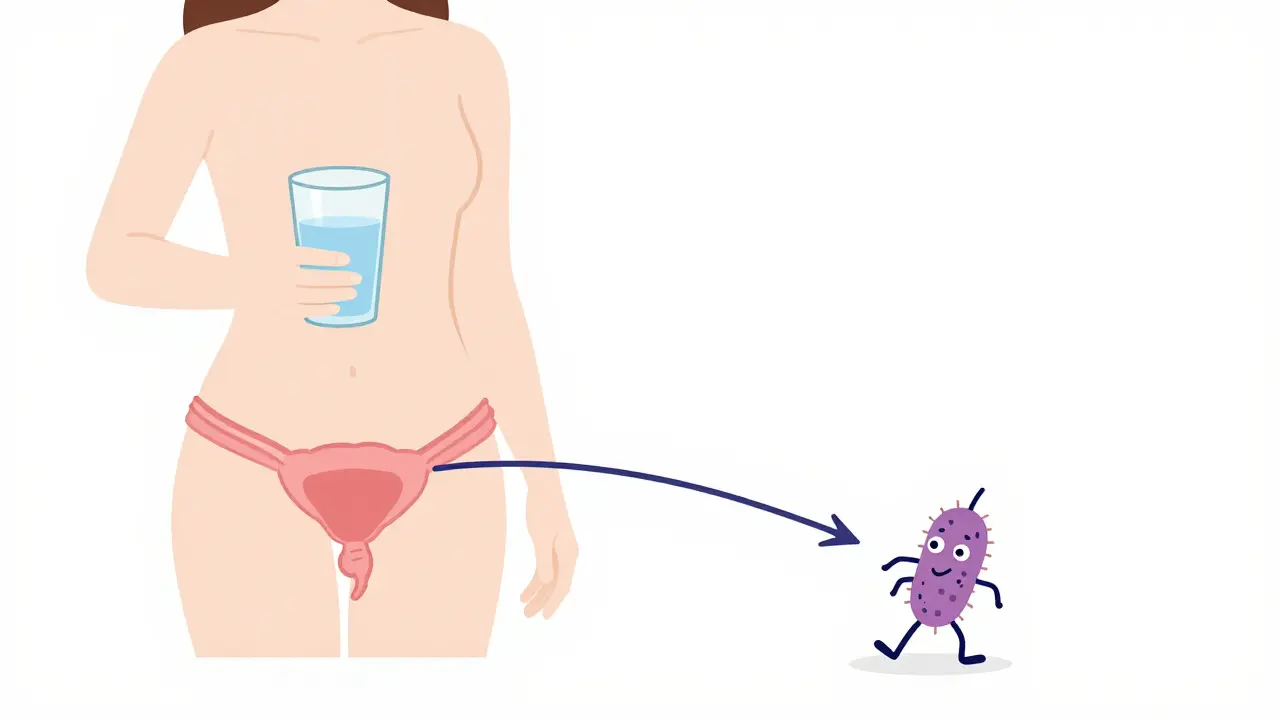
Every year, more than 150 million people around the world get a urinary tract infection. That’s more than the entire population of Japan. And while UTIs are common, they’re not harmless. Left untreated, they can climb up to the kidneys, trigger sepsis, or become a recurring nightmare - especially for women. If you’ve ever felt that sharp sting when you pee, or woke up in the middle of the night because your bladder felt like it was on fire, you know how quickly something simple can turn into a daily struggle.
What Causes a UTI?
Most urinary tract infections start with one bacterium: Escherichia coli. This bug lives harmlessly in your gut - until it finds its way to your urethra. From there, it travels up to the bladder, and sometimes even to the kidneys. In fact, 75 to 95% of all uncomplicated UTIs are caused by E. coli. Other culprits include Klebsiella, Proteus, and Enterococcus, but they’re far less common.
Why do women get UTIs so much more often than men? It’s anatomy. A woman’s urethra is about 4 centimeters long - short enough for bacteria to make a quick trip from the anus to the bladder. Men have a urethra that’s roughly 20 centimeters long, which makes infection much harder. That’s why women are 30 times more likely to get a UTI in their lifetime.
Other risk factors include:
- Sexual activity - especially if it’s frequent or new partners
- Using spermicides or diaphragms - they kill good bacteria and let bad ones take over
- Menopause - lower estrogen means thinner bladder and urethra lining, making it easier for bacteria to stick
- Not fully emptying your bladder - leftover urine is a breeding ground
- Diabetes or a weakened immune system - your body can’t fight off invaders as well
How Do You Know It’s a UTI?
There’s no guessing when it comes to symptoms. If you have one or more of these, it’s likely a UTI:
- Sharp pain or burning when you pee (reported by 92% of patients)
- Constant urge to go, even if you just did
- Cloudy, bloody, or strong-smelling urine
- Pelvic pressure or lower belly pain
If the infection moves up to your kidneys - called pyelonephritis - symptoms get serious:
- Flank pain (one side of your lower back)
- Fever above 38.3°C
- Nausea, vomiting, chills
This isn’t just a bad bladder. It’s a medical emergency. Kidney infections can lead to sepsis - a body-wide reaction that can be deadly. If you have fever with UTI symptoms, don’t wait. Get help.
Which Antibiotics Actually Work?
Antibiotics are the go-to treatment - but not all are created equal. What works depends on your location, your history, and whether the infection is simple or complicated.
For uncomplicated cystitis (bladder infection):
- Nitrofurantoin (100 mg twice a day for 5 days) - 90% effective. It stays in the bladder and kills bacteria without messing up your gut too much.
- Fosfomycin (a single 3g dose) - 86% cure rate. Great if you can’t take pills for several days.
- Trimethoprim-sulfamethoxazole (Bactrim, 160/800 mg twice daily for 3 days) - still works in places where resistance is under 20%. But in many U.S. areas, over 30% of E. coli are now resistant to it.
For complicated UTIs or kidney infections:
- Ciprofloxacin (500 mg twice daily for 7-14 days)
- Ceftriaxone (given as an IV shot, then switched to oral)
Important: Nitrofurantoin should NEVER be used for kidney infections. It doesn’t reach high enough concentrations in the kidneys to work. Using it here is like bringing a water pistol to a fire.
And here’s the catch: antibiotic resistance is rising. In Southern Europe, more than 25% of E. coli strains are now resistant to fluoroquinolones like ciprofloxacin. That’s why doctors are being told to avoid these drugs unless absolutely necessary.
New Hope: What’s on the Horizon?
The last new antibiotic approved specifically for UTIs was over 20 years ago. That changed in 2024 with the FDA’s approval of gepotidacin. In clinical trials, it cured 92% of cases caused by multidrug-resistant E. coli. It’s a big deal - and it’s just the start.
Another promising player is EB8018, a drug that blocks bacteria from sticking to the bladder wall. Instead of killing them, it stops them from setting up camp. In trials, it cut recurrence by 75% compared to placebo.
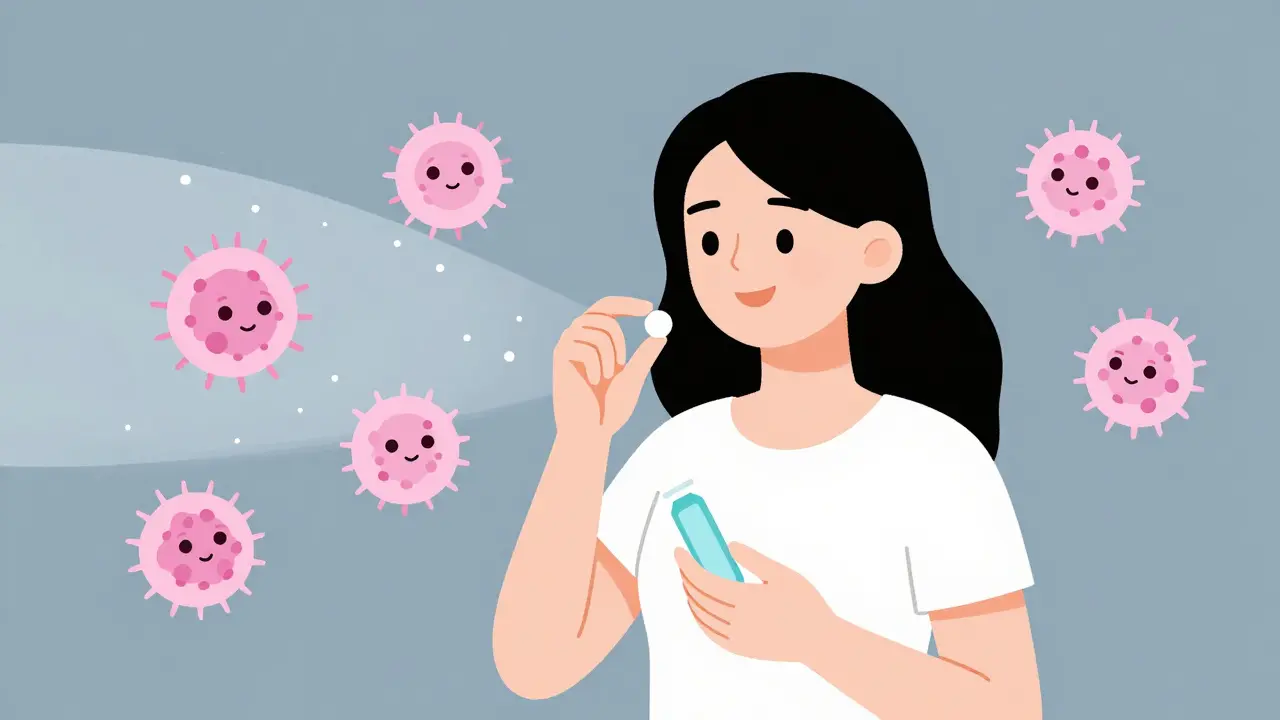
Even more exciting? Lactobacillus crispatus vaginal suppositories. A 2024 study in Nature Medicine showed they reduced UTIs by 55% in women who kept getting them. Think of it as repopulating your body with the right kind of bacteria - not just fighting the bad ones.
How to Prevent UTIs - For Good
Antibiotics treat the infection. Prevention stops it from coming back. Here’s what actually works, backed by science:
- Drink at least 1.5 liters of water a day. A 2022 JAMA trial showed this cuts UTI risk by 48%. Plain water. No need for fancy lemon water or detox teas.
- Pee after sex. This simple move reduces UTI risk by 50%. Don’t wait. Go right after.
- Avoid spermicides. Nonoxynol-9 (found in condoms and gels) increases your risk by 2.5 times. Switch to lubricants without it.
- Wipe front to back. Always. No exceptions. Even if you think you’re careful, bacteria from the anus can easily reach the urethra.
- For postmenopausal women: Vaginal estrogen cream (0.5g twice a week) cuts UTIs by 70%. It’s safe, effective, and often overlooked.
Non-antibiotic prevention:
- D-mannose: A natural sugar that stops E. coli from sticking. Taking 2g daily reduced recurrence by 83% in one study - better than antibiotics in some cases.
- Cranberry: Only works if it has enough proanthocyanidins (PACs). Look for supplements with 36mg PACs daily. Most juice? Useless. 80% of commercial products don’t have enough.
- Postcoital prophylaxis: If you get UTIs after sex, take a single low-dose antibiotic (like nitrofurantoin 50mg or trimethoprim 100mg) within 2 hours of intercourse. This cuts recurrence by 95%.
One woman in a 2024 CureTogether report went from 4.2 UTIs per year to zero after starting vaginal estrogen. Another switched to D-mannose and cut her antibiotic use in half. Prevention isn’t magic - it’s science.
What Doesn’t Work - And What to Avoid
There’s a lot of noise out there. Here’s what to ignore:
- Drinking vinegar or baking soda. No evidence. Might even irritate your bladder.
- Over-the-counter pain relievers alone. Phenazopyridine (Pyridium) eases burning - but it doesn’t kill bacteria. Don’t use it as a substitute for antibiotics.
- Ignoring symptoms. Some sources say 25-43% of mild UTIs resolve on their own. But the CDC warns: untreated UTIs can turn deadly, especially in older adults or people with diabetes.
- Using old or leftover antibiotics. Dosing wrong, taking the wrong one, or not finishing the course breeds resistant bugs.
And here’s a hidden problem: misdiagnosis. A 2023 survey found that 41% of people who thought they had a UTI were actually dealing with interstitial cystitis - a chronic bladder condition that looks similar but needs completely different treatment. If you keep getting UTIs despite treatment, ask about this.
When to See a Doctor
You don’t need to wait for a crisis - but you shouldn’t self-treat forever either. See a doctor if:
- Symptoms don’t improve in 48 hours after starting antibiotics
- You have fever, back pain, or vomiting
- You’re pregnant
- You’re male - UTIs in men are rare and often mean something deeper (like prostate issues)
- You get UTIs more than twice in six months
For recurrent cases, a urine culture is essential. It tells your doctor exactly which bacteria you’re dealing with - and which antibiotics will actually work. Don’t settle for guesswork.
| Drug | Dose | Duration | Effectiveness | Key Notes |
|---|---|---|---|---|
| Nitrofurantoin | 100 mg twice daily | 5 days | 90% | Best for bladder infections only. Avoid in kidney infections. |
| Fosfomycin | 3g single dose | One-time | 86% | Convenient. Good for travel or non-compliant patients. |
| Trimethoprim-Sulfamethoxazole | 160/800 mg twice daily | 3 days | 85% | Use only if local resistance is under 20%. |
| Ciprofloxacin | 500 mg twice daily | 7-14 days | High | Reserved for complicated cases. Avoid unless necessary. |
Frequently Asked Questions
Can a UTI go away on its own without antibiotics?
Yes - but it’s risky. Studies show 25-43% of mild, uncomplicated UTIs resolve without treatment. However, the CDC warns that untreated infections can spread to the kidneys or cause sepsis, especially in older adults, pregnant women, or people with diabetes. If you’re otherwise healthy and have mild symptoms, you can wait 24-48 hours to see if things improve. But if you develop fever, back pain, or nausea, seek care immediately.
Why do I keep getting UTIs after sex?
Sex pushes bacteria from the anus and vulva into the urethra. This is especially common in women due to short urethral length. The solution? Pee within 10 minutes after sex, avoid spermicides, and consider postcoital prophylaxis - taking a low-dose antibiotic (like nitrofurantoin 50mg) right after intercourse. This reduces recurrence by up to 95% in clinical trials.
Is cranberry juice good for preventing UTIs?
Most cranberry juice? No. It’s too diluted. Only high-dose cranberry supplements with at least 36mg of proanthocyanidins (PACs) daily have been shown to reduce UTIs by 39% in recurrent cases. Most store-bought juices contain less than 10mg per serving - and added sugar makes them worse for your bladder. Stick to pills or capsules with verified PAC content.
Can men get UTIs?
Yes - but it’s rare and often a sign of something else. In men, UTIs are usually linked to an enlarged prostate, kidney stones, or a urinary catheter. If a man gets a UTI, especially more than once, he should be evaluated for underlying conditions. Antibiotic treatment is always required, and longer courses are often needed.
What’s the best way to prevent recurrent UTIs?
There’s no one-size-fits-all, but the most effective strategies combine behavioral changes with targeted prevention. Drink 1.5L of water daily, pee after sex, avoid spermicides, and wipe front to back. For women with frequent UTIs, vaginal estrogen (if postmenopausal) or D-mannose (2g daily) are highly effective. Postcoital antibiotics or daily low-dose prophylaxis (like nitrofurantoin 50mg at night) reduce recurrence from 6-7 episodes per year to under 1. Talk to your doctor to build a personalized plan.
What Comes Next?
If you’ve had more than two UTIs in six months, you’re not alone - and you don’t have to live with it. The tools to stop recurrent infections are here: D-mannose, vaginal estrogen, postcoital antibiotics, and even probiotic suppositories. But they only work if you use them right.
Start with the basics: water, pee after sex, front-to-back wiping. Then, if you’re still struggling, ask your doctor about testing for resistance, checking your estrogen levels, or trying D-mannose. Don’t accept antibiotics as your only option. Prevention is powerful - and it’s within reach.
Lillian Knezek
i knew it!! 🤯 the government is hiding the truth about UTIs!! they don't want you to know that 5G towers cause E. coli to mutate!! 📡💀 i've been drinking distilled water + lemon peel since 2018 and i'm 100% UTI-free... they're just scared of natural cures. #CoverUp
Christopher Brown
Americans are lazy. You drink water? Big deal. In my country, we just take antibiotics like candy. Problem solved. Stop overcomplicating everything.
Sanjaykumar Rabari
this is fake news. E. coli is a tool of big pharma. They want you sick so they can sell antibiotics. I only use turmeric and cow urine. Works better than any drug. Trust me, I am from India. We know.
Kenzie Goode
I just want to say... this article made me feel seen. Like, I've had 7 UTIs in 3 years and I thought I was broken. Turns out I'm just a woman with anatomy? Who knew? 🥲 thank you for the science. I'm trying D-mannose now. Praying.
Dominic Punch
If you're getting recurrent UTIs, stop blaming your body. Start optimizing your lifestyle. Hydration isn't optional. Peeing after sex isn't a suggestion. D-mannose isn't a gimmick - it's biochemistry. You don't need magic. You need discipline. Start today.
Valerie Letourneau
I am writing from Vancouver, and I must say, this is one of the most thoroughly researched and elegantly presented medical summaries I have encountered in recent memory. The inclusion of clinical trial data, regional resistance patterns, and non-pharmaceutical interventions reflects a commendable commitment to evidence-based practice. Bravo.
Khaya Street
Interesting article. But let's be honest - most people don't care about this stuff until they're screaming in the bathroom at 3 a.m. Then they Google 'how to stop UTI pain' and buy the first thing on Amazon. Prevention? Nah. Just give me the antibiotics.
Christina VanOsdol
Okay. So. Let’s break this down. 🧐 1. Nitrofurantoin = 90% effective. 2. Fosfomycin = 86%. 3. Trimethoprim-sulfamethoxazole = 85%... BUT wait - resistance is over 30% in the US? So why are we still prescribing it?? 😭 And then there’s D-mannose - 83% reduction?!?! Why isn’t this on every pharmacy shelf?!?! And cranberry juice? Pfft. 10mg PACs? That’s not even a snack! 😤 This is a scam. A. SCAM.
Brooke Exley
You are SO NOT ALONE. Seriously. I used to get a UTI every other month. Felt like my body was betraying me. Then I started the D-mannose + pelvic floor stretches + post-sex pee routine. Zero in 14 months. I cried. I’m not a miracle worker - I just followed the science. You got this. One sip of water at a time. 💪
Alfred Noble
i read this and thought 'huh' then i peed and it hurt so i took a picture of my urine and sent it to my doc. they said 'its a uti' and gave me nitro. i drank 2l of water and now i feel like a new person. thanks for the info. i think i might start taking d-mannose. its kinda wild how simple it is right?
Bhaskar Anand
You Americans think you know everything. In India, we don’t need D-mannose. We use neem leaves. Boil them. Drink. Done. You people over-medicalize everything. Also, why are you so obsessed with water? We drink tea. Tea kills bacteria. Simple.
William James
It’s funny - we treat UTIs like a personal failure. Like it’s something we did wrong. But it’s biology. It’s anatomy. It’s evolution. We’re not broken. We’re just built differently. And the fact that we’re finally starting to understand how to support our bodies - not just attack them - feels like a quiet revolution.
David McKie
I’m so tired of people treating UTIs like a joke. I had sepsis from one. I spent 11 days in ICU. My kidneys are permanently scarred. And now you’re all here talking about cranberry juice like it’s a TikTok trend? Wake up. This isn’t a lifestyle hack. It’s a matter of life and death. Stop being naive.
Southern Indiana Paleontology Institute
I work at a paleontology institute. We dig up 50-million-year-old bacteria. Let me tell you - E. coli has been around since the Cretaceous. It's not going anywhere. Antibiotics? They're just a bandaid. The real solution? Evolution. We need to evolve. Or die. Science says so.