Every year, over 1.3 million people visit emergency rooms due to medication-related problems. But what if simple lifestyle changes could lower those risks? Research shows that adjusting diet, exercise, and sleep habits can reduce the need for certain medications and minimize dangerous side effects-when done correctly under medical supervision. These lifestyle changes are not just helpful-they're essential for medication safety.
How Food Choices Impact Medication Safety
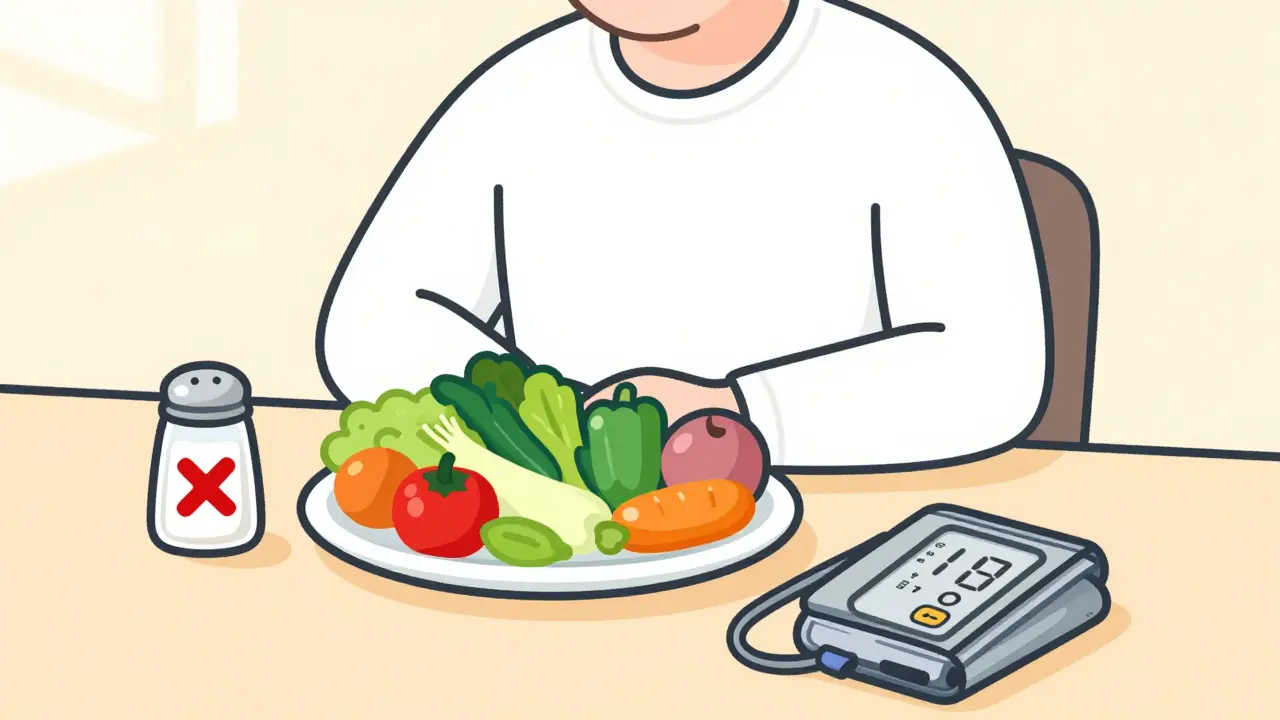
What you eat plays a major role in how medications work. For example, reducing sodium intake can lower blood pressure as effectively as medication for hypertension. A 2023 study in the New England Journal of Medicine found that following the DASH diet and cutting salt can drop blood pressure by 11/5 mm Hg-comparable to a single antihypertensive drug. The American Heart Association recommends limiting sodium to 1,500 mg daily for those with high blood pressure.
For type 2 diabetes, a diet focused on whole foods and portion control can improve blood sugar control. Research shows that losing 5-7% of body weight through dietary changes can reduce medication needs by up to 40% in people with diabetes. This is especially important since diabetes doubles the risk of heart disease, according to the American Heart Association's Know Diabetes by Heart initiative.
However, not all healthy foods work well with medications. Grapefruit, for example, affects 85% of statins, leading to dangerous side effects. Leafy greens high in vitamin K can make blood thinners like warfarin less effective. Dairy products can reduce the absorption of certain antibiotics. Always talk to your pharmacist before changing your diet-they can spot potential interactions and help you stay safe.
How Lifestyle Changes Compare to Medications
| Lifestyle Intervention | Effect on Condition | Comparison to Medication |
|---|---|---|
| Reducing sodium intake and following the DASH diet | Lowers blood pressure by 11/5 mm Hg | Comparable to a single antihypertensive medication |
| 5-7% body weight loss through diet and exercise | Reduces need for diabetes medications by up to 40% | Equivalent to certain oral diabetes medications |
| 150 minutes of moderate exercise weekly plus strength training | Improves cardiovascular health and reduces cardiac strain | Reduces heart disease risk similarly to some medications |
The Power of Movement
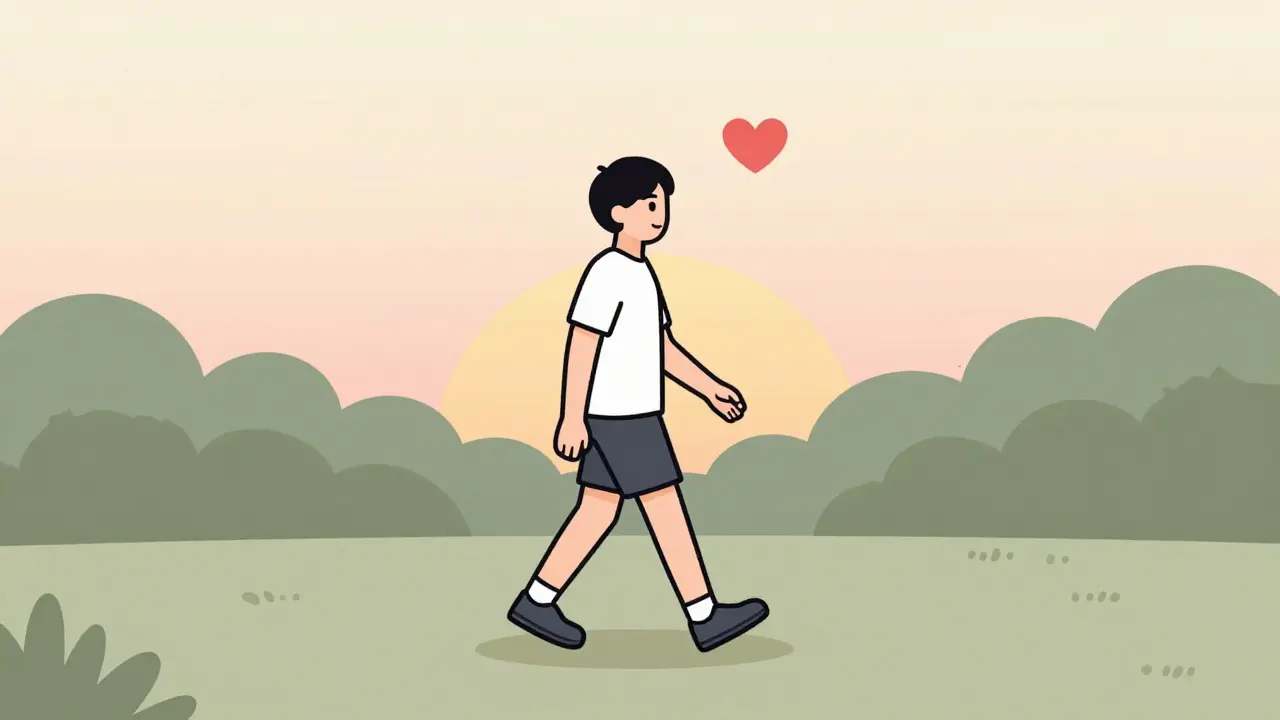
Physical activity is another powerful tool. JenCare Medical Centers reports that 30 minutes of brisk walking three times a week can strengthen the heart and lower blood pressure. The Michigan State University College of Pharmacy recommends 150 minutes of moderate exercise weekly plus two days of strength training to see cardiovascular benefits. Consistency matters-effects build over 8-12 weeks.
For people with type 2 diabetes, regular exercise improves insulin sensitivity. A 2023 study in JAMA Internal Medicine showed that combining exercise with dietary changes reduced medication needs by 25-50% for chronic conditions like diabetes and hypertension. This is especially important because people with diabetes are twice as likely to die from cardiovascular disease.
Why Sleep Is Medicine
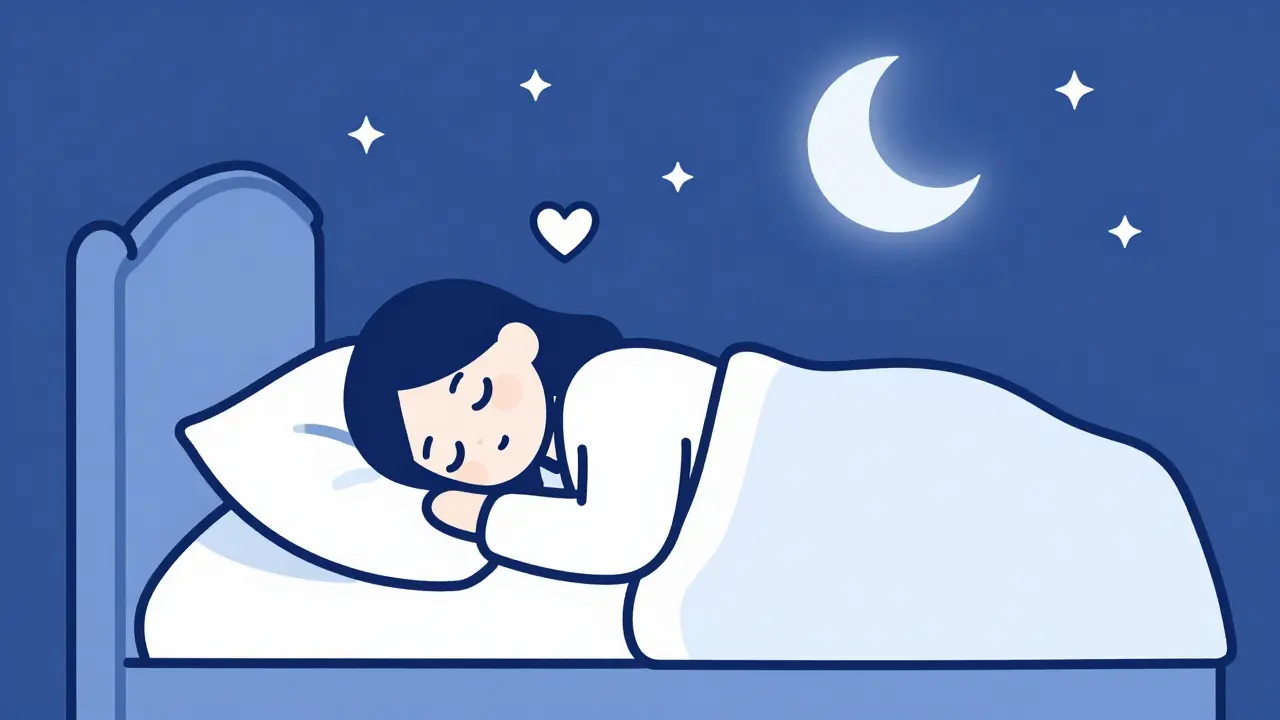
Sleep isn't just rest-it's medicine. Getting 7-9 hours nightly helps regulate blood pressure and blood sugar. Chronic sleep deprivation is linked to higher risks of hypertension and diabetes. A 2023 meta-analysis in JAMA Internal Medicine found that people who sleep well are 23% less likely to develop high blood pressure.
When you're tired, your body releases stress hormones that raise blood pressure and blood sugar. Over time, this increases the need for medications. Prioritizing sleep can reduce medication doses or even eliminate the need for some drugs. For example, a 2024 UC Davis Wellness Academy presentation showed that improving sleep quality reduced blood pressure medication needs by 15% in participants.
Working with Your Healthcare Team
Never stop or change your meds without consulting your doctor. The Express Scripts Pharmacy Blog warns that self-adjusting medications can cause serious health risks. Your healthcare team should monitor your progress and adjust treatments as lifestyle changes take effect. Regular check-ins ensure your approach stays safe and effective.
Pharmacists are key partners in medication safety. They can review all your medications for potential interactions, including those from supplements or foods. For example, they can tell you if your blood thinner interacts with vitamin K-rich foods. They also help you understand proper dosing schedules to avoid missed doses or overdoses.
Xuan-Mai Nguyen, M.D., Ph.D., a researcher with the Department of Veterans Affairs Boston Healthcare System, states: "Lifestyle modifications are recommended as the cornerstone for preventing and managing Type 2 diabetes." But she emphasizes that lifestyle changes must complement-not replace-medications. "If someone does not have access to GLP-1 RAs, adopting healthy lifestyle habits can still lower the risk of having a stroke, heart attack or dying from heart-related issues," she explains.
Can lifestyle changes replace my medication?
No. Lifestyle changes work best alongside medications, not instead of them. Harvard Medical School's Rob Shmerling states medications should be "in addition to" lifestyle changes. For example, someone with hypertension might still need medication but could lower their dose with diet and exercise.
Which foods interact with common medications?
Grapefruit affects 85% of statins and some blood pressure medications. Vitamin K-rich leafy greens interfere with blood thinners like warfarin. Dairy products can reduce absorption of antibiotics like tetracycline. Always check with your pharmacist before making dietary changes.
How long until lifestyle changes affect medication needs?
It usually takes 3-6 months of consistent changes to see measurable effects. UC Davis research shows dietary habits take 4-6 weeks to form, while exercise benefits show after 8-12 weeks. Patience is key-small daily steps add up over time.
Do I need to consult my pharmacist about diet changes?
Yes. Pharmacists are trained to spot food-drug interactions. For example, if you take warfarin, they can advise on safe levels of vitamin K in your diet. They also check if your medications interact with supplements you're taking.
What's the most effective lifestyle change for hypertension?
Reducing sodium intake and following the DASH diet. Studies show this lowers blood pressure as much as a single medication. The American Heart Association recommends 1,500 mg of sodium daily for hypertensive patients. Adding regular exercise and sufficient sleep further enhances these benefits.
Joyce cuypers
Cutting salt helped my BP. Small changes matter.
Dina Santorelli
I've tried the DASH diet but it's too hard. Who has time for that? Just give me the pill already.
Cullen Bausman
Lifestyle changes are essential for national health security. Americans must take responsibility for their own health. Medications are not a panacea. We need to focus on discipline and self-control.
Albert Lua
In my culture, we've always valued natural remedies. Diet and exercise help, but medical advice is crucial. Balance is key.
Katharine Meiler
The data shows dietary interventions synergize with pharmacotherapy. DASH protocol effectively reduces BP, but individual variability requires personalized approaches.
Elliot Alejo
This guide is solid. I've seen patients benefit from combining lifestyle changes with meds. Always work with healthcare providers to adjust treatments safely.
Thorben Westerhuys
Oh my gosh, this is life-changing! I've struggled with meds for years, and cutting salt really helped. It's a game-changer. I can't wait to tell my doctor!
Carl Crista
Let me tell you something the government doesn't want you to know. All these medications are designed to keep you dependent so they can sell more drugs. The real solution is lifestyle changes, but they don't talk about it because it's not profitable. I've been researching this for years.
Did you know that the FDA approves drugs that are actually harmful? They have a secret agenda. For example, statins cause more harm than good.
The DASH diet and exercise can lower blood pressure better than any pill. They suppress this information because they're not profitable. It's all a scam. You have to take control of your own health. Stop taking those pills and eat right.
I've seen people get better by just changing their diet. They're lying to you. The truth is out there if you look for it. The system is rigged against you. Don't trust the doctors; they're in cahoots with Big Pharma.
I've got proof. Check the data. It's all there. They're hiding the facts. You need to wake up. This article is just a small part of the bigger picture.
The real solution is simple: avoid processed foods, exercise daily, and sleep well. But they don't tell you that because it's not profitable. It's time to take back your health. Stop taking meds and start living right.
The evidence is clear. They're lying. Look up the studies yourself. I've done it. The truth is out there. You need to fight back. Don't let them control your health. It's all about money. They don't care about you. They just want your money. Wake up!
The lifestyle changes work better than any drug. The government and Big Pharma are working together to keep you sick. It's time to take action. Start today. Change your diet. Exercise. Sleep. You can do it. Don't believe the hype. The real solution is simple. They don't want you to know. But now you do. Take control. It's your life. Don't let them take it from you. The evidence is overwhelming. Lifestyle changes are the key. Medications are just a distraction. Wake up and take charge of your health. This is the truth. They're hiding it. But you know now. Do something about it.
Lisa Scott
The FDA's approval process is corrupt. They approve drugs that don't work. I've seen studies showing lifestyle changes are more effective. They're hiding this. It's all about profits. You have to wake up.
Nancy Maneely
OMG, you're so right! Big Pharma is controlling everything. They don't care about us. I've been taking my meds for years and I feel great, but they want to push this lifestyle nonsense. It's a scam!
Phoebe Norman
Sodium reduction correlates with BP improvement but confounding variables not controlled. DASH diet effect size is modest.
Danielle Vila
Did you know the FDA is hiding the truth about meds? They want you to take pills so they can control you. I've been researching this and found that the real solution is to eat more kale and avoid all processed food. The government doesn't want you to know this!
Cole Streeper
The pharmaceutical companies are pushing this to keep us dependent. They don't want us to know that lifestyle changes can replace meds. I've seen it firsthand. My neighbor stopped taking his meds and now he's fine. The system is rigged.
Laissa Peixoto
It's interesting how lifestyle changes can complement meds. People often overlook sleep. Getting enough rest is crucial for processing meds properly. We should all rethink our daily habits.
Tehya Wilson
Lifestyle changes are insufficient. Medications are necessary. This lacks scientific rigor. Don't be misled.