
It’s not about forgetting your pills. It’s about side effects-the nausea, the dizziness, the fatigue, the weird tingling-that make you wonder if the medicine is worse than the condition. You’re not lazy. You’re not careless. You’re just human. And if you’ve ever skipped a dose because you felt worse after taking your meds, you’re not alone. Nearly half of all people on long-term prescriptions don’t take them as directed. And side effects are one of the biggest reasons why.
Why Side Effects Stop People from Taking Their Meds
Think about it: you’re told to take a pill every day to lower your blood pressure, manage your diabetes, or treat depression. But after a few days, you feel foggy, shaky, or sick to your stomach. You start wondering-am I fixing one problem only to create another? A 2025 study in Frontiers in Pharmacology found that up to 34% of people who start a new medication don’t even fill the second prescription because of how they feel. That’s not noncompliance. That’s self-preservation.
It’s worse with mental health meds. People with depression are twice as likely to skip their antidepressants or antianxiety drugs because of side effects like weight gain, sexual dysfunction, or emotional numbness. And once they stop one, they often stop all their meds-even the ones that are working fine. It’s a domino effect. One bad reaction leads to abandoning the whole plan.
And it’s not just about how you feel physically. Fear plays a big role too. Many people worry about drug interactions, long-term damage, or being “addicted” to their meds-even when there’s no real risk. These fears aren’t irrational. They’re shaped by real experiences, scary stories online, or even a doctor who didn’t explain what to expect.
The Real Cost of Skipping Doses
Skipping your meds doesn’t just mean you’re not getting better. It means you’re at higher risk of ending up in the hospital-or worse. In the U.S. alone, medication nonadherence causes about 125,000 preventable deaths every year. That’s more than traffic accidents. And up to 69% of medication-related hospitalizations are tied to people not taking their drugs properly.
For chronic conditions like high blood pressure, diabetes, or heart disease, you need to take your meds at least 80% of the time for them to work. But studies show that only 25% to 30% of people actually stick to their regimen long-term. The rest? They fill the first prescription, maybe take a few doses, then slowly drift away. Why? Side effects. Lack of support. Confusion. Feeling like no one’s listening.
The economic toll is huge too. For every patient who sticks to their meds, the system saves an average of $1,200 a year. That’s fewer ER visits, fewer hospital stays, fewer missed workdays. But if you’re not taking your pills, those costs get passed on-to insurers, to hospitals, to taxpayers. And most of all, to you, in your health.
What Actually Works to Keep People on Track
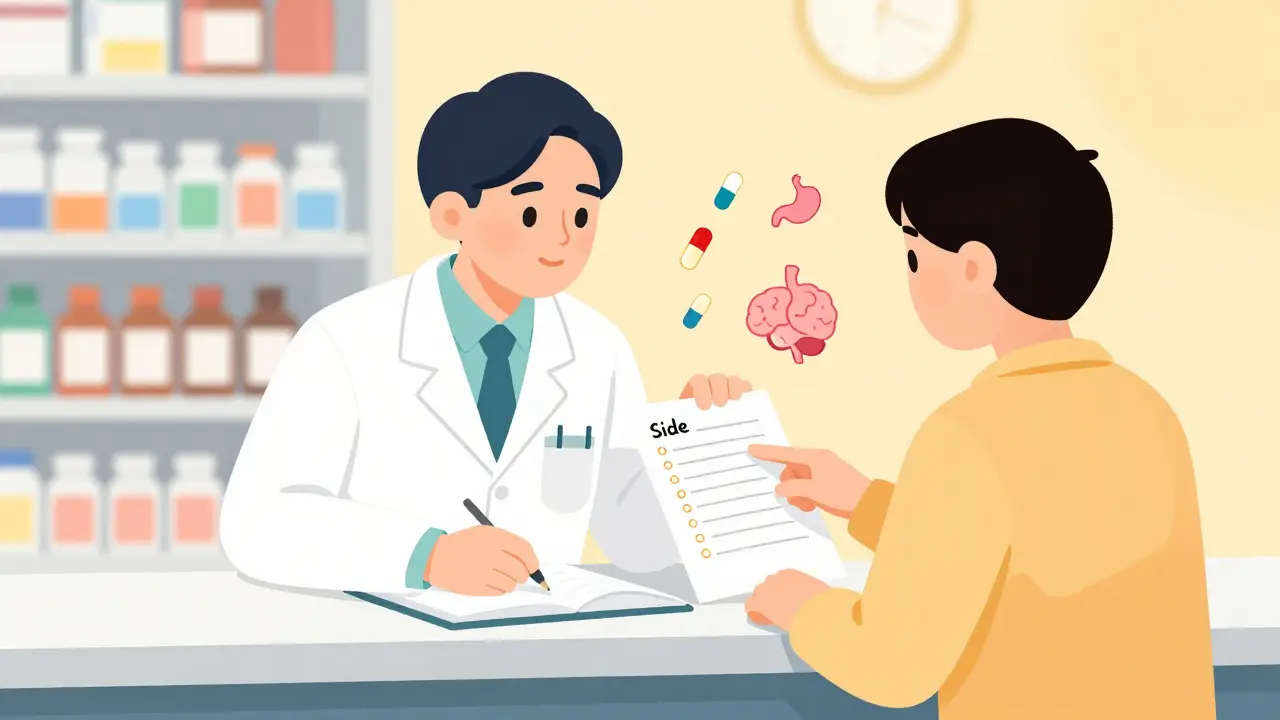
Simple reminders? Phone alarms? Pill boxes? They help-but only a little. The real game-changer is support from someone who understands your experience. Pharmacists, not just doctors, are now leading the charge in improving adherence. And here’s why it works: they ask the right questions.
Instead of saying, “Did you take your pills?” they say, “How have you been feeling since you started this med?” That opens the door. People will tell a pharmacist about the dizziness they didn’t mention to their doctor. They’ll admit they stopped taking it because they were scared of gaining weight. And then, the pharmacist can do something about it.
Here’s what works in practice:
- Face-to-face check-ins-in the pharmacy, at discharge from the hospital, or during a clinic visit-have the highest success rate. One study showed 83% of patients improved adherence after a personal conversation with a pharmacist.
- Medication reviews-where a pharmacist sits down with you and goes through every pill you take-can cut side effects by simplifying regimens. Sometimes, you’re on five pills because different doctors prescribed them. One pharmacist can consolidate that to two.
- Adjusting doses or switching drugs-if a side effect is unbearable, there’s almost always another option. But you have to speak up. A pharmacist can help you talk to your doctor about alternatives without making you feel like you’re complaining.
- Cost transparency-if a pill costs $200 a month and you’re on a fixed income, you’ll skip doses. Pharmacists can find generics, coupons, or patient assistance programs. One study showed that when cost was addressed, adherence jumped by 35% in just 90 days.
Why Doctors Don’t Always Know You’ve Stopped
Here’s a shocking fact: pharmacists are the least likely to document when a patient stops taking their meds. Only 52% of pharmacists record nonadherence in patient files. Doctors do it 70% of the time. Nurses, 85%. That means if you’ve stopped your blood thinner because of bruising, your doctor might not know. And if they don’t know, they can’t help.
Why? Time. Pressure. Lack of training. Many healthcare providers still think adherence is the patient’s job-not theirs. But the data says otherwise. When pharmacists actively track and follow up on side effects, adherence improves by up to 40%. That’s not a small win. That’s life-changing.
And it’s not just about pills. It’s about communication. If your doctor assumes you’re taking your meds because your lab results look okay, they might not ask the right questions. You need to be the one to say: “I’ve been skipping my pills because I get dizzy every time I take them.” That’s the first step to fixing it.
What You Can Do Right Now
You don’t need to be perfect. You just need to be honest-with yourself and your care team.
- Write down your side effects-not just “I feel bad.” Be specific: “Nausea 30 minutes after taking my pill,” or “I can’t sleep after 4 p.m.,” or “My hands shake when I take this.” This helps your pharmacist or doctor find the cause.
- Ask: ‘Is there another option?’-There are often multiple drugs for the same condition. One might cause drowsiness, another might cause dry mouth. You don’t have to suffer through the first one.
- Bring all your meds to your pharmacist-every bottle, every supplement, every OTC pill. They’ll spot interactions you didn’t know about and simplify your routine.
- Request a medication review-many pharmacies offer this for free. It takes 20 minutes. It could save your health.
- Don’t stop cold turkey-especially for blood pressure, antidepressants, or seizure meds. Stopping suddenly can be dangerous. Talk to someone first.
When Side Effects Are Real, But the Med Still Matters
Some side effects fade after a few weeks. The nausea from your antidepressant? It might disappear by day 14. The dizziness from your blood pressure pill? It could settle as your body adjusts. That doesn’t mean you should push through pain or panic. But it does mean you shouldn’t quit too soon.
Ask your pharmacist: “How long should I wait before deciding this isn’t working?” They’ll tell you. Some side effects need time. Others need a switch. You deserve to know the difference.
And remember: taking your meds isn’t about being obedient. It’s about protecting your future self. You’re not just taking a pill. You’re choosing to be around for your kid’s graduation. To walk without pain. To sleep through the night. To feel like yourself again.
The Future: Personalized Help, Not One-Size-Fits-All
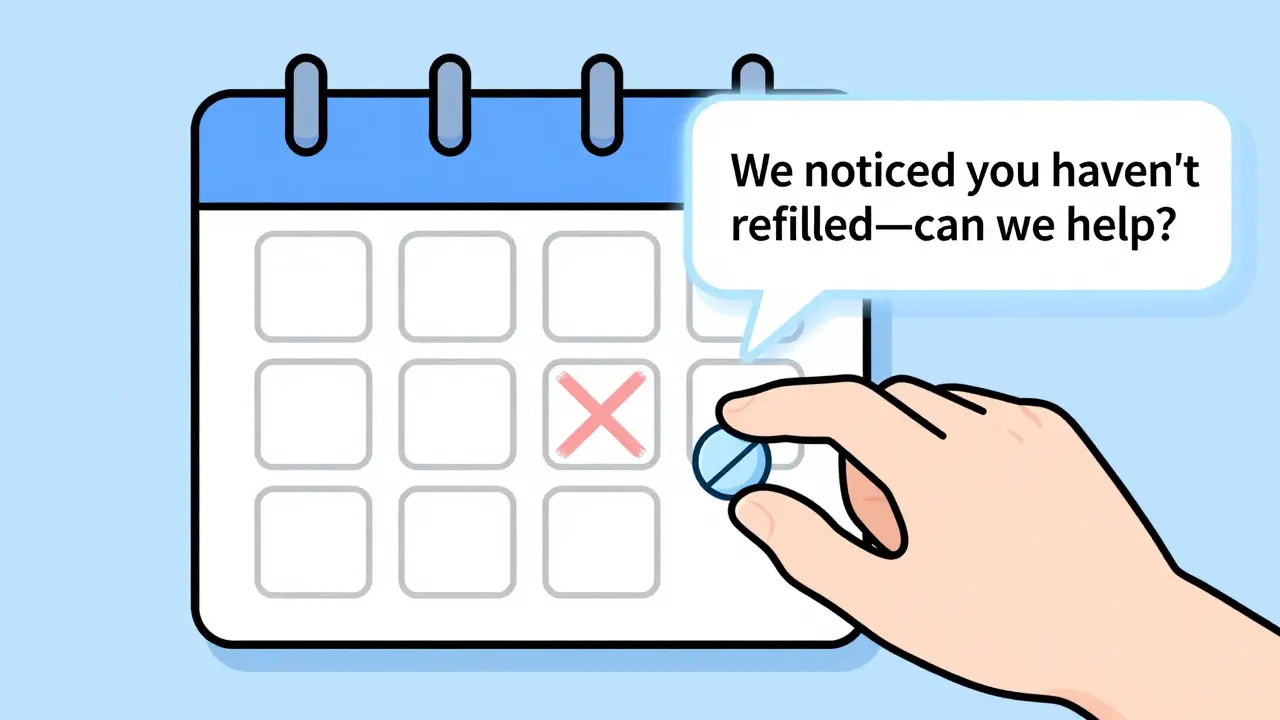
The next wave of adherence support isn’t just pills and reminders. It’s AI-driven tools that predict who’s at risk of stopping-and why. Systems are now being built to flag patients who show early signs of side effect distress: missed refills, increased ER visits, or complaints in digital check-ins. Then, a pharmacist reaches out before things spiral.
Imagine this: you take your pill, and a week later, your phone pings: “Hey, we noticed you haven’t refilled your statin. Are you having muscle soreness? We can help.” That’s not creepy. That’s care.
Health systems in New Zealand and the U.S. are already testing these models. And they’re working. Better outcomes. Fewer hospitalizations. Lower costs. But none of it matters unless you speak up.
You’re not broken. You’re not failing. You’re just caught in a system that still treats adherence like a personal responsibility instead of a shared mission. It’s time to change that. Start by talking to your pharmacist. Not your doctor. Not your family. Your pharmacist. They’re trained for this. They’ve seen it all. And they’re waiting to help.
Why do so many people stop taking their medications even when they know it’s important?
The main reason isn’t forgetfulness-it’s side effects. Nausea, dizziness, fatigue, weight gain, or sexual dysfunction can make people feel worse than they did before starting the medication. Many believe the trade-off isn’t worth it, especially if they don’t feel immediate benefits. Fear of long-term harm or interactions also plays a big role. Without someone to talk to about these concerns, people often stop quietly.
Can side effects from medication be managed without stopping the drug?
Yes, often. Many side effects improve over time as your body adjusts. Others can be reduced by changing the time of day you take the pill, lowering the dose, or switching to a similar but different medication. For example, if a blood pressure drug causes a dry cough, your pharmacist can recommend an alternative class of drugs that doesn’t. Always consult a pharmacist before making changes-never stop cold turkey.
Is it really worth seeing a pharmacist about my medication side effects?
Absolutely. Pharmacists are medication experts trained to spot interactions, simplify regimens, and suggest alternatives. Studies show that patients who work with pharmacists on side effect management see up to a 40% increase in adherence. Many pharmacies offer free medication reviews. It’s a 20-minute conversation that could prevent hospitalization, save money, and help you feel better.
What if I can’t afford my medication?
You’re not alone. Many people skip doses because of cost. Pharmacists can help you find generic versions, manufacturer coupons, or patient assistance programs. Some states and insurance plans offer low-cost or free medications for chronic conditions. Don’t assume you can’t afford it-ask your pharmacist to check. You might be surprised.
How do I know if my side effects are normal or dangerous?
Mild side effects like slight drowsiness, dry mouth, or upset stomach often fade within a few weeks. But if you have chest pain, trouble breathing, swelling, severe dizziness, confusion, or suicidal thoughts, stop the medication and seek help immediately. When in doubt, call your pharmacist. They’re trained to distinguish between common reactions and serious warning signs.
Can I use a pill organizer to help me stay on track?
Pill organizers can help with routine, but they don’t solve the root problem-side effects. If you’re skipping pills because you feel bad, putting them in a box won’t fix that. Use organizers as a tool, not a solution. The real fix is talking to your pharmacist about how you’re feeling and adjusting your plan.
What should I say to my doctor if I want to stop a medication?
Say this: “I’ve been having [specific side effect], and it’s making it hard to take this medication. I still want to manage my condition-can we look at other options?” This keeps the conversation open and solution-focused. Avoid saying “I’m quitting” or “It’s not working.” You’re more likely to get help if you frame it as a shared problem to solve.
Next Steps: Start With One Conversation
You don’t need to fix everything today. Just take one step: next time you pick up a prescription, ask your pharmacist, “What side effects should I expect with this? And what should I do if they’re too much?” That’s it. That’s the beginning of staying on track.
Medication adherence isn’t about willpower. It’s about support. And you deserve that.
Ajay Brahmandam
Been there. Took my blood pressure med for two weeks, felt like a zombie. Stopped. Ended up in the ER. Learned the hard way: talk to your pharmacist before quitting. They don't judge. They just fix things.
jenny guachamboza
lol so now we're telling people to trust pharmacists? 🤡 next they'll say the FDA isn't part of the pharmaceutical cabal. my cousin took a statin and lost her memory-now she thinks she's a 1980s disco dancer. these meds are poison disguised as science. #BigPharmaLies
Aliyu Sani
See, the real issue ain't the side effects-it's the alienation. You're told to swallow a pill like it's a prayer, but nobody asks how it *feels* to carry that weight. We treat adherence like a moral failure, not a systemic collapse. The body remembers trauma, even when it's in capsule form. You don't need a reminder app. You need to be heard.
Gabriella da Silva Mendes
Okay but let’s be real-why are we even letting Big Pharma get away with this? In America, we’re expected to pay $500 for a pill that costs $2 to make, then be *grateful* when it makes us vomit? I’ve seen people in other countries get their meds for free. We’re not broken-we’re being exploited. And now they want us to trust the same people who priced insulin at $300? Nah. Not buying it. 🤬
Kiranjit Kaur
THIS. I was on antidepressants and felt like a ghost. Thought I was weak for wanting to quit. Then I walked into my pharmacy, told the pharmacist I couldn’t sleep or cry or even enjoy coffee anymore-and they didn’t blink. They swapped me out in 10 minutes. Now I’m back to laughing at dumb cat videos. You’re not failing. You’re just waiting for someone to listen. 💛
Sam Black
Pharmacists are the unsung heroes of modern medicine. I used to think they just handed out pills. Turns out they’re part therapist, part detective, part miracle worker. One guy in my town remembers everyone’s meds, their dogs’ names, and whether they took their last refill. He’s the reason I’m still alive. Don’t sleep on the pharmacy counter.
Cara Hritz
Wait so you’re saying if I feel weird after taking a pill I should just go to the pharmacist instead of googling it? But what if the pharmacist is just as clueless as the doctor? I read a Reddit thread where someone said their pharmacist told them to take 4 pills at once because ‘it’s easier’ and they ended up in ICU. I’m not trusting anyone anymore.
Jamison Kissh
There’s a quiet tragedy here: we’ve turned healing into a transaction. You take the pill, you get better. But what if ‘better’ feels like numbness? What if the cure erases your joy? We don’t talk about that. We just say ‘stick with it.’ Maybe the real side effect isn’t the dizziness-it’s the loneliness of being told your suffering doesn’t matter unless it’s measurable.
Tony Du bled
My uncle in Lagos takes his meds with palm wine. No joke. He says it helps the nausea. His doctor doesn’t know. But his local herbalist? He’s the one who told him to cut the dose in half and take it after sunset. Sometimes the system works outside the system. Just saying.
Kathryn Weymouth
It’s worth noting that medication nonadherence disproportionately affects low-income populations, elderly patients, and those with limited health literacy. Structural barriers-transportation, language, time off work-are often the real culprits, not laziness or fear. The solution isn’t just better communication-it’s better access.
Nader Bsyouni
So we're supposed to trust pharmacists now? The same people who sell you cough syrup next to energy drinks and vape pens? This is a cult of pharmaceutical cheerleaders masquerading as healthcare. You think they care about you? They care about refill rates. The real fix? Stop taking pills. Let your body heal. Nature knows best.
Julie Chavassieux
I stopped my antidepressants after 3 days. I cried for 17 hours straight. Then I cried some more. Then I cried because I couldn’t cry anymore. My mom said I was being dramatic. My doctor said I was ‘noncompliant.’ My pharmacist? She handed me a tissue and said ‘Tell me what you’re feeling.’ That’s the only thing that saved me. I’m alive because someone listened. Not because I took the pill.
Herman Rousseau
Look-I’ve been on 7 different meds in 5 years. Some worked. Some made me want to jump out a window. But every time I walked into the pharmacy and said ‘I can’t do this anymore,’ they didn’t roll their eyes. They asked ‘what’s the worst part?’ and then we fixed it. You’re not weak for struggling. You’re brave for still showing up. And your pharmacist? They’re your secret weapon. Use them.
Vikrant Sura
Let’s be honest-half of these ‘side effects’ are just people being dramatic. If you can’t handle a little dizziness, maybe you shouldn’t be on meds at all. This whole article reads like a pity party. Take the pill. Get over it. Your health isn’t a personality trait.