Statins Risk Assessment Tool
Personalized Risk Assessment
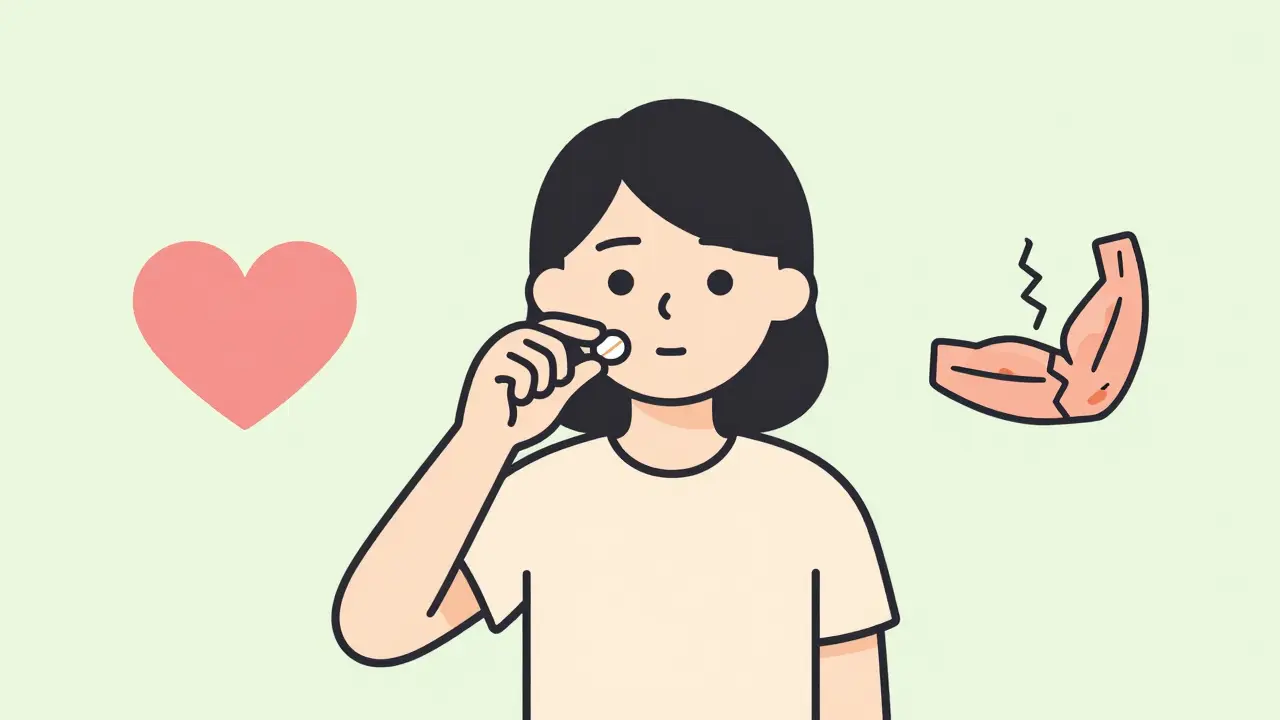
This tool estimates your risk of developing rhabdomyolysis (severe muscle breakdown) while taking statins, based on key factors from medical research.
Every year, millions take statins to prevent heart attacks. But a rare side effect called rhabdomyolysis a condition where skeletal muscles break down rapidly, releasing myoglobin into the bloodstream can cause serious muscle damage. This happens when muscles break down quickly, spilling myoglobin into your blood. Myoglobin can clog kidneys, leading to kidney failure or even death. While scary, it’s extremely rare-only about 1.5 to 5 cases per 100,000 people taking statins each year. Let’s break down what you need to know.
How do statins cause muscle breakdown?
Statins block a pathway called mevalonate, which makes cholesterol. But this same pathway also produces other vital compounds like coenzyme Q10 (CoQ10), which helps muscles produce energy. When CoQ10 drops, muscle cells struggle. Research shows taking 80 mg of simvastatin daily can reduce muscle CoQ10 levels by 40% compared to placebo. Statins also affect muscle cell membranes. A 2005 study in Arteriosclerosis, Thrombosis, and Vascular Biology found they can make membranes unstable during exercise, triggering muscle damage. Plus, statins activate the ubiquitin-proteasome system, which breaks down muscle proteins. This system increases atrogin-1 levels, a key gene linked to muscle wasting.
How rare is rhabdomyolysis?
True rhabdomyolysis is very uncommon. The FDA reports only 1.5 to 5 cases per 100,000 statin users yearly. However, milder muscle pain or weakness (called statin-associated muscle symptoms) affects 5-29% of people, depending on the study. The SEARCH trial showed high-dose simvastatin (80 mg) increased myopathy risk 10.6 times compared to 20 mg (0.87% vs. 0.08% per year). The FDA’s Adverse Event Reporting System (FAERS) recorded 1,842 rhabdomyolysis cases between 2010-2020, with 62% in women and 78% in people over 65. On PatientsLikeMe, 1,247 statin users reported muscle symptoms, with 78% noticing issues within the first 3 months.
Who’s at higher risk?
Several factors increase your risk. Age matters: people over 65 are more vulnerable. Women also face higher risk than men. Genetics play a big role. The SLCO1B1 gene controls how your liver processes statins. A specific variation (c.521T>C) can spike statin levels in your blood by up to 221%. People with two copies of this gene variant have a 4.5 times higher risk of muscle problems. Drug interactions are another major factor. Taking simvastatin with clarithromycin (an antibiotic) can raise simvastatin levels 10-fold. Atorvastatin with colchicine also increases danger. Higher statin doses (like 80 mg simvastatin) and certain health conditions like kidney disease or diabetes also raise risk.
Symptoms to watch for
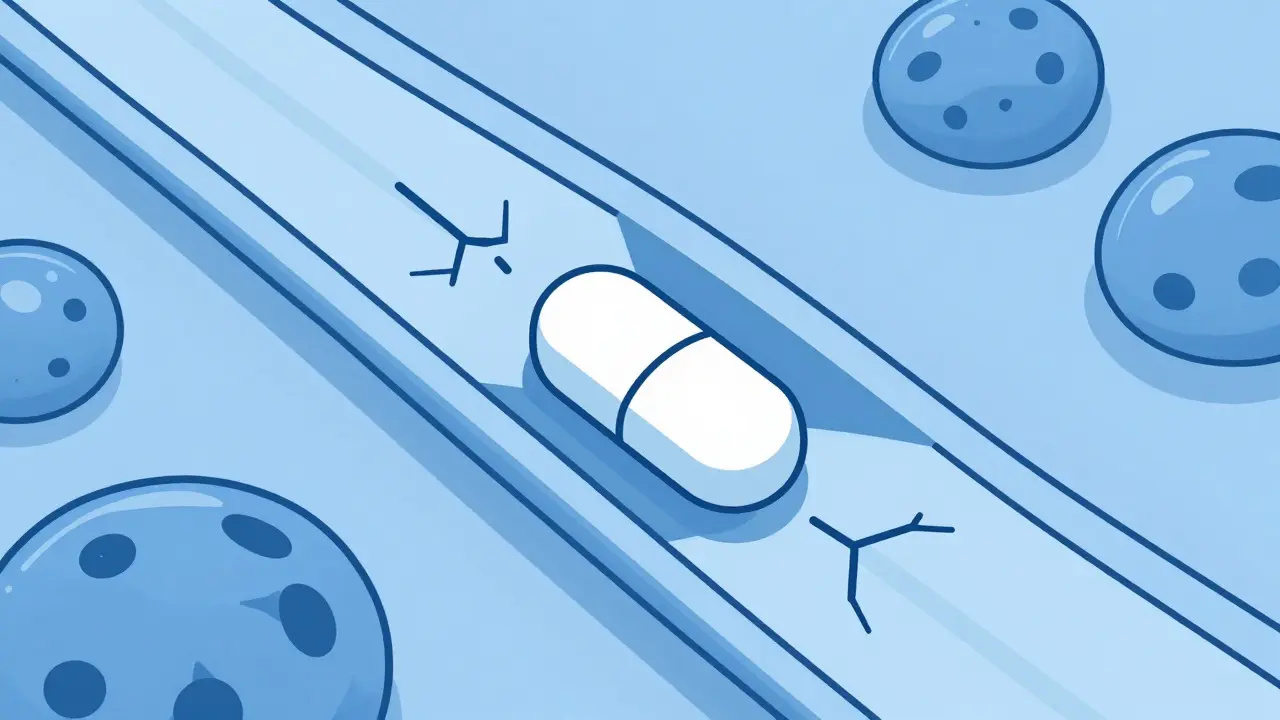
Rhabdomyolysis symptoms often start suddenly. Most people feel severe muscle pain, weakness, and fatigue. Dark urine-like cola or tea-is a key sign, meaning myoglobin is leaking into your kidneys. Some experience nausea, vomiting, or confusion. Physical therapists note many patients report "crushing leg pain after moderate hiking" or "inability to climb stairs". Symptoms usually appear within the first 3 months of starting a statin or changing doses. If you notice these signs, stop taking statins and contact your doctor immediately. Ignoring them can lead to kidney failure.
What to do if symptoms occur
Early action is critical. If you suspect rhabdomyolysis, get a blood test for creatine kinase (CK) levels. Levels over 10 times the normal range mean you should stop statins right away. For confirmed rhabdomyolysis (CK >10,000 IU/L with dark urine), drink plenty of water to flush kidneys and seek emergency care. Nephrology consultation is needed if creatinine levels rise by 0.5 mg/dL or more. Physical therapists recommend a "Statin Myopathy Assessment Protocol" that includes manual muscle testing and mobility checks. Avoid intense exercise until cleared by your doctor. If you have muscle pain but no dark urine, your doctor might check CK levels and adjust your statin dose or switch to a lower-risk statin like pravastatin.

Why statins are still worth taking
Despite the rare risk, statins save lives. The American Heart Association estimates they prevent 500,000 heart attacks and strokes yearly in the U.S. For most people, the benefits far outweigh the risks. A 2019 study in Circulation: Cardiovascular Quality and Outcomes found muscle side effects cause 75% of statin discontinuations, but many of these cases aren’t true intolerance. The American College of Cardiology notes 78% of patients who think they’re statin intolerant can restart therapy safely with proper management. For high-risk heart patients, stopping statins increases heart attack risk by 40%. The European Atherosclerosis Society confirms the risk-benefit ratio remains strongly positive for appropriate patients.
Practical tips for safe statin use
Here’s how to stay safe:
- Avoid certain medications: Never take simvastatin with clarithromycin or atorvastatin with colchicine. Check all prescriptions with your pharmacist.
- Exercise wisely: Stick to moderate activities like walking or swimming. Avoid downhill running or heavy weightlifting, which stress muscles.
- Get genetic testing: If you have muscle pain, ask about SLCO1B1 testing. Services like OneOme RightMed cost $249 and can identify high-risk variants.
- Monitor symptoms: Report muscle pain or dark urine to your doctor immediately-don’t wait.
- Choose lower-risk statins: Pravastatin or fluvastatin have fewer drug interactions and lower myotoxicity than simvastatin or atorvastatin.
| Statin | Risk Level | Key Notes |
|---|---|---|
| Simvastatin (80 mg) | High | FDA warning in 2011; highest myopathy risk |
| Atorvastatin | Moderate | Risk increases with CYP3A4 inhibitors like clarithromycin |
| Pravastatin | Low | Less affected by drug interactions; safer for older adults |
| Fluvastatin | Low | Lower myotoxicity; minimal CoQ10 depletion |
Future developments
Researchers are working on better solutions. The STOMP trial (2023) identified 17 blood proteins that predict statin myopathy risk with 89% accuracy. The CPIC guidelines now recommend lower simvastatin doses (≤20 mg) for people with high-risk SLCO1B1 genes. New "muscle-sparing" statins are in early trials, aiming to keep cholesterol-lowering benefits without muscle damage. Meanwhile, the American College of Cardiology’s Statin Safety Task Force emphasizes distinguishing true intolerance from placebo effects-helping more people safely stay on life-saving therapy.
How common is rhabdomyolysis from statins?
It’s very rare-about 1.5 to 5 cases per 100,000 people taking statins each year. However, milder muscle symptoms like pain or weakness affect 5-29% of patients. Serious rhabdomyolysis leading to kidney failure or death is extremely uncommon.
What are the symptoms of rhabdomyolysis?
Symptoms include severe muscle pain, weakness, dark urine (like cola), nausea, vomiting, or confusion. Many patients report crushing leg pain after light exercise, such as hiking or climbing stairs. If you notice these signs, stop statins and contact your doctor immediately.
Can I take statins if I have muscle pain?
Not necessarily. Mild muscle pain might be unrelated to statins. Get your creatine kinase (CK) levels checked. If CK is normal, your doctor might adjust your dose or switch statins. If CK is high (over 10 times normal), stop statins immediately. Many people who think they’re statin intolerant can safely restart therapy with proper management.
Which statin has the lowest risk of muscle problems?
Pravastatin and fluvastatin have the lowest risk. They’re less affected by drug interactions and cause less CoQ10 depletion. Simvastatin (especially at 80 mg) carries the highest risk. The FDA warned in 2011 about high-dose simvastatin due to increased myopathy. Always discuss alternatives with your doctor based on your health needs.
Should I get genetic testing before taking statins?
Not routinely, but it helps if you have muscle symptoms or family history of statin intolerance. The SLCO1B1 gene test (like OneOme RightMed) costs $249 and can identify high-risk variants. Homozygous carriers of the c.521T>C variant have a 4.5 times higher risk of muscle problems. CPIC guidelines recommend lower simvastatin doses (≤20 mg) for these patients. Insurance usually covers testing only for high-risk cases.
anjar maike
Rhabdomyolysis from statins is rare but serious 😬
Cole Streeper
Big Pharma is hiding the real risks. Statins are killing people and they don't care. Trust me, I've researched this 😡
Arjun Paul
Most muscle issues from statins are due to drug interactions. Not the statins themselves. Follow medical advice.
divya shetty
It is imperative to consult healthcare providers before discontinuing statins. Self-diagnosis is dangerous.
Nancy Maneely
OMG I'm so scared! My legs hurt after walking. It must be the statins 😭
Thorben Westerhuys
I agree with Cole! The FDA is corrupt. They don't want us to know the truth! 😭
Laissa Peixoto
It's important to understand that while rhabdomyolysis is a serious condition, it's extremely rare with statins.
The benefits of statins in preventing heart attacks and strokes far outweigh the risks for most people.
Many patients who stop statins due to muscle pain are actually experiencing placebo effects or unrelated issues.
Genetic testing for SLCO1B1 can help identify those at higher risk, but it's not necessary for everyone.
The key is to communicate with your doctor about any symptoms.
Don't panic, but also don't ignore persistent muscle pain.
Regular check-ups and monitoring CK levels can catch issues early.
Most cases of muscle symptoms aren't rhabdomyolysis but rather statin-associated muscle symptoms, which can often be managed by adjusting the dose or switching statins.
For example, pravastatin or fluvastatin have lower risks of muscle issues.
It's also crucial to avoid certain medications that interact with statins, like clarithromycin.
Always consult your pharmacist about potential drug interactions.
Remember, the data shows that for high-risk patients, the benefits of statins are massive.
Stopping them without medical advice can increase heart attack risk by 40%.
So, stay informed but don't let fear stop you from life-saving treatment.
Always work with your healthcare team to find the best solution for your individual needs.
Kate Gile
It's good to know the facts. Statins save lives, but we should all be informed about the risks.