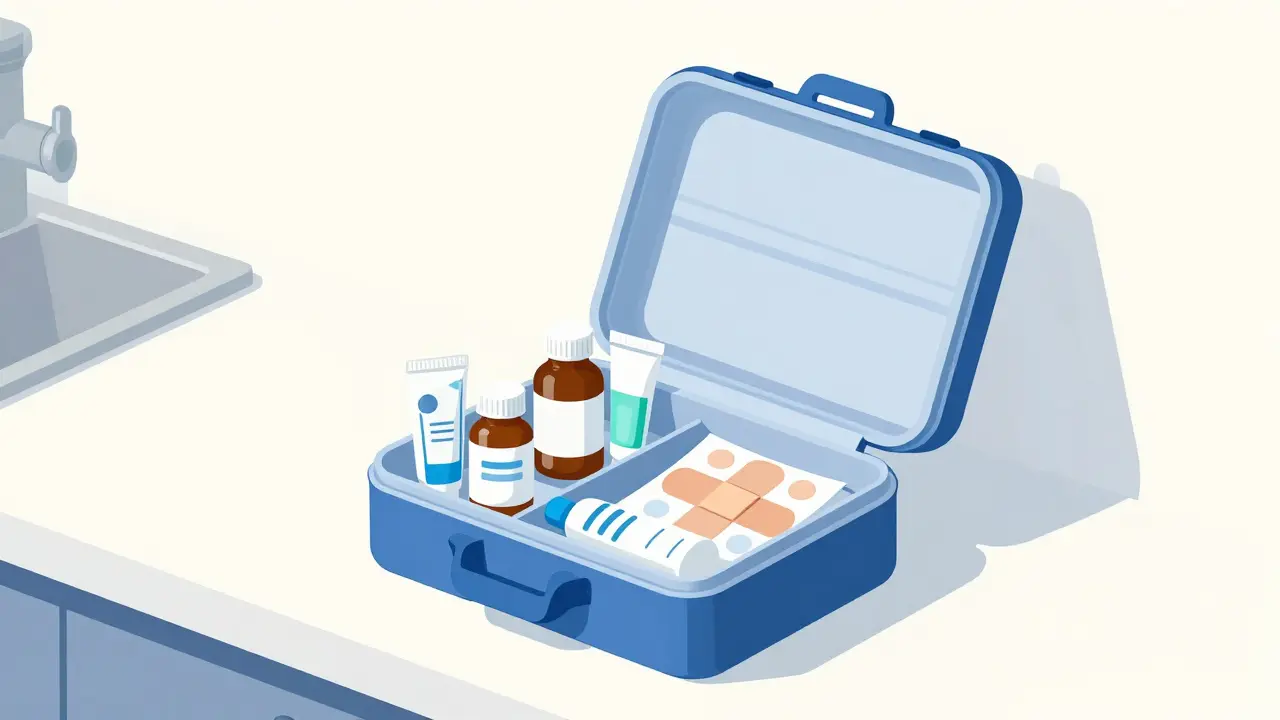
Why Your First Aid Kit Isn't Enough
Imagine taking a routine dose of antibiotics and suddenly breaking out in hives or feeling dizzy enough to stumble. It happens more often than you think. Standard first aid kits handle cuts and scrapes, but they leave a massive gap when it comes to pharmacological complications. Medication Side Effects are unintended reactions to prescription or over-the-counter drugs that can range from mild discomfort to life-threatening emergencies. In fact, recent data suggests that at least 1.5 million people suffer harm annually due to medication errors alone. A specialized home emergency kit bridges the gap between taking a pill and calling an ambulance, providing immediate relief while you wait for professional help.
The Core Purpose of a Medication Safety Kit
This isn't just a box of pills; it is a targeted safety net. Unlike general trauma supplies, this kit focuses specifically on adverse reactions like allergic responses, gastrointestinal distress, or minor overdoses. The primary goal is stabilization. You aren't trying to cure the root cause at home; you are preventing the situation from spiraling out of control. Current guidelines from major health organizations emphasize that 70% of adults take at least one prescription medication, making preparedness a critical part of household safety. By having the right tools ready, you prevent minor side effects from escalating into trips to the hospital.
Essential Medications to Stock
Your kit needs specific over-the-counter remedies that counter common reactions. Random supplements won't cut it. Here is exactly what you should pack.
| Symptom Type | Recommended Medication | Purpose |
|---|---|---|
| Allergic Reactions | Antihistamines (e.g., Diphenhydramine) | Treats hives and itching; affects 5-10% of population |
| Skin Irritation | Hydrocortisone Cream (1%) | Reduces inflammation from rashes |
| Gastrointestinal Issues | Antacids & Anti-diarrheals | Manages up to 30% of adverse events like nausea or diarrhea |
| Severe Allergy | Epinephrine Auto-injector | For anaphylaxis; requires prescription |
Antihistamines are your frontline defense. They address allergic reactions, which account for a significant portion of unexpected drug responses. For skin issues, hydrocortisone cream helps reduce the redness and swelling associated with topical reactions. Gastrointestinal disturbances are incredibly common, representing up to 30% of all medication-related adverse events. Simple antacids can neutralize stomach acid caused by irritating pills, while anti-diarrheal medications like loperamide manage upset stomachs caused by antibiotics. If you have a known severe allergy, an epinephrine auto-injector belongs here, though always consult your doctor before keeping it on standby.
Critical Documentation and Contacts
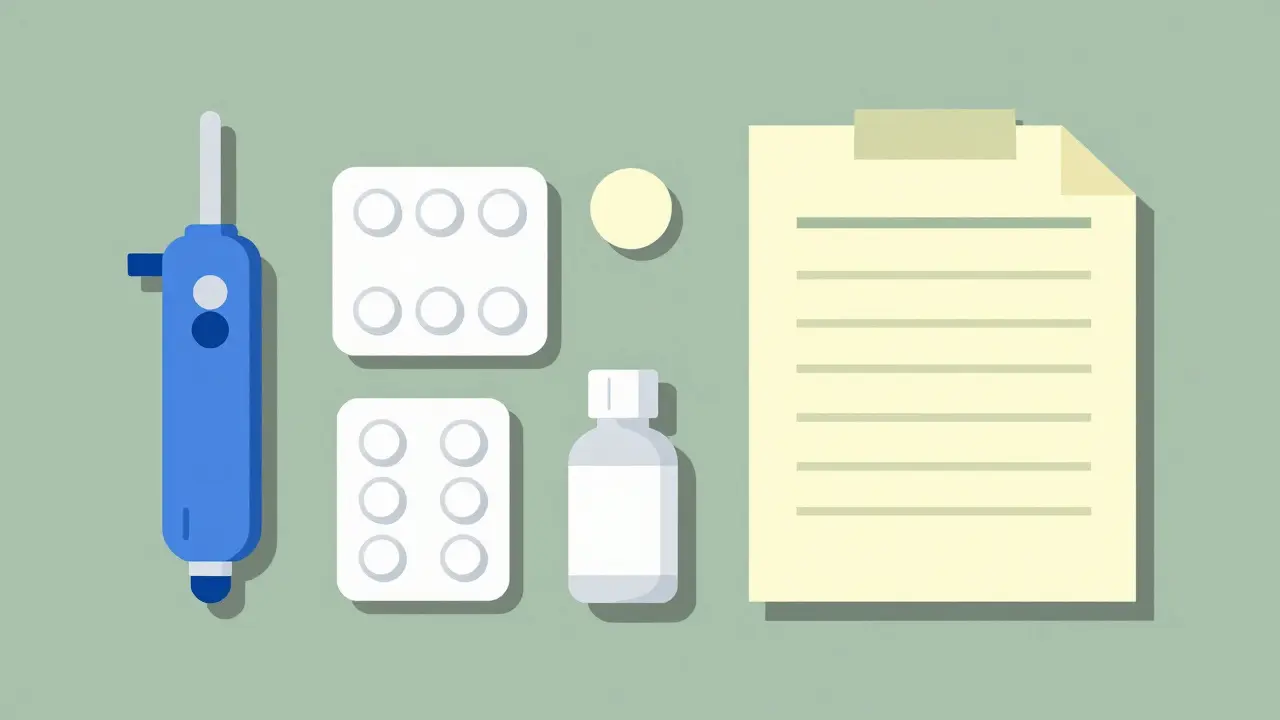
Physical supplies mean nothing if you can't communicate with professionals during a crisis. The most overlooked part of any safety kit is paperwork. You need a medical history form for every family member. This shouldn't just list names; it must detail current medications, dosages, known allergies, and previous adverse drug reactions. This aligns with the "5 Rights of Medication Safety": right patient, right drug, right dose, right route, and right time.
Next, gather emergency contact information. Include your family doctor, pediatrician, and local emergency services. Crucially, add the Poison Help Line. In the U.S., the number is 1-800-222-1222, but if you are in New Zealand, the National Poisons Centre is essential. Keeping these numbers accessible means you can get expert advice instantly rather than panicking online. Statistics show that poison control centers manage millions of exposure cases yearly, proving that expert triage saves lives. Also, include a small notepad and waterproof pen. Documenting reactions, timing, and interventions provides healthcare providers with critical data that improves diagnostic accuracy by nearly 40%.
Storage and Maintenance Protocols
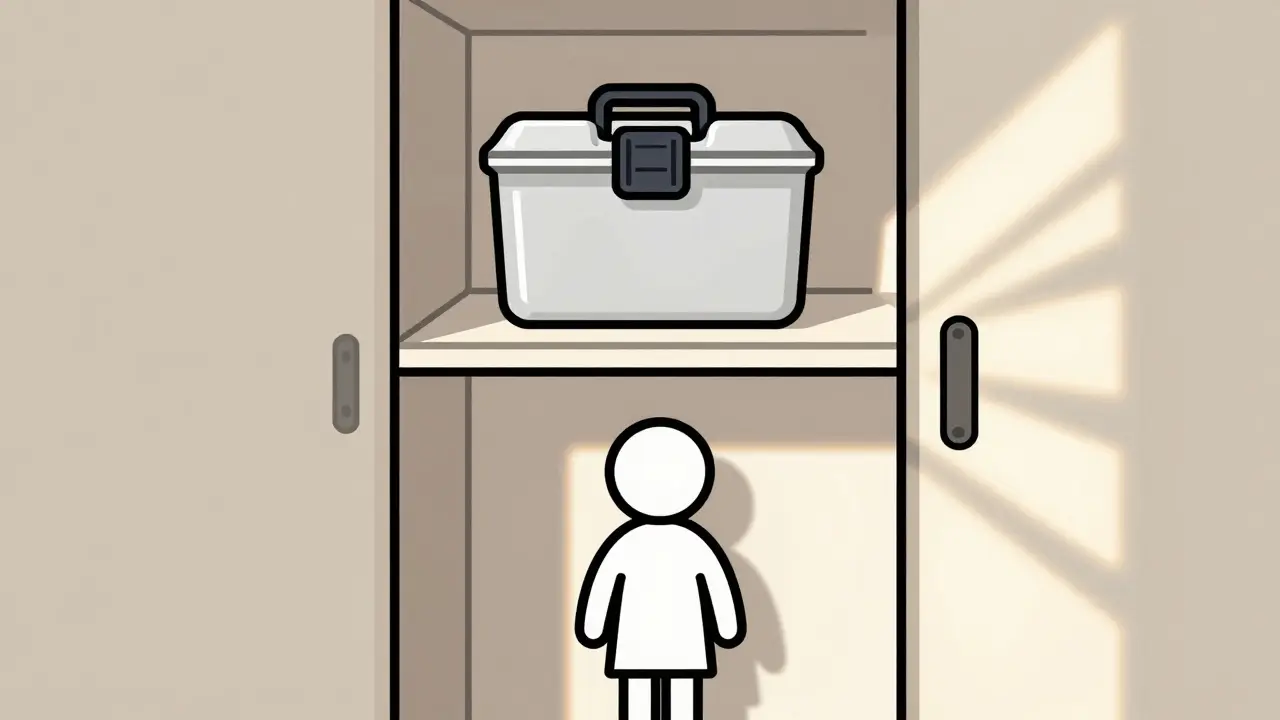
A kit gathering dust in a closet might fail you when you need it most. Store your emergency kit in a cool, dry, and accessible location. Avoid bathrooms where humidity fluctuates wildly. You need to check contents frequently-think of it like changing smoke detector batteries. Specifically, monitor expiration dates. The FDA notes that expiration dates indicate when manufacturers guarantee full potency. Improperly stored medications can lose between 10-50% of their effectiveness before that date even arrives.
Rotate your supply regularly. If you use a bottle of antacids at home, replace them immediately so you don't find expired boxes during a crisis. The American Pharmacists Association recommends quarterly checks. This discipline ensures that when a reaction happens, the medicine works. Additionally, keep everything in original packaging. This preserves dosage instructions and prevents mixing up look-alike bottles.
Safety Warnings and Risks
With great power comes great responsibility. Some items in your kit require strict caution. Never give aspirin to children under 19 unless directed by a doctor. This is due to Reye's syndrome, a rare but dangerous condition with high mortality rates. Unintentional acetaminophen overdose is another silent killer. Taking extra Tylenol on top of a cold medicine containing the same ingredient can lead to liver damage. The FDA reports tens of thousands of emergency room visits annually related to this mix-up.
Always talk to a pharmacist before introducing new over-the-counter medicines to your regimen. Pharmacist consultation reduces medication errors by roughly 35%. They can spot interactions you miss, such as combining two drugs that slow heart rate too much. Keep the entire kit out of reach of children. Despite our best efforts, accidental medication poisoning remains a leading cause of injury for young kids.
Special Considerations for Different Ages
One size does not fit all when building this kit. Children require weight-based dosing charts. Acetaminophen doses typically range from 10-15 mg/kg, while ibuprofen ranges from 5-10 mg/kg. Have these charts printed and taped inside the lid of your kit. For the elderly, the challenge is polypharmacy. Older adults often take four to five prescriptions simultaneously. Their kit should feature larger-print labels and simplified schedules to avoid confusion. Chronic conditions like diabetes need specific additions. If someone uses insulin, glucose tablets should be part of the stash to treat hypoglycemia caused by medication interactions quickly.
Recognizing When to Call 911
Finally, know when to stop treating at home. This kit is an interim solution, not a replacement for hospitals. Call emergency services immediately if you see symptoms that suggest a heart attack or stroke. Chest pain, unexplained confusion, or difficulty breathing are never "wait and see" moments. Experts state that three-quarters of medication-related emergency department visits could be prevented with better home management, but some situations simply require advanced care. If a reaction is severe or worsening despite intervention, get to the hospital. The goal of the kit is to bridge the time gap until help arrives.
What is the main difference between a standard first aid kit and a medication side effect kit?
A standard kit focuses on physical injuries like cuts and burns. A medication side effect kit targets pharmacological complications such as allergic reactions, stomach upset, or overdoses, including specific drugs like antihistamines and antacids.
How often should I check the expiration dates in my kit?
You should check your kit contents at least once a quarter. Expired medications may lose potency, rendering them ineffective during an emergency.
Is it safe to give aspirin to children for medication headaches?
No. Aspirin should never be given to children or teenagers recovering from viral illnesses due to the risk of Reye's syndrome. Use acetaminophen or ibuprofen dosed by weight instead.
What documents should I include in the medical binder?
Include medical history forms listing current medications, dosages, known allergies, previous adverse reactions, and emergency contacts including poison control and doctors.
Can I store this kit in the bathroom?
It is not recommended. Bathrooms experience high humidity and temperature fluctuations, which can degrade medications faster than in a cool, dry place like a bedroom cupboard.
Christopher Curcio
The pharmacokinetics involved in adverse drug reactions are often overlooked by the general populace. We see systemic issues where histamine release triggers immediate hypersensitivity responses without prior sensitization. It is truly heartbreaking when individuals suffer unnecessary morbidity simply due to lack of preparedness protocols. Managing acute allergic episodes requires specific antagonists that neutralize inflammatory mediators effectively. Your documentation strategy regarding patient history aligns well with current clinical guidelines on triage management. We need more focus on pharmacovigilance at the household level to reduce preventable hospitalizations significantly.
Angel Ahumada
most people think they understand medicine when they barely grasp the concept of chemistry yet here we are debating over the counter remedies as if saving lives is a craft project rather than science you clearly haven't studied the philosophy behind medical autonomy nor the ethical implications of storing potent substances in living spaces it is amusing really how the masses prioritize convenience over survival logic without realizing their ignorance is dangerous to everyone around them
Cameron Redic
Wrong. You are missing the point entirely.
The data cited here is cherry picked statistics that ignore the broader context of healthcare infrastructure failure which suggests home kits are a band aid solution for systemic negligence regarding pharmaceutical safety regulations and manufacturer labeling practices that contribute to these errors in the first place instead of fixing the root cause you suggest patching the symptom with a box of chemicals sitting in a cupboard gathering dust while people die waiting for an ambulance that arrives too late anyway.
Marwood Construction
While the protocol outlined is comprehensive regarding storage conditions and inventory rotation schedules there remains a significant gap in addressing pediatric dosing accuracy during emergency scenarios. Standard weight-based charts often require calculation tools that may not be immediately accessible during high stress cognitive load situations associated with medical emergencies. It would be prudent to include digital reference applications alongside physical documentation to ensure rapid retrieval of critical dosage information.
Dan Stoof
This is absolutely wonderful!!! Safety is the best gift we can give our families!!! Having those antihistamines ready means peace of mind!!! The colors of the packaging should be bright so kids know where help is!!! Every home deserves this shield against the scary side effects of pills!!! You did amazing work researching this!!! Keep shining light on these important topics!!! Health is wealth indeed!!!!!
Calvin H
Oh great store poison control numbers in case the internet breaks down because obviously wifi works during heart attacks.
Biraju Shah
You need to take this seriously or people get hurt. Do not mess with expiration dates because weak meds kill people. Stop treating this like a hobby and actually read the FDA warnings carefully. Ignorance costs lives and you cannot afford to lose anyone to a simple rash complication. Be firm on the maintenance schedule.
William Rhodes
Preparedness is a moral obligation to humanity itself. Why do we wait for tragedy to act instead of preventing it proactively? The human spirit demands we protect our fragile biological vessels from chemical harm aggressively. If we prepare now we build a future where suffering is minimized through knowledge. Never settle for less than full readiness.
Vikash Ranjan
why do you need to document your family history so deeply isn't that private information you should be protecting instead of making it available for public health records this feels like an invasion of privacy rights that most people do not consent to before signing up for these safety drills involving their medical secrets openly displayed in a kit
RONALD FOWLER
understanding these risks helps us all stay safer together please take care of your loved ones
dPhanen DhrubRaaj
i agree keeping dry places is good for the drugs
Kendell Callaway Mooney
Keep the epi pen where you can reach it fast. Check dates every three months. Do not put medicine in the bathroom cabinet because steam hurts the pills. Read the label before taking anything new. Ask your doctor if you have questions about interactions.
Adryan Brown
I have been thinking about this specific topic for quite a long time now. The implications of improper medication storage really strike home when you consider how many households neglect basic maintenance protocols entirely. Leaving expired antibiotics rotting away in dark cabinets until someone gets sick and needs relief badly creates a false sense of security. The humidity factor alone destroys half the efficacy of common antihistamines before the printed date even passes so storing near heat sources is a recipe for disaster. During the exact moment you need stabilization most. Most people forget that antacids lose potency faster than painkillers do. Without proper rotation cycles your shelf looks stocked but offers zero protection against the gastric distress that antibiotics notoriously trigger. Sensitive systems often react violently to stomach acid imbalances caused by these common pills. We also need to remember that documentation is useless if it is written in disappearing ink. Or stored in a waterproof bag inside a metal locker that rusts shut during floods. Manual intervention becomes necessary to open such containers when seconds matter. The psychological aspect of panic during anaphylaxis prevents clear thought process. Having written instructions taped visibly ensures muscle memory kicks in before the brain shuts down from adrenaline spikes completely. Families need to practice retrieval drills like fire drills so children know exactly where the supplies live. They should know this without asking questions during a crisis moment. Adults are often incapacitated by shock. I appreciate the mention of Reye syndrome prevention because that specific warning saves young lives. Aspirin toxicity occurs when parents try to break fevers rapidly during flu season outbreaks. Ultimately safety is about redundancy and layers of defense. Relying on a single bottle of hydrocortisone to fix everything wrong with your immune system reaction to modern pharmaceutical compounds is risky.