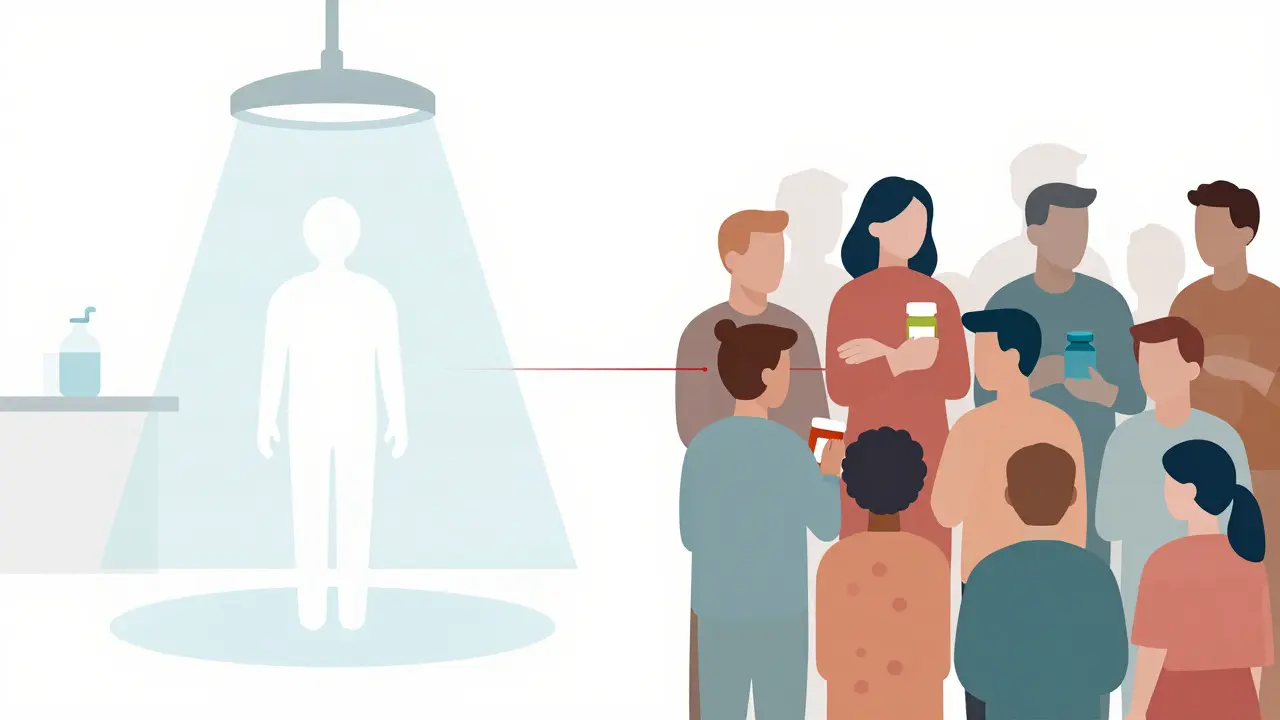
Imagine a medication that passed every test. It worked in the lab. It helped thousands of volunteers in controlled studies. Regulatory agencies gave it a thumbs up. Millions of people start taking it. Then, six months later, doctors notice something strange. A small group of patients is developing a rare side effect that never showed up before. This is not a failure of science; it is how drug safety works in the real world.
We often think clinical trials tell us everything about a drug’s risks. They don’t. They are necessary, but they are limited. The true safety profile of a medicine often emerges only after it hits the market. This process relies on drug safety signals, which are early warnings of potential new causal associations between a drug and an adverse event. Understanding how these signals emerge helps us see why post-market monitoring is just as critical as pre-approval testing.
What Exactly Is a Drug Safety Signal?
A drug safety signal is not a confirmed fact. It is a hypothesis. It is a red flag that says, "Something might be going on here." The Council for International Organizations of Medical Sciences (CIOMS) defines a signal as information suggesting a new potentially causal association between an intervention and an event that is sufficient to justify further investigation.
Think of it like a smoke alarm. When it goes off, there isn’t necessarily a fire. But you check anyway because the cost of ignoring it is too high. In pharmacovigilance, a signal triggers a deeper look into whether a drug is causing harm.
There are two main types of signals:
- Clinical signals: These come from individual case reports. A doctor sees a patient with a rare reaction and reports it. If several similar cases appear, a pattern may emerge.
- Statistical signals: These come from large datasets. Algorithms scan millions of records to find if a specific adverse event is reported more often with Drug A than would be expected by chance.
The European Medicines Agency (EMA) and the U.S. Food and Drug Administration (FDA) use both methods. The goal is simple: catch risks early before they affect many people.
Why Clinical Trials Miss Some Risks
Clinical trials are rigorous, but they are also artificial. They enroll a specific type of person. Usually, these participants are healthy adults without other major health conditions. They take the drug exactly as instructed. They are monitored closely by medical teams.
This setup filters out noise, but it also filters out reality. Here is what trials typically miss:
- Rare events: If a side effect happens in 1 in 10,000 patients, a trial with 3,000 participants is unlikely to see it at all. You need tens or hundreds of thousands of users to spot those outliers.
- Long-term effects: Most trials last months or a few years. They cannot predict problems that develop after five or ten years of use.
- Complex interactions: Trial participants usually take few other medications. Real-world patients often take five or more drugs daily. These combinations can create unexpected reactions.
- Diverse populations: Trials often lack diversity in age, genetics, and ethnicity. A drug might behave differently in elderly patients or those with liver disease, groups that are underrepresented in early studies.
For example, the risk of myocardial infarction linked to rosiglitazone was not clear in initial trials. It emerged only when regulators analyzed data from millions of users across multiple sources. This delay highlights the gap between controlled studies and real-world usage.

How Signals Are Detected in the Real World
Once a drug is approved, the monitoring doesn’t stop. It shifts from active control to passive surveillance and active data mining. Two massive databases drive this process globally: the FDA Adverse Event Reporting System (FAERS) in the U.S. and EudraVigilance in Europe.
FAERS contains over 30 million reports. EudraVigilance processes more than 2.5 million annually. These systems rely heavily on spontaneous reporting. Doctors, patients, and manufacturers submit forms when they suspect a drug caused harm. About 90% of FAERS submissions are spontaneous reports.
But raw data is messy. To find needles in this haystack, regulators use statistical tools. One common method is disproportionality analysis. It calculates a Reporting Odds Ratio (ROR). If the ROR is above a certain threshold (often 2.0) and there are enough cases, it flags a potential signal. Other methods include Bayesian Confidence Propagation Neural Networks (BCPNN), which help reduce false positives by modeling uncertainty.
However, statistics alone aren’t enough. A high ROR could mean the drug causes the issue, or it could mean the drug is popular and people report everything to it. That’s why human experts review every flagged signal. They look for biological plausibility. Does the mechanism of the drug make sense for this side effect? Is there a timeline that fits?
The Challenge of False Alarms
Signal detection is noisy. Experts estimate that 60% to 80% of quantitative signals turn out to be false positives. This creates a significant workload for safety officers. They must investigate every alert to avoid missing a real threat while not panicking over statistical artifacts.
Consider the case of canagliflozin, a diabetes drug. Early data in FAERS suggested a link to lower-limb amputations. The reporting odds ratio was high. Regulators issued warnings. However, a large clinical trial called CREDENCE later showed the absolute risk increase was minimal (0.5%). The initial signal was driven by reporting bias, not a direct causal link.
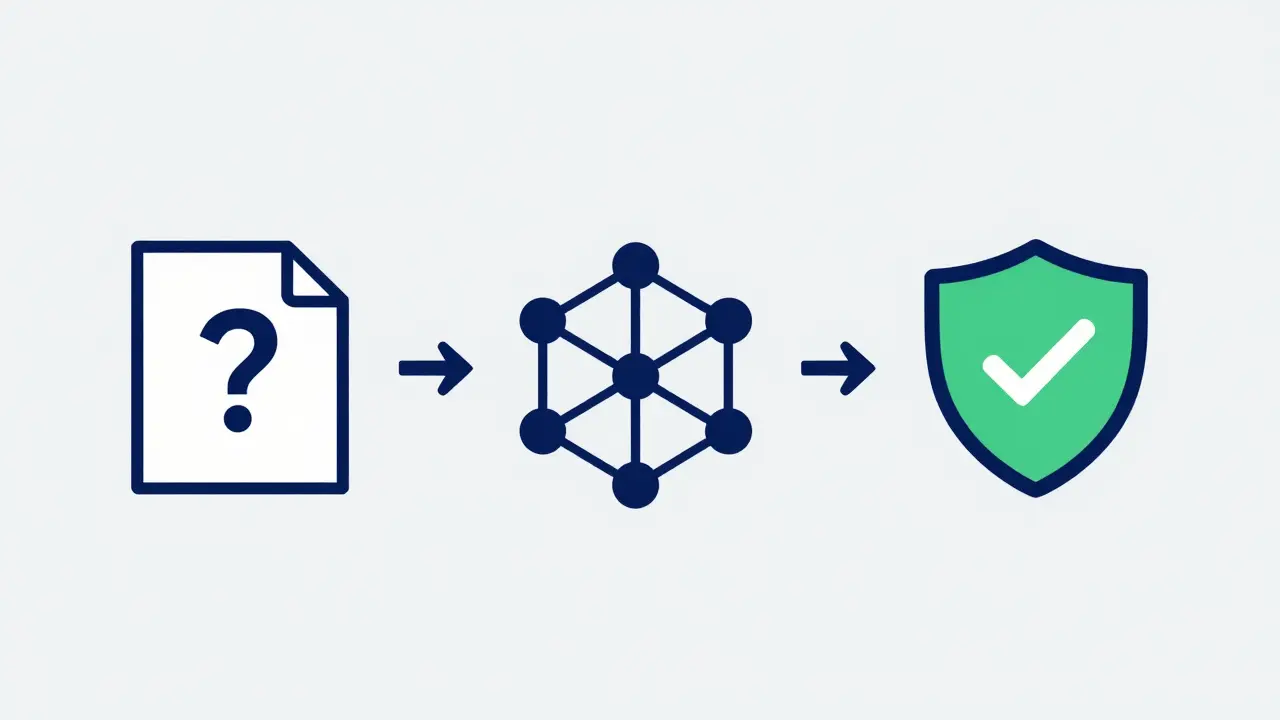
This is why triangulation is key. Experts recommend corroborating a signal across at least three independent data sources. If a signal appears in spontaneous reports, electronic health records, and epidemiological studies, it is much more likely to be real. The FDA’s Sentinel Initiative 2.0 aims to do exactly this by integrating data from 300 million patients across 150 healthcare organizations.
From Signal to Action: What Happens Next?
Not every signal leads to a label change. Only about 10% to 20% of identified signals result in updates to the Prescribing Information (PI). Research shows four factors predict whether a signal will lead to action:
- Replication: Does the signal appear in multiple datasets?
- Plausibility: Is there a known biological mechanism?
- Seriousness: Serious events (like death or hospitalization) trigger faster action than mild ones.
- Drug Age: Newer drugs (under 5 years old) are scrutinized more heavily. Older drugs have established safety profiles, so new signals require stronger evidence.
If a signal is verified, regulators may update the drug label, add a black box warning, restrict prescribing, or, in extreme cases, withdraw the drug from the market. For instance, the identification of ocular surface disease in patients taking dupilumab led to rapid label updates, improving management for ophthalmologists.
The Future of Safety Monitoring
Technology is changing how we detect risks. Artificial intelligence is now used to screen adverse event reports. The EMA implemented AI algorithms in EudraVigilance, cutting signal generation time from 14 days to 48 hours. This speed allows regulators to react faster to emerging threats.
However, challenges remain. Polypharmacy is increasing, especially among elderly patients. With more complex drug combinations, traditional signal detection struggles to isolate the culprit. Additionally, new biologic therapies and digital therapeutics present novel safety profiles that standard models weren’t designed to handle.
The global pharmacovigilance market is growing rapidly, projected to reach $6.8 billion in 2022 with a 12.3% annual growth rate. This investment reflects a shift toward proactive safety management. Companies are no longer just reacting to reports; they are building integrated systems that combine spontaneous reports, electronic health records, and patient-generated data.
As we move forward, the focus will be on reducing latency. The goal is near-real-time detection. The WHO’s Global Pharmacovigilance System now connects 155 member states, creating an unprecedented global safety net. While no system is perfect, the combination of human expertise and advanced analytics offers our best defense against unseen risks.
What is the difference between a side effect and a drug safety signal?
A side effect is a known, documented reaction listed in the drug’s label. A drug safety signal is a new, unconfirmed suspicion that a drug may cause a specific adverse event. A signal requires investigation to determine if it becomes a recognized side effect.
Why can't clinical trials detect all drug risks?
Clinical trials involve limited numbers of participants (usually 1,000-5,000) who are carefully selected and monitored. They often miss rare events, long-term effects, and interactions with other medications that occur in the broader, more diverse general population.
How do regulators verify a drug safety signal?
Regulators use a combination of statistical analysis and clinical review. They look for replication across multiple data sources, assess biological plausibility, evaluate the seriousness of the event, and consider the drug's age. Triangulation using at least three independent data sources is considered best practice.
What is the role of FAERS and EudraVigilance?
FAERS (U.S.) and EudraVigilance (Europe) are large databases that collect adverse event reports from healthcare professionals and patients. They serve as the primary source of data for detecting potential safety signals through spontaneous reporting and statistical screening.
Can a drug safety signal lead to a drug being withdrawn?
Yes. If a signal is verified and the risks outweigh the benefits, regulators may restrict use, update labels, or withdraw the drug entirely. However, most signals result in no action or minor label updates, as many are false positives or represent known risks.