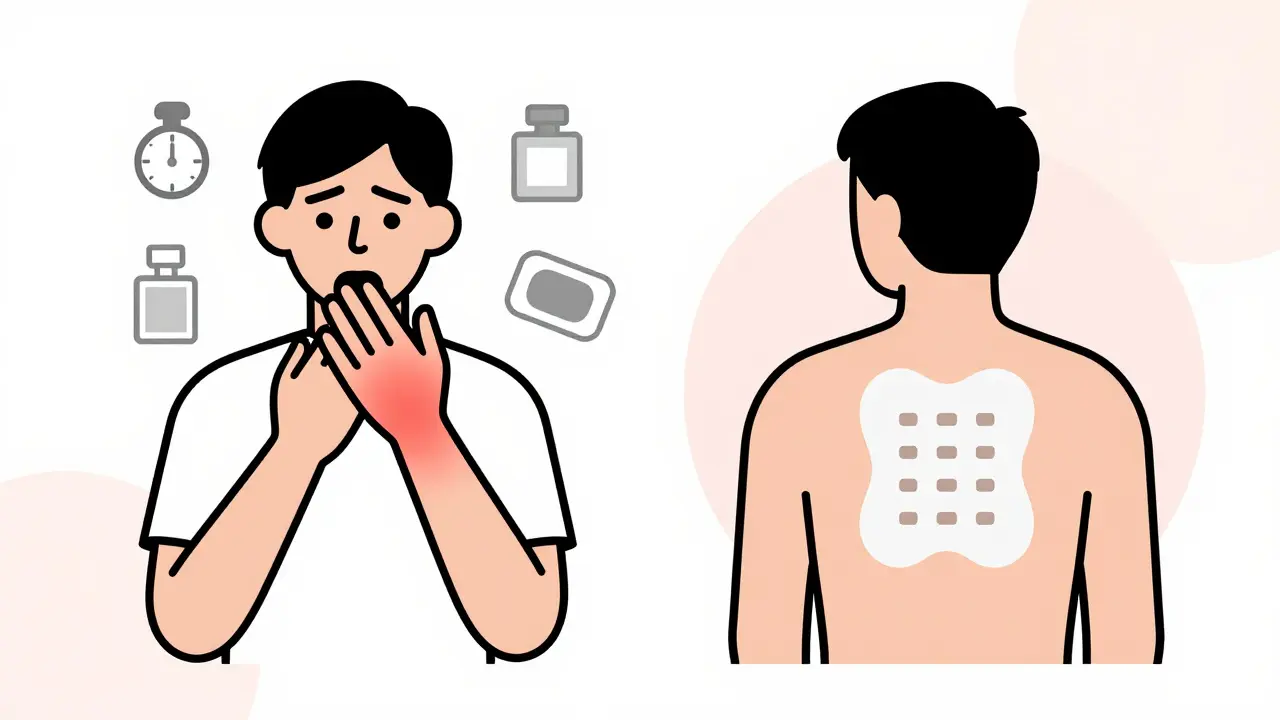
You’ve tried everything. The expensive creams, the gentle soaps, even switching to "hypoallergenic" laundry detergent. Yet your skin still burns, itches, or breaks out in a red rash every time you wear your favorite watch or use that new perfume. It’s frustrating, right? You might not be dealing with simple irritation. You could have allergic contact dermatitis, a delayed immune reaction where your body treats harmless substances like metals or fragrances as dangerous invaders.
The good news is there is a way to find the exact culprit. It’s called patch testing, the gold standard diagnostic procedure for identifying specific contact allergens causing chronic skin inflammation. Unlike blood tests or prick tests, patch testing mimics how you actually come into contact with these triggers-through prolonged skin exposure. According to the American Contact Dermatitis Society (ACDS), patients who successfully avoid their identified allergens see complete symptom clearance in 60-80% of cases. That’s a huge difference from guessing which product is causing the problem.
How Patch Testing Actually Works
Patch testing isn’t a quick five-minute check-up. It’s a process that takes about a week because the type of allergy we are looking for-Type IV hypersensitivity-is slow to react. Your T-cells need time to recognize the allergen and launch an attack on your skin cells.
Here is what the standard protocol looks like, based on guidelines from the North American Contact Dermatitis Group (NACDG):
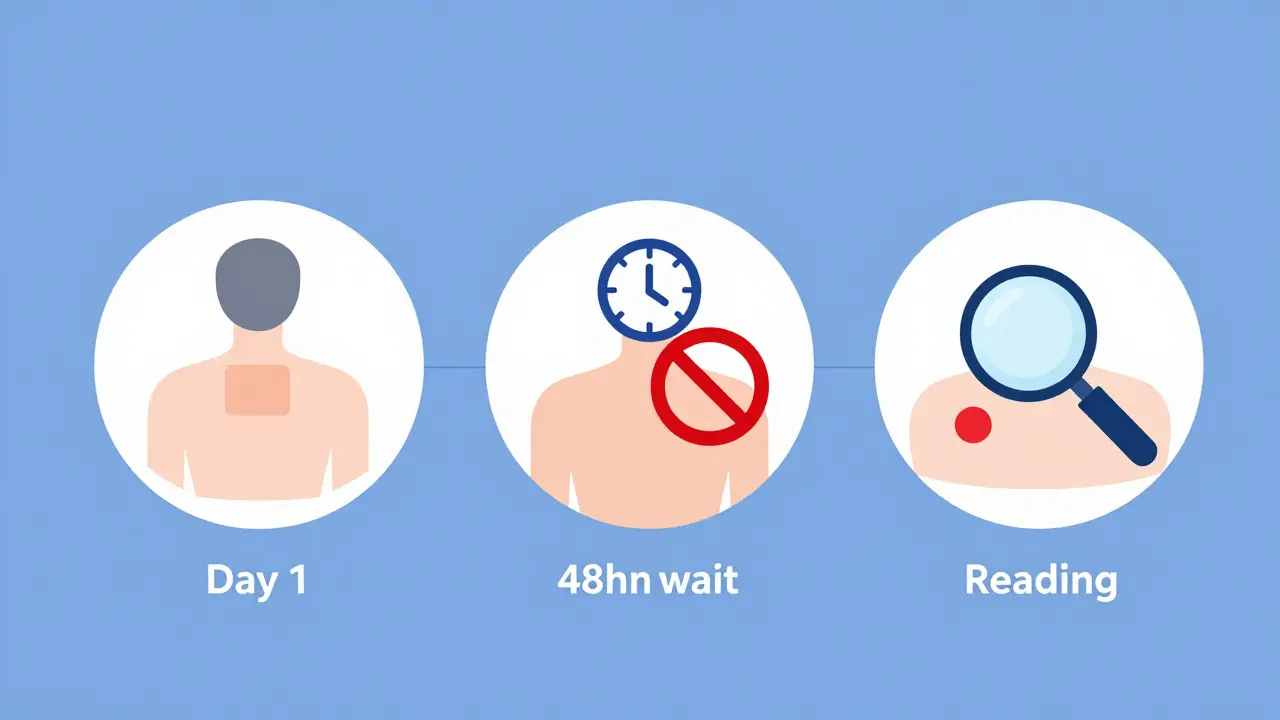
- Application (Day 1): A dermatologist applies small patches containing standardized allergens to your upper back. They use special tape (often Scanpor) to keep them secure. This visit takes about 30-45 minutes.
- Wearing Period (48 Hours): You go home with these patches on your back. For two full days, you cannot shower, swim, or sweat heavily. The goal is to keep the test site dry and intact so the allergen can penetrate the skin properly.
- First Reading (Day 3): You return to the clinic. The doctor removes the patches and checks for immediate reactions. However, many allergies don’t show up yet.
- Final Reading (Day 4 or 5): This is crucial. Most true allergic reactions appear between 72 and 96 hours after application. Sometimes, doctors do a third reading at 168 hours to catch very slow responders.
During the readings, the doctor grades the reaction using a standardized scale:
- (−) Negative: No reaction.
- (+) Doubtful: Slight redness only.
- (++) Weak Positive: Redness, swelling, and tiny bumps.
- (+++) Strong Positive: Significant swelling, blisters, and intense itching.
It sounds simple, but it requires patience. About 15% of patients accidentally remove the patches early because they itch or feel uncomfortable, which ruins the results. If you’re planning to get tested, commit to keeping those patches dry and undisturbed.
Metals: The Silent Skin Irritants
When people think of contact allergies, they often think of poison ivy. But metal allergies are incredibly common and often more insidious because the sources are everywhere. Nickel is the most frequent offender, found in 18.5% of tested patients according to recent NACDG data.
Where does nickel hide? Think about what touches your skin all day long:
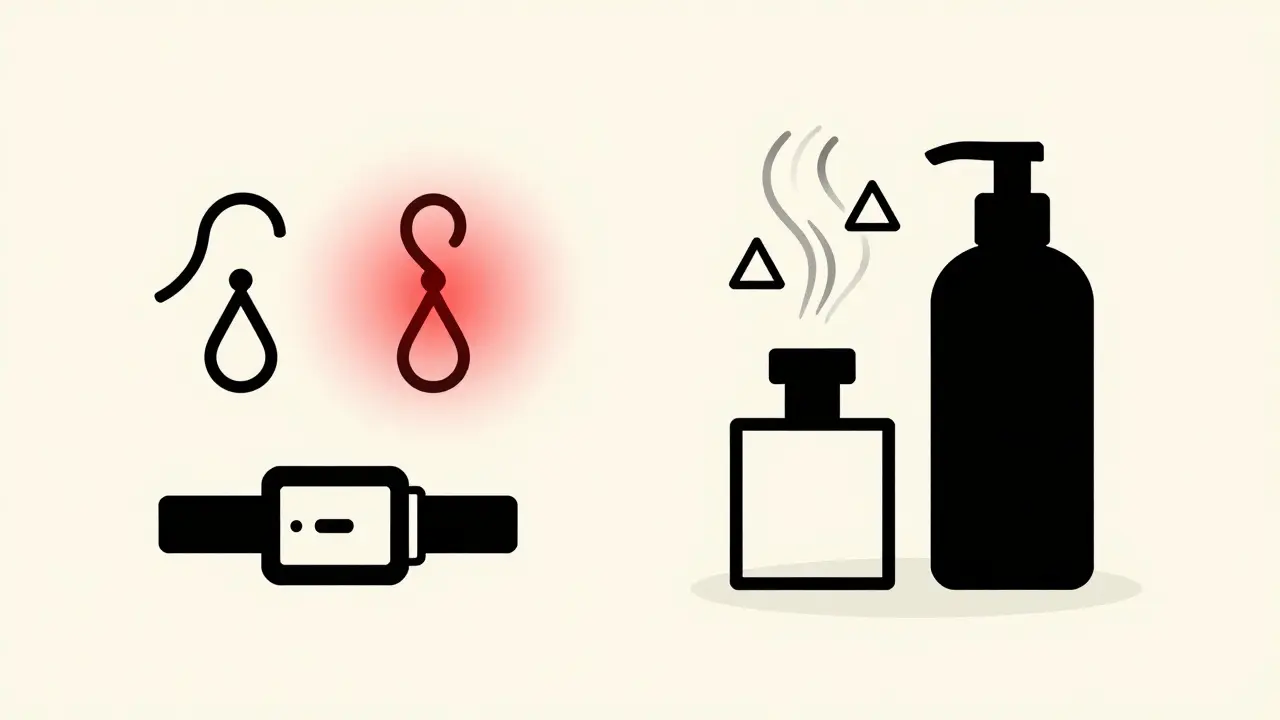
- Jewelry: Earrings, necklaces, and rings, especially costume jewelry or surgical steel that isn't truly nickel-free.
- Clothing: Metal zippers, snaps, belt buckles, and jean buttons.
- Electronics: Phone cases, laptop lids, and smartwatch bands.
- Household Items: Keys, coins, and tools.
If you have a rash behind your earlobes or around your belly button, nickel is a prime suspect. Cobalt and chromium are other common metal allergens tested during this process. Cobalt often co-exists with nickel allergy-if you react to one, you’re likely to react to the other. Chromium is frequently found in leather goods (like shoes and wallets) due to the tanning process, as well as in cement and concrete, which explains why construction workers often develop hand eczema.
The patch test uses specific concentrations to ensure safety and accuracy: 5% nickel sulfate, 1% cobalt chloride, and 0.5% potassium dichromate. These numbers aren’t random; they were established by the International Contact Dermatitis Research Group (ICDRG) after decades of research to balance detecting true allergies without causing unnecessary irritation.
Fragrance Allergies: More Than Just a Bad Smell
Fragrance allergy is tricky. You might love the scent of lavender or citrus, but your immune system sees the chemical compounds behind that smell as threats. Fragrance contact allergy affects 8-15% of general dermatitis patients, making it a leading cause of chronic hand eczema and facial rashes.
The problem is complexity. A single perfume or shampoo can contain dozens of different fragrance chemicals. To diagnose this accurately, doctors don’t just test one thing. They use a combination approach:
| Test Type | What It Contains | Detection Rate | Purpose |
|---|---|---|---|
| Fragrance Mix I (FM I) | 8 common fragrance materials | Covers ~70-80% of cases | Screening for broad sensitivity |
| Fragrance Mix II (FM II) | 6 additional fragrance markers | Supplements FM I | Catches secondary common allergens |
| Individual Chemicals | Specific compounds like Myroxylon pereirae (Balsam of Peru), Cinnamic Aldehyde, Lyral | Identifies specific triggers missed by mixes | Precise avoidance strategy |
Why do we need both mixes and individual chemicals? Because testing only with the mixes misses about 10-15% of fragrance allergy cases. Dr. An Goossens, Chair of the European Society of Contact Dermatitis, notes that comprehensive testing is mandatory for accurate diagnosis. For example, if you react to Balsam of Peru, you need to know that it’s also present in chocolate, cinnamon, and many lip balms. Knowing the specific chemical helps you read labels effectively.
In Europe, regulations require companies to list 26 specific fragrance allergens if they exceed certain concentrations (0.001% in leave-on products). In the US, labeling laws are less strict, which makes patch testing even more critical for American consumers trying to navigate "fragrance-free" products that may still contain hidden sensitizers.
Why Blood Tests Aren't Enough
You might wonder, "Can’t I just get a blood test?" It’s tempting to avoid the week-long patch ordeal. However, blood tests like the Lymphocyte Transformation Test (LTT) have significantly lower sensitivity (60-70%) compared to patch testing (85-90%).
More importantly, blood tests are not standardized for fragrance allergies. There are tens of thousands of potential chemical sensitizers. Patch testing focuses on the most relevant ones based on population data. The NACDG baseline series contains 80 antigens selected specifically for North American patients. Even this comprehensive panel only covers a fraction of possible chemicals, but it catches the vast majority of clinically relevant allergies.
Dr. Matthew Zirwas, Director of the Ohio Dermatology Association Patch Test Clinic, states clearly that patient history alone correctly identifies triggers in only 30-40% of cases. We are bad at guessing what irritates us. Our skin reacts to things we didn’t expect. Relying on memory or intuition leads to continued exposure and worsening symptoms.
Preparing for Your Patch Test
To get accurate results, preparation matters. Here is what you need to do before and during the testing period:
- Stop Steroids: If you are using topical steroid creams on your face or hands, stop them a few days before the test (consult your doctor first). Systemic steroids (pills) can suppress the immune response and cause false negatives, so inform your doctor if you are taking any.
- Dress Comfortably: On the day of application, wear a loose-fitting cotton shirt. Tight clothes can rub off the patches.
- Avoid Sun Exposure: Do not sunbathe or tan while the patches are on your back. UV light can interfere with the results and cause phototoxic reactions that confuse the diagnosis.
- No Sweating: Avoid strenuous exercise, saunas, or hot yoga. Sweat can loosen the tape and wash away the allergens.
- Document Your Products: Bring a list of products you use daily, including cosmetics, detergents, and occupational materials. This helps the doctor interpret the results in context.
Many clinics require you to fill out a detailed evaluation form. Take this seriously. The more information you provide about your job, hobbies, and medical history, the better the doctor can tailor the test series to your life.
Living with a Positive Result
Getting a positive result can feel overwhelming. "I’m allergic to nickel? But I wear jeans every day!" The key is not panic, but strategy. Once you know your triggers, you can manage them.
For metal allergies, barrier methods work well. Clear nail polish on a belt buckle or zipper can prevent direct skin contact. Look for products labeled "nickel-free" or made from titanium, platinum, or high-quality stainless steel (though always verify, as some steels contain trace nickel).
For fragrance allergies, label reading becomes a skill. Look for terms like "unscented" rather than "fragrance-free," as unscented products may still contain masking fragrances. Apps and databases exist that help identify hidden fragrance ingredients in personal care products. Many patients report a "life-changing" improvement in their quality of life once they switch to plain, fragrance-free laundry detergents and body washes.
Remember, avoidance is the cure. There is no medication that cures the allergy itself. Antihistamines and steroids treat the symptoms, but removing the trigger stops the cycle. With proper identification through patch testing, you can finally break free from the mystery rash and reclaim your skin health.
Does patch testing hurt?
No, the application itself is painless. It involves sticking small patches to your back with medical tape. However, if you are allergic to one of the substances, the area may become itchy, red, or swollen during the 48-hour wearing period. This discomfort is a sign of the reaction being measured, not a side effect of the test itself.
How much does patch testing cost?
Costs vary widely depending on location and insurance coverage. In the United States, cash prices can range from $300 to over $1,000. Many insurance plans cover patch testing if it is deemed medically necessary for diagnosing chronic dermatitis. Always check with your provider and insurer beforehand.
Can I shower while the patches are on?
No. You must keep the test sites completely dry for 48 hours. Water can loosen the adhesive tape and wash away the allergens, leading to false negative results. You can sponge bathe your face and legs, but avoid getting water on your back.
What if I have a reaction to the tape itself?
Some people are allergic to the acrylates in the medical tape used for patch testing. If this happens, your doctor will note it as a separate positive reaction. It doesn’t invalidate the rest of the test, but it means you’ll need to avoid similar adhesives in the future. Inform your doctor if you have known tape allergies.
Is patch testing safe for children?
Yes, patch testing is safe for children, though it requires more cooperation. Younger children may find it difficult to keep the patches dry and still for 48 hours. Pediatric dermatologists often use modified series and shorter durations if necessary, but the principle remains the same.
Why did my doctor add extra tests beyond the baseline?
The baseline series covers the most common allergens, but your doctor may add specific tests based on your occupation, hobbies, or suspected products. For example, a hairdresser might be tested for hair dye chemicals, while a gardener might be tested for rubber accelerators in gloves. This customization increases the chance of finding your specific trigger.