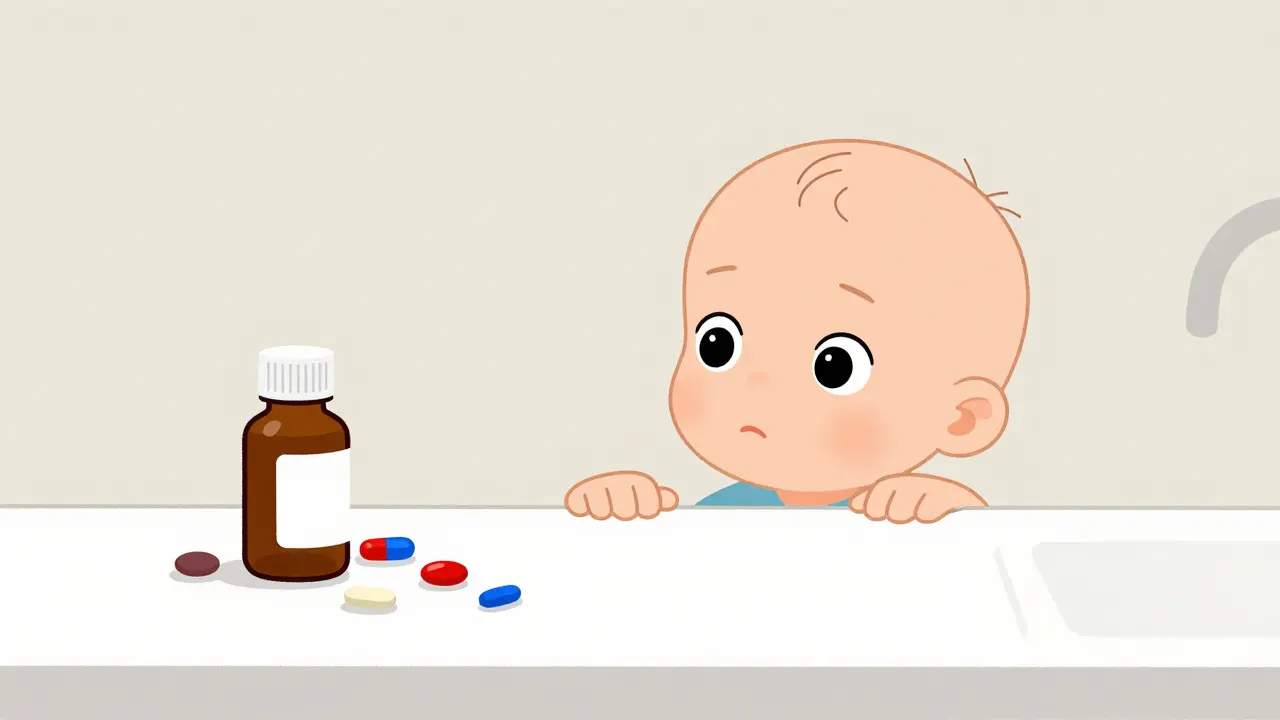
Most parents assume that keeping medicines on a high shelf is enough to keep their toddlers safe. It’s not. In fact, more than 90 percent of accidental poisonings happen right at home, often while the caregiver is in the same room. The scary part? Most incidents involve common over-the-counter drugs like painkillers or cold medicines, not something hidden away in a locked lab.
If you have a child between the ages of one and five, your house is essentially a minefield of small, colorful pills and liquid syrups that look just like candy. Preventing accidental medication poisoning isn’t about panic; it’s about changing habits and securing your environment before curiosity turns into an emergency. Here is how to lock down your home and protect your little ones.
The Myth of Child-Resistant Packaging
You might think those hard plastic bottles with the push-and-turn caps are foolproof. They are not. Experts from UCSF Benioff Children's Hospital warn that "child-resistant" does not mean "childproof." These containers are designed to delay access for a few minutes, giving you time to intervene, but they are not a barrier against a determined toddler.
Children as young as 18 months can develop the motor skills needed to open these caps, especially if they see you doing it repeatedly. Relying solely on the packaging is a gamble you shouldn't take. Always treat every medication container as if it were unlocked. If a bottle is within reach, assume it will be opened.
Are child-resistant medicine bottles safe enough?
No. Child-resistant containers are designed to delay access, not prevent it entirely. Toddlers can learn to open them, so they should never be your only line of defense. Always store medicines in locked cabinets regardless of the bottle type.
Where to Store Medications (And Where Not To)
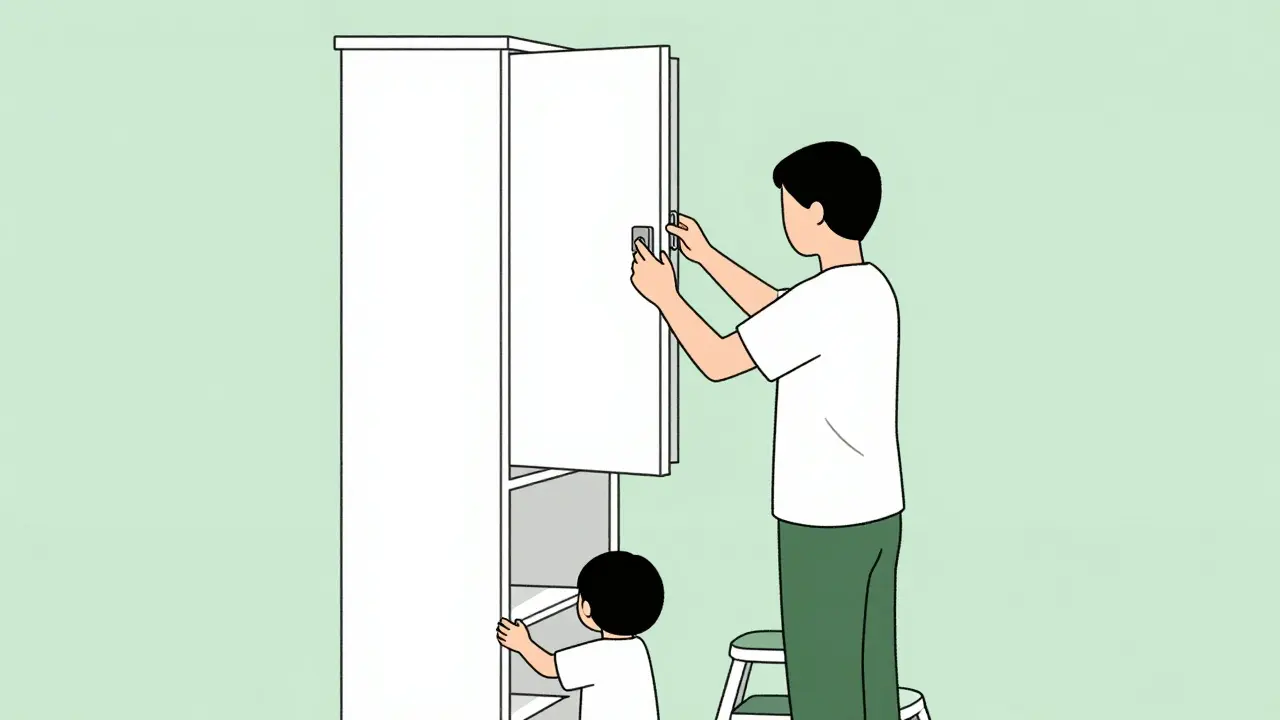
The golden rule of medication storage is simple: up and away, and locked. But "up" has a specific meaning here. According to data from the Rural Health Information Hub, 78 percent of poisoning incidents involve products stored below four feet. That means standard kitchen counters, bathroom vanities, and even low shelves are danger zones.
Nationwide Children's Hospital recommends storing medications in cabinets equipped with magnetic locks or automatic latches placed at least 54 inches above the floor. This height is beyond the typical reach of most toddlers, even when they stand on tiptoes. However, don't forget that kids are climbers. They use toilets, chairs, and countertops to scale heights. If a cabinet is reachable via furniture, it’s not safe.
Avoid these common mistakes:
- Purses and Bags: 30 percent of medication exposures come from visitors' belongings left accessible. Never leave meds in handbags, backpacks, or coat pockets where a curious child can dig them out.
- Nightstands: Households with visiting grandparents see a 35 percent higher incidence of exposures because meds are often left on bedside tables. Keep sleep aids and supplements in a locked drawer, not on the table.
- Original Containers: Never transfer pills to jewelry boxes or food tins. Nationwide Children's Hospital reports that 25 percent of incidents involve meds moved to non-original containers, which lack warning labels and child-resistant features.
The Danger of Language: Never Call Medicine Candy
This seems obvious, but it bears repeating. Never refer to medication as "candy" or "treats" to coax a child into taking it. The American Academy of Pediatrics analyzed poison control data and found that this practice increases the likelihood of children self-administering drugs by 3.2 times.
To a toddler, a colorful gummy vitamin or a bright red pill looks exactly like a sweet. If you’ve called it candy before, they will seek it out again. Use clear, consistent language. Say, "This is medicine. It helps your body feel better. Only grown-ups give it to you." This distinction helps build a mental boundary between food/treats and medical substances.
High-Risk Medications to Watch
Not all poisons are equal. Some household items carry a much higher risk of severe harm or death in smaller quantities. You need to know what’s in your cupboard.
| Medication Type | Common Brand Names | Risk Level | Key Precaution |
|---|---|---|---|
| Analgesics | Tylenol, Motrin, Advil | High | Acetaminophen overdose can cause liver failure. Store separately from other meds. |
| Antihistamines | Benadryl, Zyrtec | Medium-High | Can cause seizures or coma in large doses. Often look like candy. |
| Liquid Nicotine | E-cigarette vapes | Critical | As little as 0.5 mL can be fatal to a toddler. Must be in locked containers. |
| NSAIDs | Ibuprofen, Aspirin | High | Can cause stomach bleeding and Reye's syndrome (aspirin). Keep out of reach. |
Liquid nicotine from e-cigarettes deserves special attention. The AAP warns that this substance poses an extreme risk. A single drop or two absorbed through the skin or ingested can be life-threatening. If you vape, store your devices and juice in a locked box, ideally separate from other medications.
Measuring Doses Correctly
Even when you intend to give medicine correctly, errors happen. Poison Control’s 2023 data shows that medication errors account for 68 percent of dosing mistakes. Why? Because people use kitchen spoons.
Kitchen teaspoons vary wildly in size. One spoon might hold 5 milliliters, another 7, and another 3. This 20-40 percent variance can lead to dangerous overdoses or ineffective treatment. Always use the measuring device that comes with the medication, such as a oral syringe or a dosing cup with exact milliliter markings.
If the original device is lost, buy a new one from a pharmacy. Do not guess. When in doubt, call your pharmacist or doctor for clarification on the correct dose for your child's weight and age.
Creating a Safety Routine
Prevention isn't a one-time task; it's a habit. Here is a practical checklist to integrate into your daily routine:
- The Floor Sweep: Get down on your hands and knees. Look around every room from your child's eye level. What do you see? Is there a loose pill on the carpet? A baggie on the counter? This perspective shift reveals hazards you miss standing up.
- Lock It Up: After every dose, immediately return the medication to its locked storage. Don't set it on the counter "for a second" while you wipe your hands. Distraction is the enemy. UCSF notes that 40 percent of incidents happen when parents are using a product and get distracted.
- Check Visitors: Politely ask guests to secure their purses and bags. Remind them that their blood pressure meds or heart pills are just as dangerous to your toddler as yours.
- Post the Number: Write the Poison Help number (1-800-222-1222) on a card and tape it next to your phone and in the kitchen. Data shows that visible postings reduce emergency response time by 47 percent.
What to Do If Exposure Happens
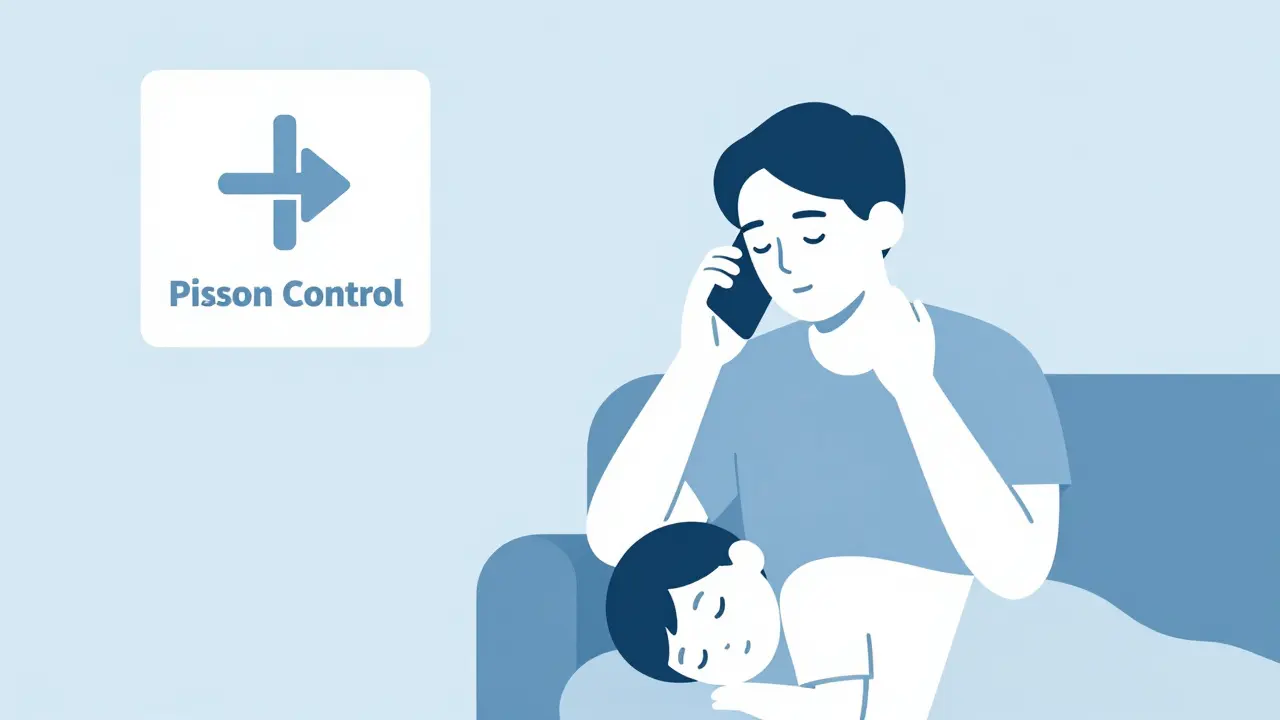
If you suspect your child has swallowed a medication, stay calm but act fast. Time is critical. Immediate consultation within five minutes of exposure improves outcomes by 89 percent, according to Poison Control.
Do not wait for symptoms to appear. Do not try to make the child vomit unless instructed by a professional. Instead:
- Call the Poison Control Center at 1-800-222-1222 or use the webPOISONCONTROL online tool.
- Have the medication container ready to read the name and strength.
- Note the approximate amount ingested and the time it happened.
- If the child is unconscious, having trouble breathing, or seizing, call 911 immediately.
Keeping CPR and Heimlich maneuver training current is also wise. While rare, 12 percent of severe poisoning cases require immediate life-saving interventions before medical help arrives.
Final Thoughts on Prevention
Preventing medication poisoning is less about buying expensive gadgets and more about vigilance. It’s about locking the cabinet, throwing away the old pills, and never underestimating your child’s ability to climb, open, and explore. By treating every pill with respect and securing your environment, you create a safe space where curiosity doesn’t come with a deadly cost.
What is the most common cause of medication poisoning in toddlers?
The most common causes are analgesics (like acetaminophen and ibuprofen), antihistamines, and antidepressants. These are often found in households and may look appealing to children due to their color or shape.
How long does it take for symptoms of medication poisoning to appear?
Symptoms can appear within minutes to hours, depending on the substance. Some medications, like sedatives, may show effects quickly, while others, like certain painkillers, may have delayed but severe consequences. Always seek help immediately, even if no symptoms are present.
Should I induce vomiting if my child swallows medicine?
No. Never induce vomiting unless explicitly told to do so by a poison control specialist or medical professional. Vomiting can cause additional injury, especially if the substance is corrosive or if the child loses consciousness.
Is it safe to store medications in the bathroom?
It is not recommended. Bathrooms are humid, which can degrade medications, and they are often easily accessible to climbing toddlers. A locked cabinet in a bedroom or hallway is a safer alternative.
What is the Poison Control number in the US?
The national Poison Control number is 1-800-222-1222. It is available 24/7 for free expert advice. You can also visit webpoisoncontrol.org for online assistance.