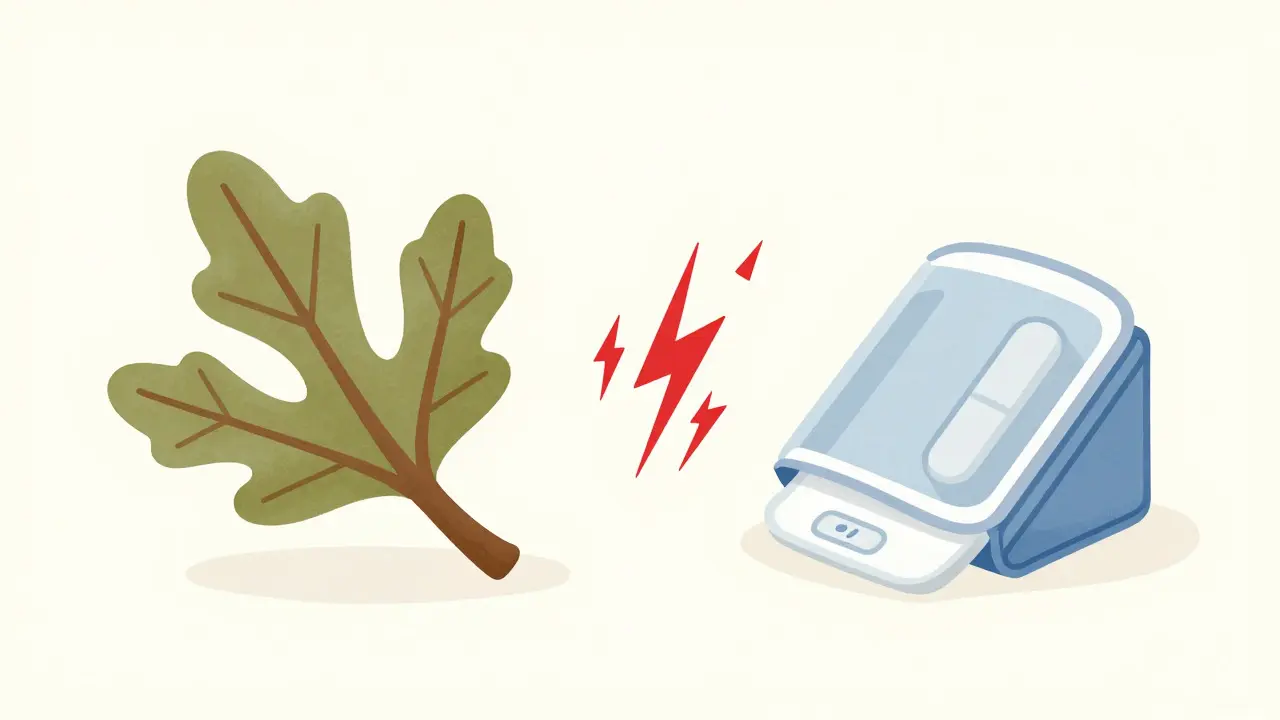
Yohimbe & Blood Pressure Med Interaction Checker
Not sure where to start? Pick the medication you take daily and check any condition that applies. The tool scores the combined cardiovascular risk of adding yohimbe.
Your personalized risk result will appear here.
Disclaimer: Educational estimate based on published interaction data, not medical advice. Always consult your doctor or pharmacist before stopping or starting any supplement.
Imagine taking a supplement for energy or focus, only to watch your blood pressure spike dangerously high because it fights against the very pills prescribed to keep you safe. This isn't a hypothetical scenario; it is a documented medical reality for many people combining Yohimbe is a herbal extract derived from the bark of the Pausinystalia yohimbe tree, containing the active compound yohimbine which acts as an alpha-2 adrenergic receptor antagonist. with standard antihypertensive drugs. If you have been diagnosed with hypertension is a chronic medical condition characterized by persistently elevated blood pressure in the arteries. or are managing heart health, understanding this specific interaction is critical. The risk isn't just about feeling jittery; it involves significant cardiovascular instability that can lead to emergency situations.
The core issue lies in how yohimbine works in your body. It blocks alpha-2 adrenergic receptors, which normally help regulate the release of norepinephrine. When these receptors are blocked, more norepinephrine stays in the synapse, leading to increased heart rate and constricted blood vessels. For someone without blood pressure issues, this might result in mild flushing or anxiety. But for someone on medication designed to lower pressure, this mechanism directly opposes their treatment plan. The result? Unpredictable fluctuations where blood pressure can swing wildly, either dropping too low or spiking too high, depending on the specific drug combination and individual physiology.
How Yohimbe Fights Against Common Blood Pressure Drugs
You might think that since yohimbe is natural, it must be safer than synthetic drugs. However, "natural" does not mean "compatible." In fact, the chemical structure of yohimbine makes it a direct antagonist to several classes of prescription medications. Let's look at the most common scenarios reported by pharmacists and cardiologists.
- Beta-blockers: These drugs (like metoprolol or atenolol) slow down your heart rate and reduce the force of contraction. Yohimbe increases norepinephrine, which stimulates the heart. When combined, the beta-blocker may fail to control the heart rate adequately, leading to tachycardia (heart rate over 100 bpm). Data from the California Poison Control System shows that 67% of yohimbe-related calls involved tachycardia.
- Alpha-agonists (like Clonidine): This is perhaps the most dangerous pairing. Clonidine works by activating alpha-2 receptors to lower blood pressure. Yohimbe blocks these exact same receptors. Taking them together can completely reverse the effect of clonidine, causing a rebound hypertension crisis where systolic blood pressure can jump by 30-50 mmHg within hours.
- ACE Inhibitors and ARBs: While the interaction here is less direct than with alpha-agonists, the overall increase in vascular resistance caused by yohimbe can undermine the vasodilating effects of drugs like lisinopril. Users frequently report that their usual dose no longer keeps their readings in range when they add yohimbe to their routine.
| Medication Class | Example Drugs | Primary Risk | Severity Level |
|---|---|---|---|
| Alpha-2 Agonists | Clonidine, Guanfacine | Rebound Hypertension, BP Spike | Critical |
| Beta-Blockers | Metoprolol, Atenolol | Tachycardia, Reduced Efficacy | High |
| Calcium Channel Blockers | Amlodipine, Diltiazem | Inconsistent BP Control | Moderate-High |
| Diuretics | Hydrochlorothiazide | Electrolyte Imbalance, Dehydration | Moderate |
The Problem with Supplement Labeling and Dosage
Even if you decide to take yohimbe despite the warnings, you face another major hurdle: you don't actually know what you're taking. Unlike prescription drugs, dietary supplements are not required to prove efficacy or safety before hitting store shelves. A 2015 analysis of 49 U.S. supplement brands found that yohimbine content varied wildly. Some bottles contained undetectable levels, while others had up to 6.1 mg per serving, even if labeled differently. Worse, 30% of these products contained synthetic yohimbine rather than plant-derived compounds, which can have different purity profiles and side effect potentials.
This variability creates a moving target for your body. One month, your dose might be sub-therapeutic and harmless. The next month, due to manufacturing inconsistencies, you might ingest a significantly higher amount, triggering a hypertensive episode. ConsumerLab.com’s independent testing revealed that 68% of yohimbe supplements failed to accurately label their yohimbine content. For a patient with cardiovascular disease is a group of conditions affecting the heart and blood vessels, including coronary artery disease and arrhythmias., this unpredictability is unacceptable. You cannot titrate a dose safely if the baseline is unknown.

Real-World Consequences: What Happens When They Mix
It is easy to dismiss these risks as theoretical until you look at the data from poison control centers and emergency rooms. The FDA has issued multiple public health warnings, citing 127 adverse event reports related to cardiovascular complications, including 19 cases of hypertensive crisis requiring hospitalization. In a 2023 meta-analysis published in the Journal of the American Heart Association, researchers concluded that yohimbe use increases the risk of hypertensive crisis by 4.7-fold in patients already taking blood pressure medications.
User experiences back up these clinical findings. On platforms like WebMD, 87% of reviews from users with hypertension reported negative cardiovascular effects. Many described "racing hearts" and "dangerous blood pressure spikes" after combining yohimbe with their daily meds. One notable case shared on community forums involved a user on lisinopril who experienced systolic readings exceeding 200 mmHg after starting yohimbe. This wasn't an isolated incident; it was part of a pattern where the supplement effectively neutralized the protective effect of the medication.
Who Should Avoid Yohimbe Completely?
While everyone should exercise caution, certain groups face higher risks. The Memorial Sloan Kettering Cancer Center explicitly contraindicates yohimbe use in patients with existing hypertension or cardiovascular disease. Here is a quick checklist of who needs to steer clear:
- Anyone with uncontrolled hypertension: If your blood pressure is not consistently within normal ranges on medication, adding a variable agent like yohimbe is risky.
- Patients on Clonidine or Guanfacine: Due to the direct receptor antagonism, this combination is particularly volatile.
- Individuals with arrhythmias: Since yohimbe increases heart rate, it can exacerbate irregular heartbeat conditions.
- Pregnant or breastfeeding women: Beyond blood pressure concerns, the lack of safety data for fetal development makes avoidance the standard recommendation.
Dr. David Kiefer, Director of Integrative Medicine at the University of Arizona, noted in a 2023 review that yohimbe represents one of the most dangerous herbal supplements for hypertensive patients due to its unpredictable dose-response relationship. He emphasized that the interaction potential exists with nearly all major antihypertensive classes, making it a poor choice for anyone managing heart health.
What to Do If You Are Already Taking Both
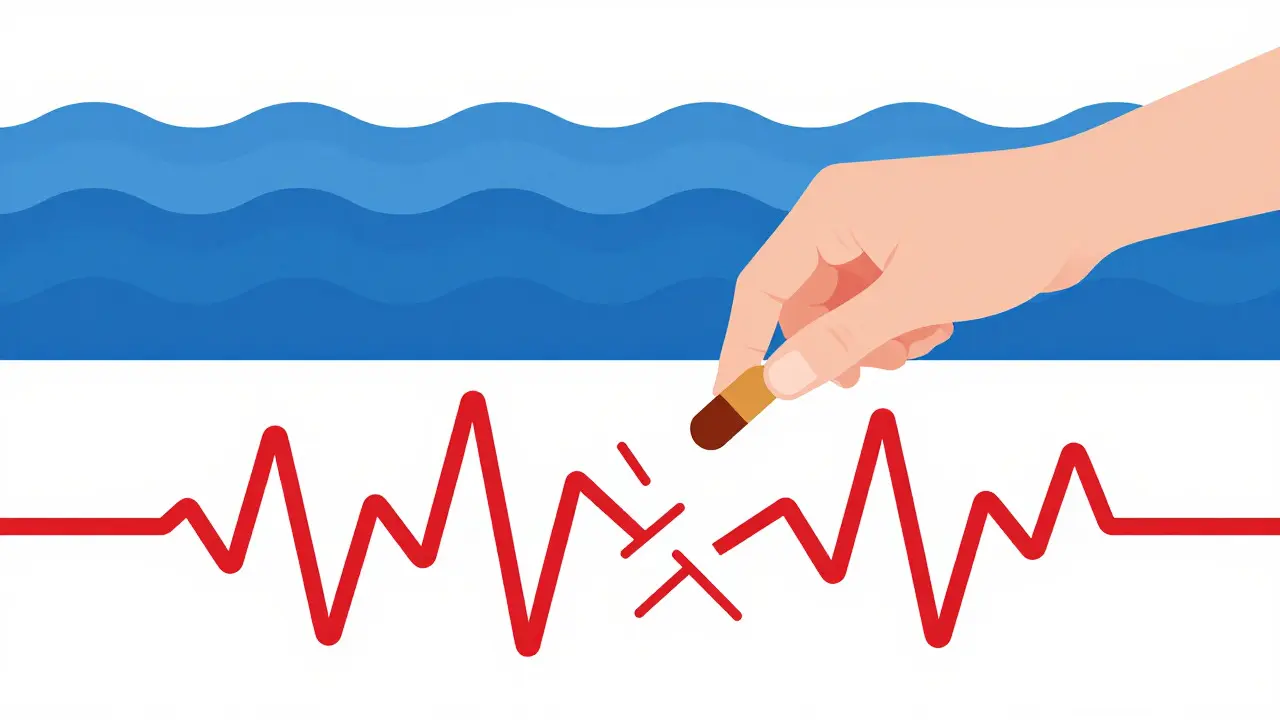
If you have been using yohimbe alongside your blood pressure medication, do not panic, but do act. First, stop taking the yohimbe supplement immediately unless directed otherwise by your doctor. Monitor your blood pressure closely for the next few days. If you experience symptoms like severe headache, vision changes, chest pain, or a heart rate consistently above 100 bpm, seek medical attention promptly.
When you see your healthcare provider, bring the bottle of the supplement. Ask them to check your recent blood pressure logs. Discuss whether your current medication regimen is still effective now that the interfering agent is removed. Sometimes, doctors may need to adjust dosages temporarily if the yohimbe had been masking underlying issues or causing compensatory changes in your body's regulation systems.
Frequently Asked Questions
Can I take yohimbe if my blood pressure is currently normal?
If you are not on medication and your blood pressure is consistently normal, the risk is lower, but not zero. Yohimbe can still cause temporary spikes. However, the danger multiplies exponentially if you start taking blood pressure medication later, as your body will have adapted to the supplement's presence. Always consult a doctor before adding any new supplement, especially if you have a family history of hypertension.
Does yohimbe interact with over-the-counter cold medicines?
Yes. Many OTC decongestants contain pseudoephedrine or phenylephrine, which also raise blood pressure. Combining these with yohimbe can create a cumulative stimulant effect, increasing heart rate and blood pressure further. Check labels for "decongestant" ingredients if you are sensitive to blood pressure changes.
Is there a safe dose of yohimbe for people on beta-blockers?
There is no universally agreed-upon "safe" dose because individual sensitivity varies greatly. Some studies suggest low doses (under 5 mg) may be better tolerated, but given the variability in supplement purity, even low-labeled doses can contain higher amounts. Most cardiologists recommend avoiding it entirely to eliminate the risk of tachycardia and reduced medication efficacy.
How long does it take for yohimbe to leave my system?
The half-life of yohimbine is approximately 0.5 to 1.5 hours. This means it takes about 5 to 7.5 hours for the majority of the compound to be eliminated from your bloodstream. However, its effects on blood pressure and heart rate can linger slightly longer, so monitor yourself for 24 hours after stopping use.
Are there alternatives to yohimbe for energy or focus?
Yes. Caffeine, L-theanine, or B-vitamins are generally considered to have fewer interactions with blood pressure medications, though caffeine should still be consumed in moderation. Always discuss alternatives with your pharmacist to ensure they fit your specific medication profile.