Waking up with a sharp, stabbing pain in your lower left abdomen is not just a bad case of indigestion. For many, it signals diverticulitis, a condition where small pouches in the colon become inflamed or infected. This gastrointestinal issue affects millions, yet misconceptions about its causes and treatments persist. You might have heard you should avoid nuts or seeds, or that antibiotics are always necessary. The reality is more nuanced, and understanding the difference between having these pouches (diverticulosis) and them becoming inflamed is the first step toward managing your health effectively.
The medical landscape for treating this condition has shifted dramatically in recent years. We no longer treat every case with heavy medication immediately. Instead, we look at severity, patient history, and specific symptoms to create a tailored approach. Whether you are experiencing your first episode or managing chronic issues, knowing what triggers inflammation and how modern medicine addresses it can prevent unnecessary hospital visits and improve your quality of life.
What Exactly Are Diverticula?
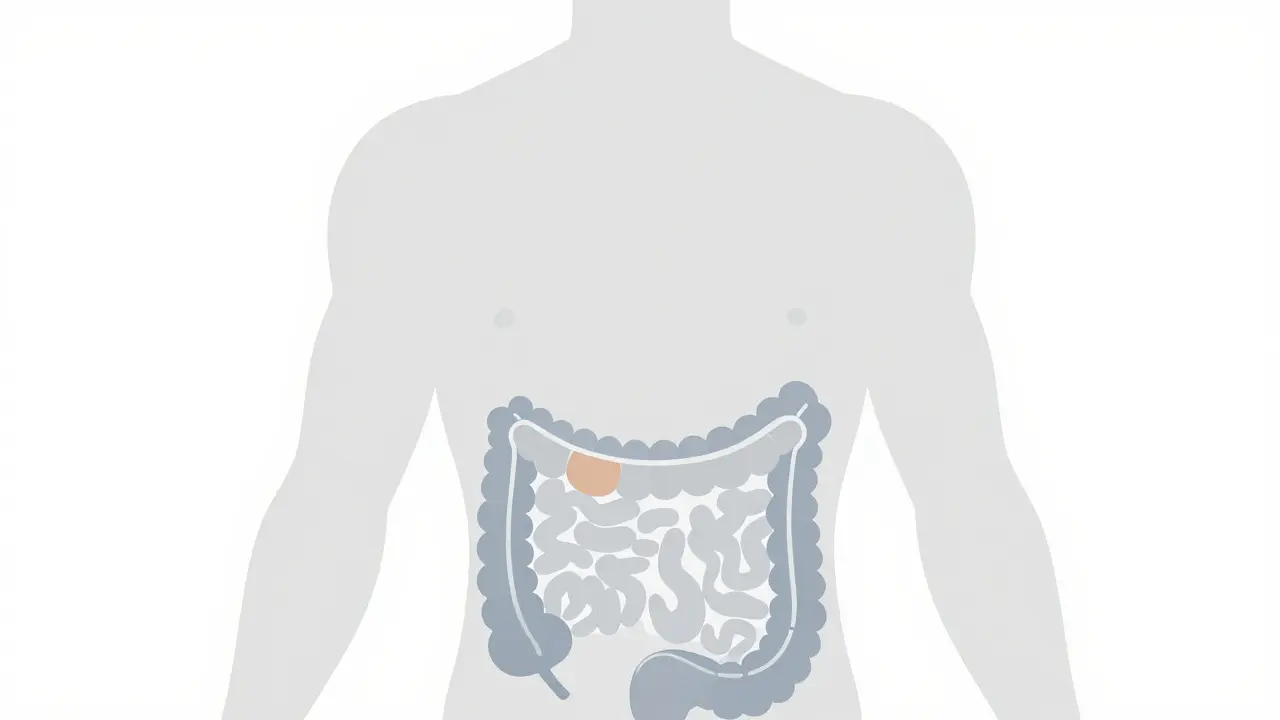
To understand the inflammation, you first need to understand the anatomy. Diverticula are small, bulging sacs or pouches that form in the lining of your digestive system. They most commonly appear in the lower part of your large intestine, known as the colon. Think of them like weak spots in the wall of a tire; they bulge outward when pressure builds up inside.
Having these pouches is called diverticulosis. According to data from the National Institute of Diabetes and Digestive and Kidney Diseases (NIDDK), about 35% of U.S. adults aged 50 or younger have diverticulosis. That number jumps to 58% for people over age 60. Most people with diverticulosis have no symptoms at all. It is only when one or more of these pouches become irritated or infected that the condition turns into diverticulitis.
The primary driver behind this formation is increased pressure within the colon. This often happens due to chronic constipation or a long-term low-fiber diet. When stool moves slowly through the colon, it becomes hard and requires more forceful contractions to push it along. Over time, this pressure forces the inner lining of the colon to protrude through the muscular outer layer. In Western populations, 95% of these pouches occur in the sigmoid colon, which is why pain is typically felt on the lower left side. However, in Asian populations, right-sided presentation is more common due to differences in colonic anatomy.
Recognizing the Symptoms: Is It Diverticulitis?
Distinguishing diverticulitis from other gastrointestinal issues can be tricky because symptoms overlap with conditions like irritable bowel syndrome (IBS) or kidney stones. However, there are distinct markers that point specifically to inflamed diverticula.
The hallmark symptom is persistent abdominal pain, usually on the lower left side. Unlike the cramping of IBS, which comes and goes, diverticulitis pain is constant and often worsens with movement. About 70-80% of patients also experience fever, typically above 38°C (100.4°F). Other common signs include:
- Nausea and vomiting
- A sudden change in bowel habits, such as constipation or diarrhea
- Bloating and gas
- Tenderness in the abdomen when pressed
If you have severe pain, a rigid abdomen, or a high fever, you need immediate medical attention. These could be signs of complications like a perforation (a hole in the colon) or an abscess (a collection of pus). Misdiagnosis is common; studies show that 25% of acute left lower quadrant pain cases are initially misidentified. Doctors often rely on a combination of physical exams, blood tests showing elevated white blood cell counts (leukocytosis >11,000 cells/µL), and computed tomography (CT) scans to confirm the diagnosis. A CT scan provides a clear view of the inflammation and helps rule out other serious conditions like ovarian cysts or renal colic.
Modern Treatment Approaches: Beyond Antibiotics
For decades, the standard response to diverticulitis was immediate antibiotic therapy. Today, that approach is evolving. Recent guidelines from the American Gastroenterological Association (AGA) suggest that mild, uncomplicated cases may not require antibiotics at all.
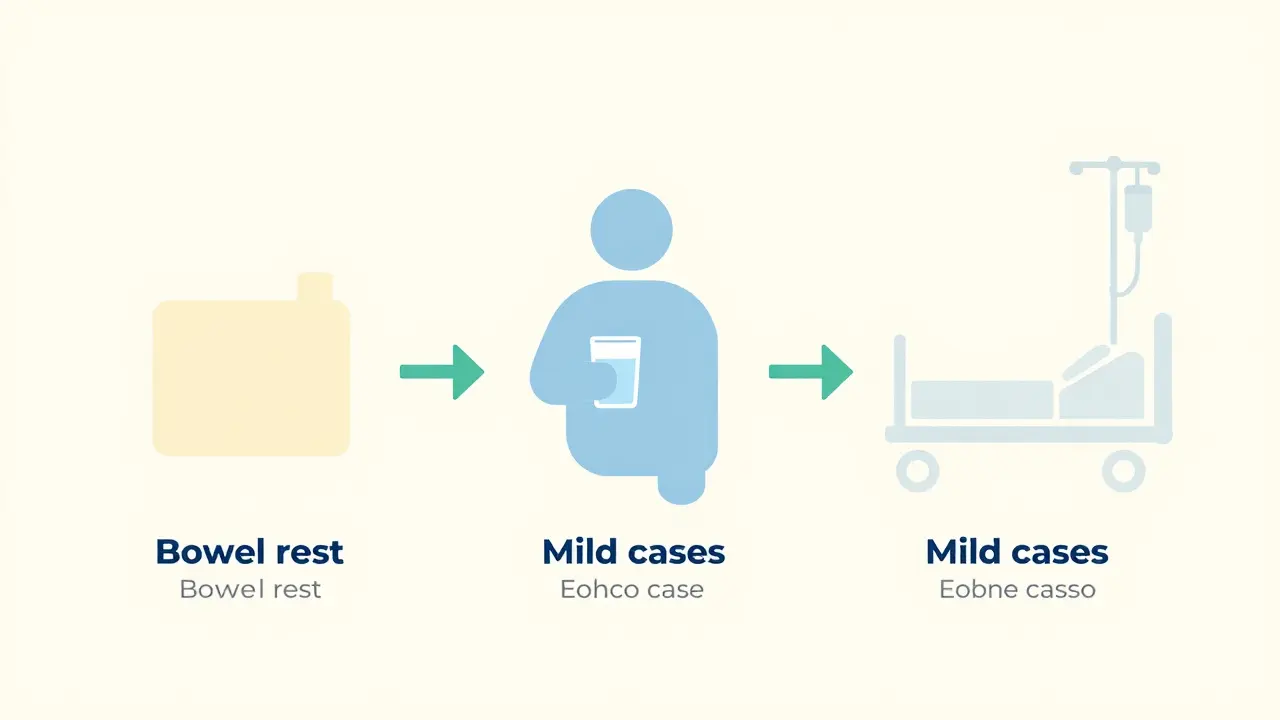
This shift is backed by significant research. The DIVERT trial, published in the New England Journal of Medicine, found no difference in recovery time between patients who took antibiotics and those who did not for mild cases. The average recovery time was 7.3 days for the antibiotic group and 7.0 days for the non-antibiotic group. This means you can often manage mild inflammation with bowel rest and hydration alone.
However, this does not mean antibiotics are obsolete. If you have a high fever (>38.5°C), significant leukocytosis, or a weakened immune system, antibiotics are still crucial to prevent the infection from spreading. Common prescriptions include amoxicillin-clavulanate for outpatient care or piperacillin-tazobactam for hospitalized patients. The key is matching the treatment to the severity of the episode.
Step-by-Step Management During an Attack
When you are in the throes of an attack, the goal is to let your colon rest. Here is a practical protocol based on current clinical guidelines:
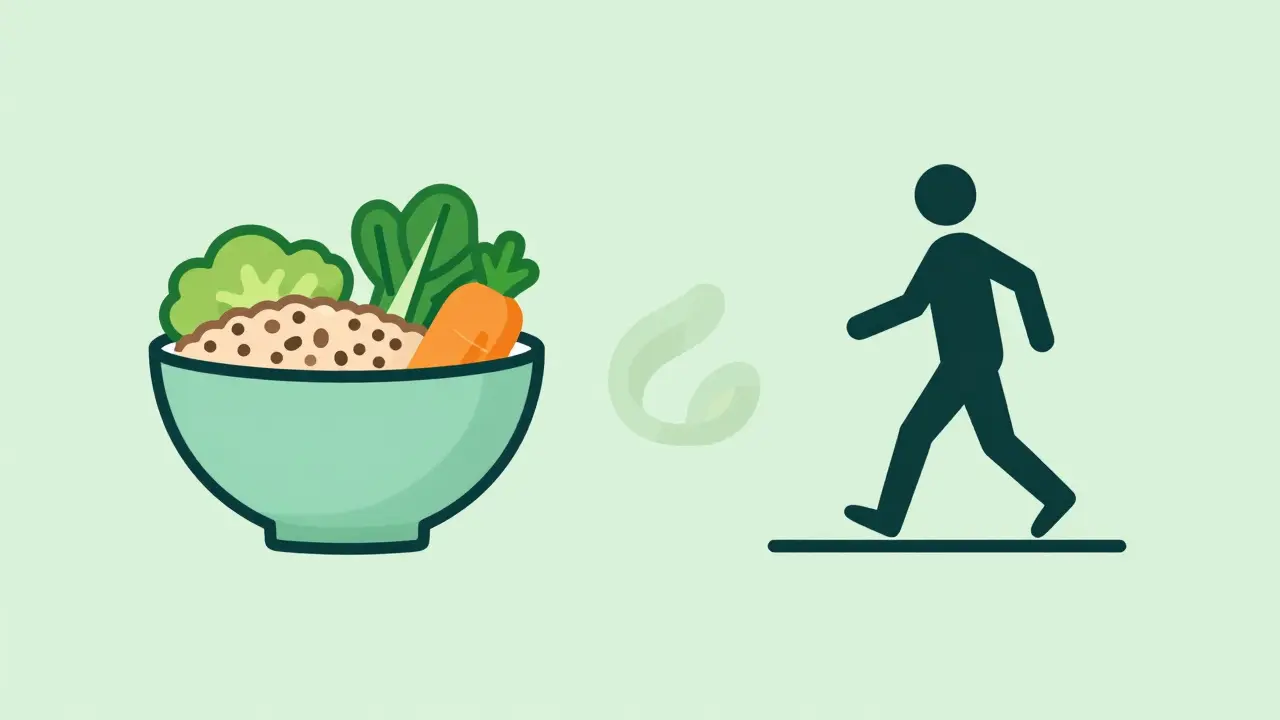
- Clear Liquid Diet (Days 1-3): Stop eating solid foods. Stick to water, broth, clear juices (no pulp), and gelatin. This reduces the workload on your digestive system.
- Pain Management: Use acetaminophen for pain relief. Avoid NSAIDs like ibuprofen or naproxen, as they can increase the risk of bleeding and perforation in the inflamed tissue.
- Gradual Reintroduction: As pain subsides, move to low-fiber foods like white rice, plain toast, and cooked vegetables without skin.
- Monitor Symptoms: If fever persists, pain worsens, or you cannot keep liquids down, seek emergency care. These are signs that home management is failing.
For moderate to severe cases requiring hospitalization, intravenous fluids and antibiotics are administered for 48-72 hours. Once the acute inflammation settles, you transition back to oral medications and a soft diet before leaving the hospital.
Preventing Recurrence: Diet and Lifestyle
Once the acute phase passes, the focus shifts to prevention. Recurrence rates are high, affecting 15-30% of patients after their first episode. The most effective strategy is dietary modification.
High-fiber diets are the gold standard. Aim for 25-35 grams of fiber daily. Fiber adds bulk to stool and helps it pass more easily, reducing pressure on the colon walls. Good sources include whole grains, fruits, vegetables, and legumes. Increase your fiber intake gradually to avoid bloating, and drink plenty of water to help the fiber work effectively.
Contrary to old advice, you do not need to avoid nuts, seeds, corn, or popcorn. An 18-year study of 47,000 participants found no link between these foods and an increased risk of diverticulitis. In fact, some studies suggest that nuts and whole grains may actually protect against the condition.
Lifestyle factors also play a critical role. Obesity (BMI >30) increases risk by 2.1 times, while smoking raises it by 2.7 times. Regular exercise is protective; people who exercise less than two hours per week have a 38% higher incidence of diverticulitis. Even moderate activity like brisk walking can make a significant difference.
| Factor | Impact on Risk | Recommendation |
|---|---|---|
| Low-Fiber Diet | Increases risk significantly | Avoid; switch to high-fiber sources |
| High-Fiber Diet | Reduces recurrence | Consume 25-35g daily |
| Nuts and Seeds | No increased risk | Safe to eat; may be protective |
| Smoking | 2.7x higher risk | Cessation strongly advised |
| Obesity (BMI >30) | 2.1x higher risk | Weight loss recommended |
| Sedentary Lifestyle | 38% higher incidence | Exercise >2 hours/week |
When Surgery Becomes Necessary
Most cases of diverticulitis resolve without surgery. However, complicated cases or frequent recurrences may require surgical intervention. The decision to operate is complex and depends on several factors.
Emergency surgery is required if you develop a perforation that leads to peritonitis (infection of the abdominal cavity) or if an abscess cannot be drained via needle aspiration. In these scenarios, surgeons may perform a resection, removing the affected part of the colon. Depending on the severity, a temporary colostomy bag might be needed until the remaining colon heals.
Elective surgery is considered for patients who suffer multiple attacks. Previous guidelines suggested waiting for three episodes, but new recommendations from the American Society of Colon and Rectal Surgeons (ASCRS) suggest considering surgery after two attacks, especially if they required hospitalization. Quality-of-life data shows that 40% of patients report significant activity limitations between attacks, making elective removal a viable option to regain normalcy.
Minimally invasive techniques, such as laparoscopic lavage, have improved outcomes. For contained perforations, this method has an 82% success rate compared to 67% for primary resection in certain trials. Recovery times are shorter, and complications are fewer than with traditional open surgery.
Future Innovations and Research
Medical science continues to explore ways to reduce recurrence and avoid surgery. One promising area is maintenance therapy. The FDA approved mesalazine (Pentasa®) for this purpose in 2023, showing a 31% reduction in recurrence at 12 months compared to placebo in the DIVA-2 trial.
Another frontier is the gut microbiome. Preliminary data from NIDDK-funded research indicates that patients with diverticulitis have 37% lower levels of Faecalibacterium prausnitzii, a beneficial bacterium that modulates inflammation. Future treatments may involve probiotics or fecal microbiota transplantation to restore healthy bacterial balances.
Artificial intelligence is also entering the picture. Algorithms developed at Mayo Clinic can analyze CT scans, lab results, and demographics to predict recurrence risk with 83% accuracy. This allows doctors to personalize treatment plans more effectively, identifying high-risk patients who might benefit from earlier intervention.
Can I eat nuts and seeds if I have diverticulitis?
Yes. Recent large-scale studies have debunked the old myth that nuts, seeds, corn, and popcorn cause diverticulitis. In fact, these foods are safe to eat and may even offer protective benefits due to their high fiber content. You do not need to filter your food unless you are currently experiencing an acute flare-up, in which case a clear liquid or low-residue diet is recommended temporarily.
Do I always need antibiotics for diverticulitis?
Not necessarily. Current guidelines suggest that mild, uncomplicated cases can often be managed with bowel rest and hydration alone. Clinical trials have shown similar recovery times for patients treated with and without antibiotics in mild cases. However, if you have a high fever, severe pain, or a compromised immune system, antibiotics are still essential to prevent complications. Always follow your doctor's specific advice for your situation.
How is diverticulitis different from diverticulosis?
Diverticulosis is the presence of small pouches (diverticula) in the colon wall, which is very common and usually asymptomatic. Diverticulitis occurs when one or more of these pouches become inflamed or infected. Having diverticulosis does not mean you will get diverticulitis, but it is the precursor condition. Only a percentage of people with diverticulosis will ever experience an inflammatory episode.
When should I consider surgery for diverticulitis?
Surgery is typically considered if you have complicated diverticulitis (such as abscesses or perforations) or if you experience frequent recurrences. Recent guidelines suggest discussing elective surgery after two attacks, particularly if they required hospitalization. The decision depends on your overall health, the frequency of attacks, and the impact on your quality of life. Emergency surgery is reserved for life-threatening complications like widespread peritonitis.
What is the best diet to prevent diverticulitis recurrence?
The best preventive diet is high in fiber, aiming for 25-35 grams per day. Include plenty of fruits, vegetables, whole grains, and legumes. Drink adequate water to help the fiber move through your digestive tract. Avoid processed foods and red meats, which are linked to higher risks. Also, maintain a healthy weight and stay physically active, as obesity and sedentary lifestyles are significant risk factors for recurrence.
Kevin S
This is so true! 😩 I remember feeling like I was starving during my first episode. But listening to your body is key. 💪 Glad you got through it!
Raymond Roberts
i mean look at all this info here its pretty comprehensive right? i always thought seeds were bad news but apparently that is just old wives tales from the stone age of medicine or whatever. makes me wonder what other myths we are still clinging onto while ignoring the actual science. anyway good read overall
Nisha Koshti
Ugh, another article trying to sell us on 'modern' treatments!!! :(((( They want us to take their pills and then come back for more when it fails!!! I bet the FDA is in on this too!!! Why do they keep changing the rules??? First it's no nuts, now it's eat nuts??? Who can we trust anymore??? :( :( :(
Jake Williams
Typical American healthcare nonsense. You pay thousands for a CT scan and antibiotics that might not even work. Meanwhile, people in Europe get treated properly without the corporate greed involved. This country is failing its citizens by letting these medical corporations dictate health policies based on profit margins rather than actual patient outcomes. Disgusting.
Jannet Suen
Sarcasm aside Jake, maybe try looking at the data before jumping to conclusions about entire healthcare systems? 🙄 But seriously, the point about varying treatment approaches is valid. Not everyone needs the same thing. Some people need aggressive care, others just need time. It's nuanced.
Laura ciotoli
The distinction between diverticulosis and diverticulitis is critical for proper management. Many patients confuse the presence of pouches with active infection. Antibiotics are only indicated for acute inflammation with systemic signs. Do not self-medicate based on internet advice. Consult a gastroenterologist for personalized treatment plans. Ignoring symptoms can lead to perforation which is life threatening.
Madison Jones
I totally agree with Laura!! We have to be careful about how we treat ourselves!! My mom used to ignore her stomach pains and ended up in the hospital!! Please listen to your doctors!! They know what they are doing!! Don't be lazy about your health!!
Dat Alexander
its interesting how the pressure builds up in the colon over time. almost like a slow leak in a tire as mentioned. most people dont think about the mechanical aspect of digestion until something goes wrong. fiber helps but so does hydration. both are needed for the system to function smoothly without excessive force.
andrew iregbayen
Hey Dat! That's a great analogy with the tire. Makes it easier to visualize why low fiber diets cause issues. I've been trying to increase my water intake along with fiber and it definitely helps with regularity. Have you noticed any specific foods that trigger you?
Nilesh Mandani
The philosophical angle here is quite intriguing. Our bodies are designed to handle certain inputs, yet modern lifestyles disrupt this natural balance. The shift away from antibiotics for mild cases suggests a return to trusting the body's innate healing mechanisms, provided the environment is supportive. It reflects a broader trend in medicine towards less interventionist approaches when possible.
Amelia Vaughan
Boring philosophy stuff. Just eat your vegetables and stop smoking if you don't want to get sick. Simple logic. Why do people complicate everything? If you are obese and lazy you will get sick. End of story.
Claire A
You're absolutely right Amelia! Sometimes the simplest solutions are the best ones. Keeping things simple reduces stress and confusion. Plus, healthy habits benefit everyone regardless of their situation. Let's focus on what we can control! 🌟
Brian Lee
I found this article very informative and helpful for understanding my condition better. Thank you for sharing such detailed information about treatment options and dietary changes. It gives me hope that I can manage this effectively without unnecessary surgery.