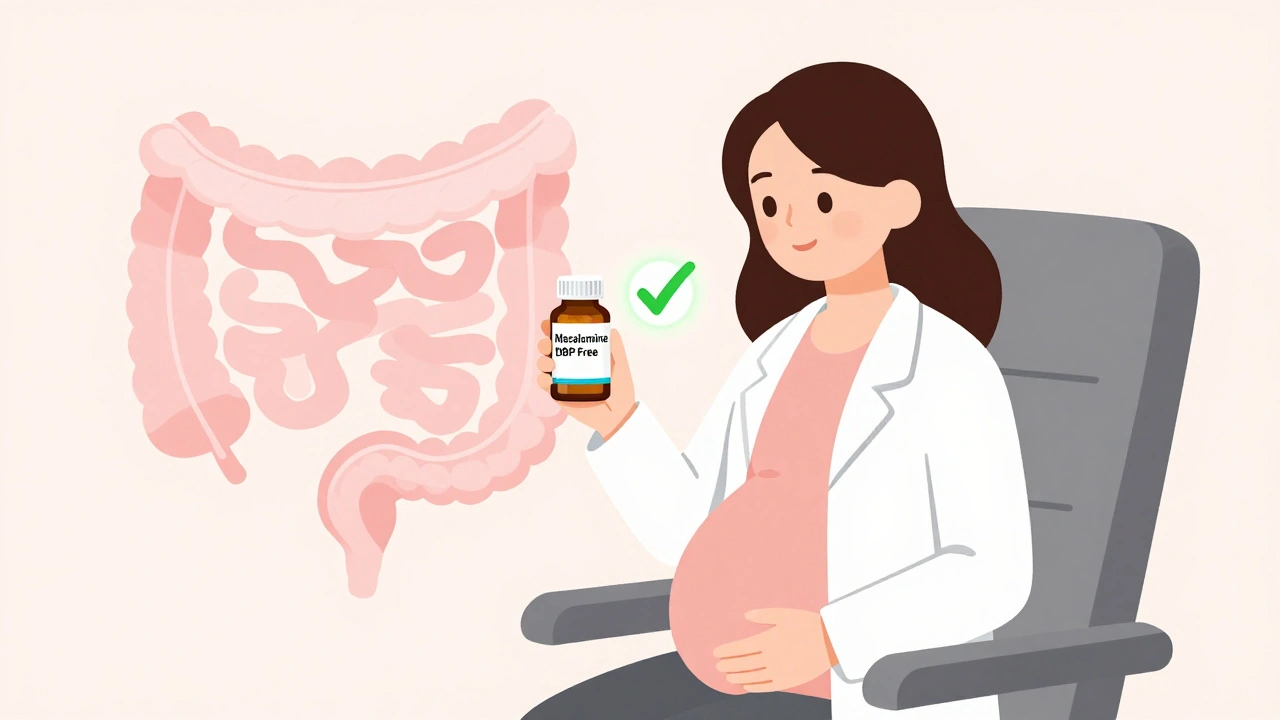
When you have inflammatory bowel disease (IBD) and are planning a pregnancy, the biggest question isn’t just can you get pregnant-it’s can you stay safe while doing it. The truth is, many women with Crohn’s disease or ulcerative colitis have healthy pregnancies and healthy babies. But the fear of medications harming the baby often leads people to stop treatment-and that’s where the real danger lies.
Uncontrolled IBD Is Riskier Than Most Medications
It’s easy to assume that stopping your IBD meds during pregnancy is the safest choice. But research shows the opposite. If your IBD is active when you conceive, your chances of preterm birth jump by 2.3 times. Low birth weight becomes 1.8 times more likely. Stillbirth risk goes up by 1.6 times. These aren’t small numbers-they’re life-changing risks.
Studies tracking over 1,500 pregnancies in women with IBD (like the PIANO registry) confirm that staying in remission is the single most important factor for a healthy outcome. Your baby’s safety isn’t just about what’s in your pills-it’s about whether your gut is quiet or raging. A flare during pregnancy can lead to hospitalizations, poor nutrition, and even emergency delivery. Medications, when chosen correctly, help prevent that.
Safe Medications: What You Can Keep Taking
Not all IBD drugs are created equal when it comes to pregnancy. Some are well-studied and proven safe. Others? Not so much.
Aminosalicylates (5-ASAs) like mesalamine and sulfasalazine are the backbone of IBD treatment during pregnancy. Major guidelines from the Crohn’s & Colitis Foundation and the European Crohn’s and Colitis Organisation (ECCO) agree: keep taking them. But here’s the catch: not all mesalamine brands are equal.
Some older versions, like Asacol HD, use a coating called dibutyl phthalate (DBP). Animal studies and human case reports link DBP to genital malformations in male babies. That’s why you need to switch to a DBP-free version-like Lialda, Delzicol, or Apriso-before you get pregnant. Your doctor can help you make the switch without triggering a flare.
Sulfasalazine is also safe, but it blocks folate absorption. That’s why you’ll need a higher dose of folic acid-5 mg daily-starting at least three months before conception. Folic acid isn’t just a supplement here; it’s a critical part of your treatment plan.
Biologics: The Best-Supported Options
If you’re on a biologic, don’t panic. Anti-TNF drugs like infliximab and adalimumab have been studied in over 2,000 pregnancies. The data? No increase in birth defects. No spike in preterm births. No higher rates of miscarriage. In fact, the rate of major congenital anomalies in babies exposed to anti-TNFs (2.6%) is nearly identical to the general population (2.8%).
Vedolizumab, a gut-specific biologic, has data from over 100 pregnancies. Early concerns about lower live birth rates disappeared once researchers adjusted for disease activity. If your IBD is under control, vedolizumab is a solid choice. Ustekinumab (Stelara) is now supported by data from nearly 700 pregnancies. No red flags. No increased risks. And newer agents like risankizumab are showing similar promise.
One practical tip: If you’re on an anti-TNF, your doctor might suggest delaying your last dose until week 30-32 of pregnancy. Why? To reduce how much drug passes to your baby before birth. But don’t stop early unless your doctor says so. Stopping too soon can cause a flare.
Medications to Avoid or Stop Before Conception
Some drugs have no place in pregnancy. Period.
Methotrexate is a known teratogen. It causes severe birth defects in 17-27% of exposed pregnancies. If you’re on it, you need to stop at least three months before trying to conceive. Switching to azathioprine or a biologic is standard practice.
Thalidomide is banned in pregnancy for good reason-it caused thousands of limb deformities in the 1950s. It has no role in IBD treatment today, but if you’ve ever taken it for another condition, make sure your doctor knows.
JAK inhibitors like tofacitinib and upadacitinib are newer. Small studies show no clear harm, but experts still recommend stopping them at least one week (for tofacitinib) or four to six weeks (for upadacitinib) before conception. Why? Because they affect the JAK-STAT pathway, which is critical in early fetal development. Even if the risk is low, we don’t have enough long-term data to say it’s zero.
What About Steroids and Immunosuppressants?
Corticosteroids like prednisone are sometimes needed to control flares. But they’re not ideal in early pregnancy. Taking them during the first trimester is linked to a 1.4 to 2.3 times higher risk of cleft lip or palate. Use them only if absolutely necessary-and only for the shortest time possible.
Azathioprine and 6-mercaptopurine (6-MP) are immunosuppressants often used long-term. They’re considered safe during pregnancy. Studies show no increase in birth defects. You can keep taking them. Your doctor will monitor your blood counts, but you don’t need to stop.
Planning Ahead: Timing Matters
Don’t wait until you’re pregnant to talk about meds. The best outcomes happen when you plan ahead.
Experts recommend achieving remission-ideally with endoscopic healing-for at least three months before conceiving. That means seeing your gastroenterologist, getting a colonoscopy if needed, and adjusting your treatment plan before you stop birth control.
Work with both your GI doctor and your OB-GYN. Many women are surprised to learn their OB doesn’t know the latest IBD guidelines. Bring printed copies of the 2023 Helmsley PIANO guidelines or ECCO 2024 recommendations. Ask for a joint appointment if possible.
Start folic acid. Stop smoking. Avoid alcohol. Eat well. These are all part of the plan-not just the meds.
After Birth: Breastfeeding and Vaccines
Most IBD medications are safe while breastfeeding. Infliximab, adalimumab, vedolizumab, and ustekinumab don’t pass into breast milk in significant amounts. Even mesalamine and azathioprine are considered low-risk. Sulfasalazine might pass a tiny bit, but no cases of harm to babies have been reported.
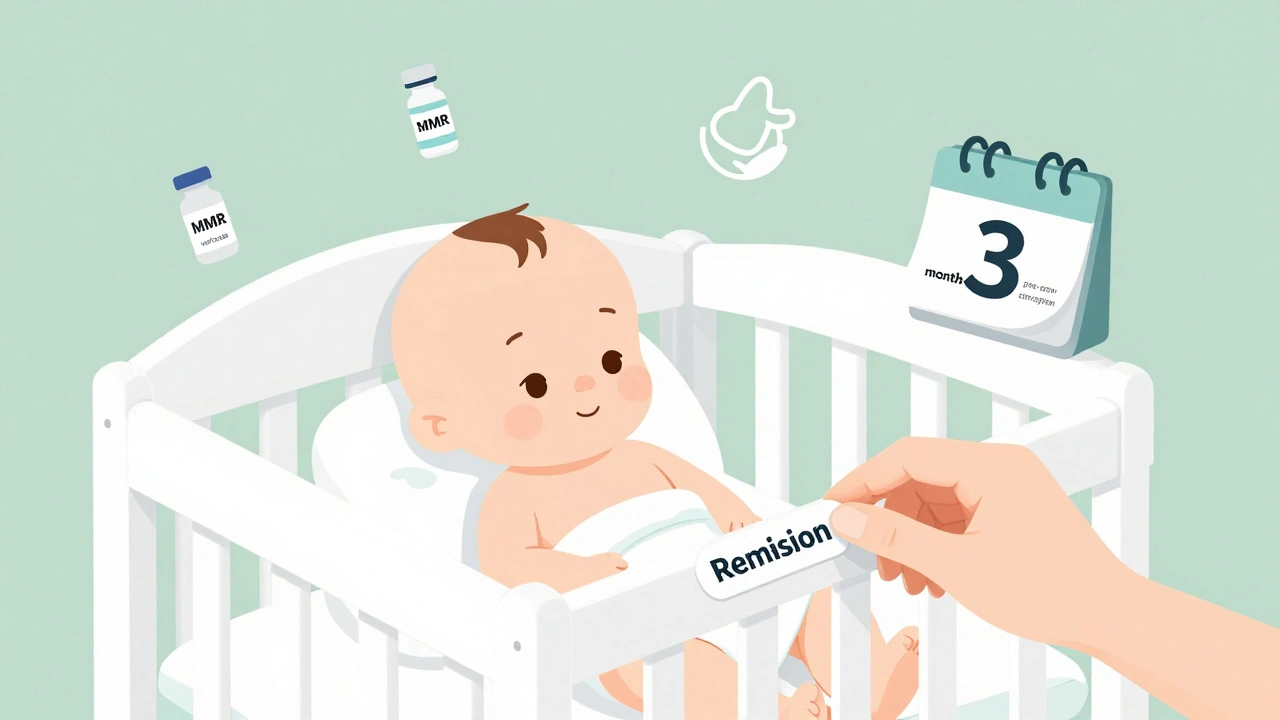
And here’s something many parents don’t know: your baby can still get all routine vaccines, even live ones like MMR and varicella. IBD medications you took during pregnancy don’t make your baby immunocompromised. No need to delay vaccines.
What’s Changing in 2025?
The science is moving fast. New drugs like mirikizumab (approved by the FDA in May 2024) now come with mandatory pregnancy registries. The VERSA study, tracking 200 women on vedolizumab through pregnancy and into their child’s second year, will release results soon. And by mid-2025, a shared decision-making tool will be available for doctors and patients to weigh risks and benefits together-based on real data, not guesswork.
Pharmaceutical companies are investing millions to fill the gaps. That’s because the old assumption-that pregnant women with IBD should just ‘tough it out’-is finally being replaced with science-backed care.
What You Should Do Right Now
- If you’re trying to get pregnant: Schedule a preconception visit with your GI specialist.
- If you’re on methotrexate or thalidomide: Stop now and switch to a safer option.
- If you’re on Asacol HD or similar: Ask for a DBP-free mesalamine alternative.
- If you’re on a JAK inhibitor: Talk about switching before conception.
- If you’re in remission: Keep taking your meds. Don’t stop.
- If you’re having a flare: Don’t delay treatment. Get help now.
The goal isn’t to be medication-free during pregnancy. It’s to be disease-free. And that’s something you can-and should-achieve with the right support.
Can I get pregnant if I have IBD?
Yes, absolutely. Most women with IBD can conceive without difficulty. Fertility is usually normal when the disease is in remission. Active IBD can reduce fertility slightly, but that’s reversible with proper treatment. The bigger concern isn’t getting pregnant-it’s staying healthy during pregnancy.
Is it safe to continue biologics during pregnancy?
Yes, for most biologics. Anti-TNFs like infliximab and adalimumab have been studied in over 2,000 pregnancies with no increase in birth defects. Vedolizumab and ustekinumab also show strong safety data. Stopping them increases your risk of a flare, which is far more dangerous than the medication. Your doctor may adjust timing in the third trimester to reduce baby’s exposure, but don’t stop without guidance.
What if I have a flare during pregnancy?
Don’t wait. A flare can lead to preterm labor, low birth weight, or even stillbirth. Treatment is still safe-most IBD medications are approved for use during pregnancy. Your doctor may use steroids short-term if needed, but the goal is to get you back on your regular, safer meds as soon as possible. Delaying treatment puts both you and your baby at risk.
Should I stop my meds if I’m breastfeeding?
No. Most IBD medications, including biologics, mesalamine, and azathioprine, pass into breast milk in very small or negligible amounts. No harm has been shown to breastfed infants. Sulfasalazine is generally safe too, though some doctors recommend monitoring the baby for diarrhea. The benefits of breastfeeding far outweigh any theoretical risk from these medications.
Can I have a normal delivery with IBD?
Yes. Most women with IBD deliver vaginally unless there’s a separate medical reason for a C-section-like a perianal fistula or severe rectal inflammation. IBD itself isn’t a reason for a C-section. Your delivery plan should be based on your overall health and obstetric needs, not your IBD diagnosis.
Will my baby inherit IBD?
There’s a slightly increased risk-about 5-10% if one parent has IBD, and up to 30% if both do. But that doesn’t mean your child will definitely get it. Genetics play a role, but environment, diet, and gut health matter too. There’s no proven way to prevent it, but raising your child with a healthy diet, avoiding unnecessary antibiotics, and not smoking can help reduce risk.
Are there any IBD meds that are completely unsafe during pregnancy?
Yes. Methotrexate and thalidomide are absolute no-gos-they cause severe birth defects. Avoid them completely if you’re trying to conceive. JAK inhibitors like tofacitinib and upadacitinib should be stopped before conception due to limited data, even though no major risks have been proven yet. Always check with your doctor before making any changes.
Final Thought: You’re Not Alone
Thousands of women with IBD have had healthy pregnancies. You’re not taking a gamble by staying on your meds-you’re making the smartest choice for your baby. The science is clear: active disease is the enemy. Medications are your shield. Work with your team. Stay informed. And trust the data-not the fear.
Shayne Smith
Just read this whole thing and honestly? I wish my OB had given me this info when I was pregnant. So much fearmongering out there about meds, but the data’s actually reassuring.
olive ashley
Yeah right. 'Safe meds' my ass. Big Pharma’s been hiding the real risks for decades. They don’t want you to know that most of these drugs are just slow-acting toxins disguised as solutions. Your baby’s gut microbiome gets wrecked before birth and no one talks about it. Wake up.
Priya Ranjan
People still don’t understand that stopping meds isn’t ‘natural’-it’s reckless. If you’re too scared to take mesalamine but fine with gluten-filled junk food, you’re not being holistic. You’re being dangerously ignorant.
Gwyneth Agnes
Stop methotrexate. Period.
Max Manoles
This is one of the most clinically accurate, compassionately written pieces on IBD and pregnancy I’ve ever seen. The way it distinguishes between disease activity and drug risk is exactly what’s missing from mainstream maternal health discourse. The PIANO registry data alone should be mandatory reading for every OB-GYN. Kudos to the author for translating complex immunology into actionable, human advice.
Katie O'Connell
While the article presents a compelling argument grounded in contemporary gastroenterological literature, one must nevertheless acknowledge the epistemological limitations inherent in observational cohort studies such as PIANO. The absence of randomized controlled trials in this domain precludes definitive causal inference, and thus, the assertion that medications are ‘safe’ remains, strictly speaking, an extrapolation.
Clare Fox
i keep thinking about how we treat pregnant bodies like fragile glass sculptures instead of actual living systems. like yeah, drugs have risks, but so does screaming stress, poor sleep, and eating nothing but crackers for 9 months. the real villain is the fear. and the doctors who feed it.
Akash Takyar
Thank you for sharing this vital information! It is truly heartening to see evidence-based guidance being made accessible to those who need it most. I urge all women with IBD to consult their healthcare providers early, and to never underestimate the power of preconception planning. Your health is your baby's foundation.
Inna Borovik
Let’s be real-this whole ‘safe meds’ narrative ignores the fact that 20% of women still flare even while on biologics. And now we’re supposed to believe the baby’s fine because the drug didn’t cause a defect? What about long-term neurodevelopment? No one’s tracking that. This feels like a PR campaign disguised as medical advice.
Karen Mitchell
Of course the article says biologics are safe. Who funds this research? Who profits? The same companies that told us thalidomide was harmless too. Trust the system? No thanks.
Chris Park
They say ‘no increased birth defects’-but what about autism? ADHD? Long-term immune dysfunction? The studies are too short. They’re not looking at the full picture. And don’t get me started on the gut microbiome-these drugs sterilize it before birth. You think your kid will be fine? You’re naive.
Billy Schimmel
so you’re telling me i can keep my meds and still breastfeed? and my baby gets vaccines? wow. that’s… actually kinda normal? who knew.
Ibrahim Yakubu
Everyone’s missing the point. The real danger isn’t the drugs-it’s the fact that IBD is being rebranded as a ‘manageable condition’ so they can keep selling you pills for life. They don’t want you healed. They want you dependent. And now they’re pushing this narrative on pregnant women to keep the cash flowing. Think deeper.