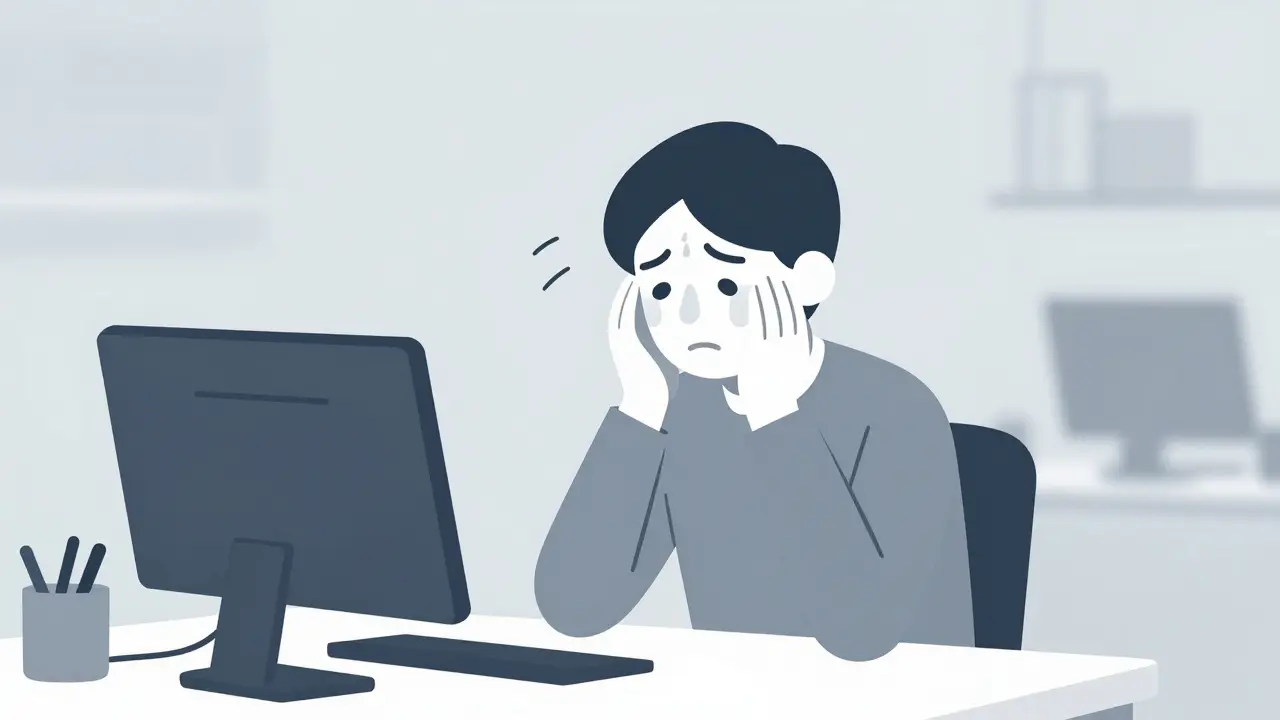
Imagine you are in the middle of a work meeting or driving home when suddenly your hands start shaking, your vision blurs, and you feel like you might pass out. You aren't drunk, and you haven't hit your head. Your body is screaming for fuel because your blood sugar has dropped dangerously low. This condition is called hypoglycemia, which is a pathological state where blood glucose levels fall below safe thresholds, typically under 70 mg/dL (3.9 mmol/L) for people with diabetes. It is not just an uncomfortable feeling; it is a medical emergency that can lead to seizures, unconsciousness, or even death if ignored. While it is most common in people managing diabetes, anyone can experience it. Understanding how to spot the signs, treat them immediately, and prevent future episodes is critical for staying safe.
What Exactly Is Hypoglycemia?
To understand hypoglycemia, you first need to know what 'normal' looks like. For most adults without diabetes, blood sugar stays between 70 and 100 mg/dL when fasting. When we talk about clinical hypoglycemia, we are referring to specific numbers. The American Diabetes Association (ADA) sets the benchmark at below 70 mg/dL (3.9 mmol/L). If your level drops below 54 mg/dL (3.0 mmol/L), it is considered clinically significant and requires immediate action. For people without diabetes, the threshold is lower-usually below 55 mg/dL (3.1 mmol/L)-because their bodies naturally regulate insulin more tightly.
This condition was first recognized as a major risk after the discovery of insulin therapy in 1922 by Frederick Banting and Charles Best. Before then, low blood sugar wasn't a widespread concern because there was no effective treatment for high blood sugar. Today, with millions of people using insulin or certain oral medications, hypoglycemia remains the most frequent acute complication of diabetes care. It happens when there is an imbalance between three things: the food you eat, the physical activity you do, and the diabetes medication in your system.
Recognizing the Symptoms: Two Different Types
Your body reacts to low blood sugar in two distinct ways. Knowing the difference can save your life. These are categorized into adrenergic symptoms and neuroglycopenic symptoms.
Adrenergic symptoms happen early on. Your brain senses the drop in glucose and triggers a release of adrenaline (epinephrine) to try to raise your blood sugar back up. This fight-or-flight response causes:
- Shaking or tremors in your hands
- Sweating (diaphoresis)
- Rapid heartbeat (palpitations)
- Anxiety or a sense of impending doom
- Hunger pangs
These are warning signs. They tell you, "Hey, fix this now." However, many people, especially those who have had diabetes for a long time, lose these warnings. This is called hypoglycemia unawareness, a condition where the body stops producing adrenaline warnings before blood sugar reaches dangerous levels. About 25% of Type 1 diabetes patients develop this after 15 years. Without these warnings, you skip straight to the second type.
Neuroglycopenic symptoms occur when your brain literally doesn't have enough glucose to function. This is serious. Symptoms include:
- Blurred vision
- Confusion or difficulty concentrating
- Dizziness
- Slurred speech
- Weakness or fatigue
- In severe cases: seizures, loss of consciousness, or coma
If you or someone else experiences confusion or slurred speech, do not wait. Treat it as a medical emergency.
Why Does Low Blood Sugar Happen?
The causes differ depending on whether you have diabetes or not. For people with diabetes, the majority of episodes-about 73%-are caused by taking too much insulin or sulfonylurea medication relative to the amount of carbohydrates eaten. Other common triggers include:
- Skipping or delaying meals: If you take insulin but don't eat, your blood sugar will plummet.
- Unplanned exercise: Physical activity uses up glucose. A sudden hike or intense workout without adjusting carbs or meds can cause a rapid drop.
- Alcohol consumption: Alcohol blocks the liver from releasing stored glucose, which can lead to delayed hypoglycemia hours later.
For non-diabetics, hypoglycemia is rarer but still possible. It often falls into two categories: reactive hypoglycemia and fasting hypoglycemia. Reactive hypoglycemia happens 2-4 hours after eating, often due to rapid gastric emptying (common after bariatric surgery). Fasting hypoglycemia occurs when you haven't eaten for a while and may indicate serious underlying issues like an insulinoma (a rare tumor) or liver/kidney failure.
Immediate Treatment: The 15-15 Rule
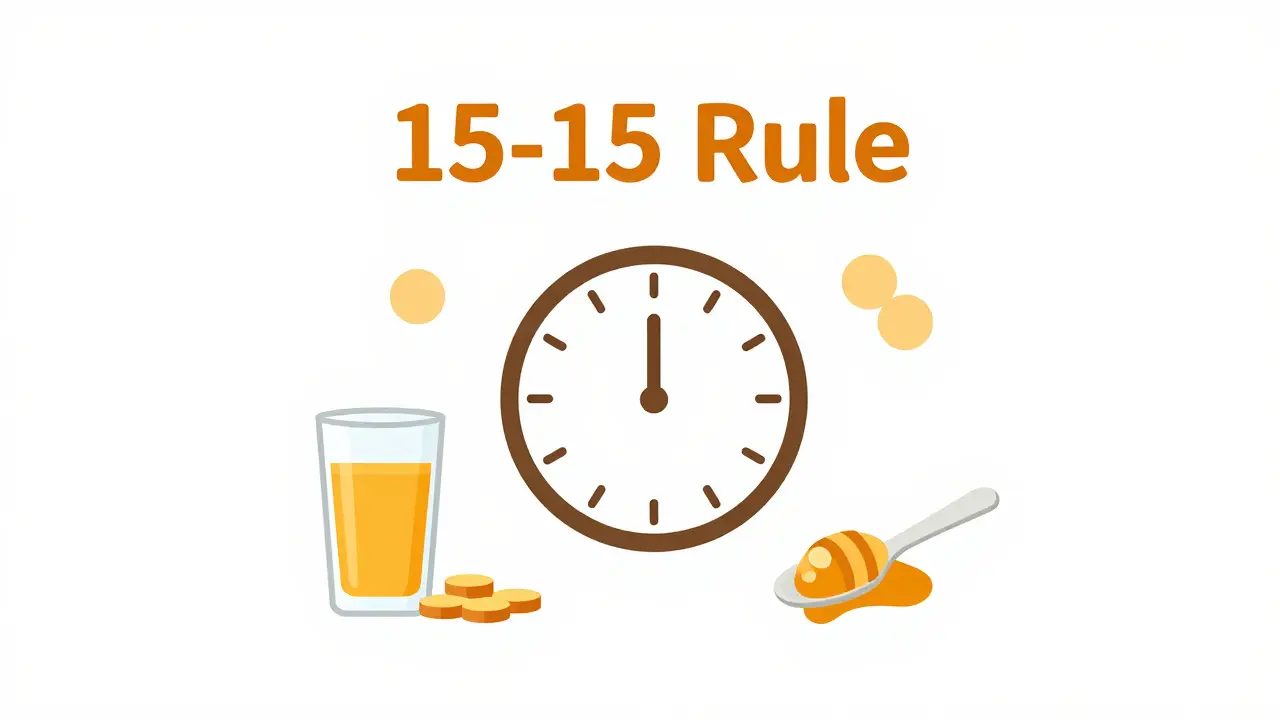
If you suspect your blood sugar is low, check it with a meter or continuous glucose monitor (CGM) if possible. If you cannot check, or if the reading is below 70 mg/dL, act immediately. The gold standard for treatment is the 15-15 Rule, a protocol where you consume 15 grams of fast-acting carbohydrates, wait 15 minutes, and recheck your blood sugar.
Here is how to execute it correctly:
- Eat 15 grams of fast-acting carbs. Good options include:
- 4 ounces (half a cup) of fruit juice or regular soda (not diet).
- 1 tablespoon of honey, sugar, or corn syrup.
- 3-4 glucose tablets.
- 1 tube of gel paste.
- Wait 15 minutes. Do not eat more yet. Glucose takes time to absorb.
- Recheck your blood sugar. If it is still below 70 mg/dL, repeat step 1.
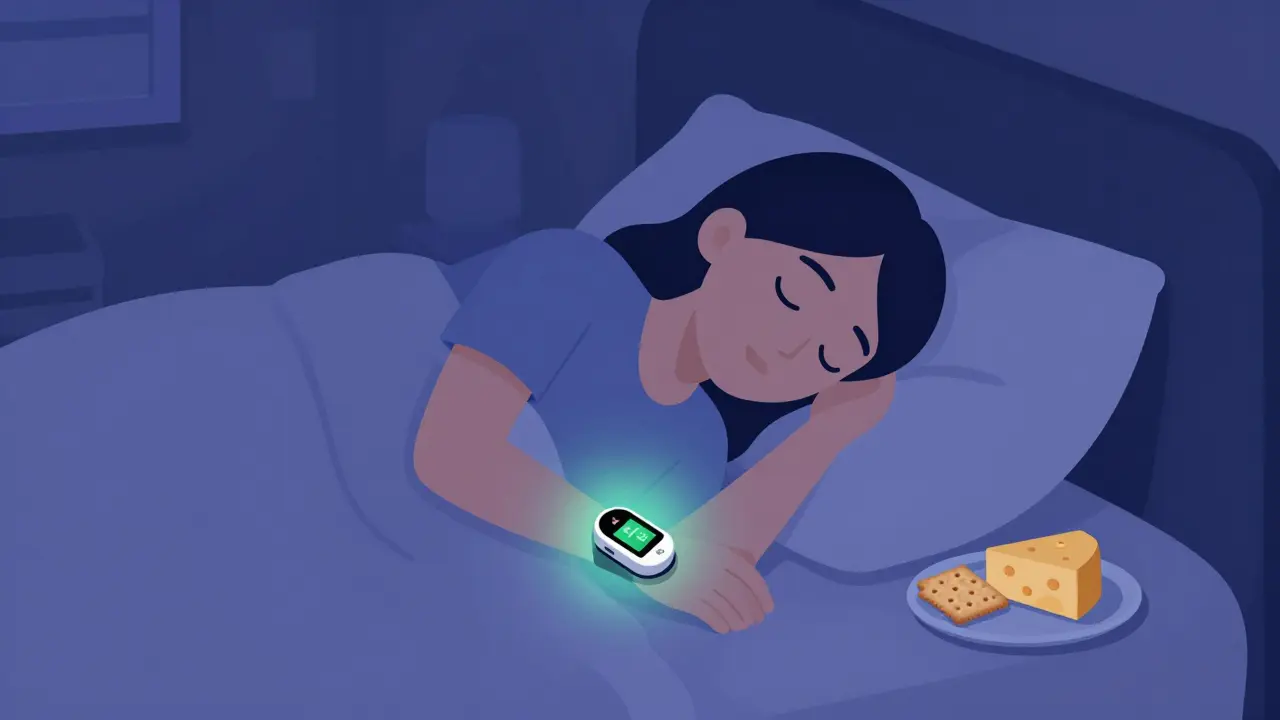
- Once above 70 mg/dL, if your next meal is more than an hour away, eat a small snack with protein and complex carbs (like crackers with cheese) to keep it stable.
Important: Avoid chocolate or candy bars for initial treatment. The fat in chocolate slows down sugar absorption, meaning it won't raise your blood sugar quickly enough.
What If Someone Is Unconscious?
If a person is confused, seizing, or unconscious, they cannot swallow safely. Do not put food or drink in their mouth-they could choke. In this scenario, you need glucagon.
Glucagon is a hormone that signals the liver to release stored glucose into the bloodstream. It is available as an injection or a nasal powder (such as Baqsimi or Zegalogue). Recent studies show that nasal glucagon achieves recovery rates comparable to injections and is easier for bystanders to administer. Call emergency services immediately after administering glucagon, as the person needs medical evaluation.
| Treatment Method | Best Used When | Absorption Speed | Notes |
|---|---|---|---|
| Oral Glucose (Juice/Tablets) | Person is conscious and alert | Fast (15 mins) | Follow the 15-15 rule strictly. |
| Nasal Glucagon | Person is semi-conscious or unable to swallow | Moderate (15-20 mins) | No needle required; easy for family to use. |
| Injectable Glucagon | Severe emergency, unconsciousness | Fast (15 mins) | Requires training to inject properly. |
| IV Dextrose | Hospital setting only | Immediate | Administered by medical professionals. |
Prevention Strategies That Actually Work
Treating hypoglycemia is reactive; preventing it is proactive. Here are evidence-based strategies to reduce your risk.
1. Use Continuous Glucose Monitoring (CGM) Modern technology has changed the game. CGMs like Dexcom or Abbott FreeStyle Libre provide real-time data and alarms. Research shows CGMs reduce hypoglycemia duration by 35%. Set your alarm to trigger at 80 mg/dL so you have time to act before it hits 70 mg/dL.
2. Match Insulin to Activity If you plan to exercise, reduce your basal insulin by 20-50% or eat extra carbs beforehand. For every hour of moderate activity, you may need an additional 15-30 grams of carbohydrates.
3. Be Careful with Alcohol Never drink alcohol on an empty stomach. Always pair drinks with food containing carbs and protein. Monitor your blood sugar closely before bed, as alcohol-induced lows often happen overnight.
4. Educate Those Around You Wear a medical ID bracelet. Teach your family, coworkers, and friends how to recognize symptoms and how to use glucagon. Misdiagnosis is common; people often mistake hypoglycemia for drunkenness or a stroke.
Long-Term Risks and Management
Chronic hypoglycemia isn't just inconvenient; it's dangerous. Frequent severe episodes increase the risk of cardiovascular events and cognitive decline. Studies suggest each severe episode in older adults increases dementia risk by nearly 5%. Furthermore, nocturnal hypoglycemia (low blood sugar at night) is linked to a phenomenon called 'dead-in-bed' syndrome, though rare, it highlights the severity of untreated nighttime lows.
To mitigate this, work with your healthcare provider to adjust your medication targets. Older adults or those with hypoglycemia unawareness may benefit from slightly higher A1C targets to avoid dangerous lows. The goal is balance, not perfection.
Can you have hypoglycemia without having diabetes?
Yes, but it is less common. Non-diabetic hypoglycemia usually occurs after meals (reactive) or during fasting periods. Causes can include hormonal deficiencies, kidney or liver disease, tumors like insulinomas, or side effects from certain medications. If you experience frequent low blood sugar without diabetes, see a doctor to rule out underlying conditions.
How long does it take for blood sugar to return to normal after treatment?
With proper treatment using fast-acting carbs, blood sugar should rise within 15 minutes. If you use glucagon, it typically takes 15-20 minutes for the person to regain consciousness. Always recheck levels after 15 minutes to ensure they stay above 70 mg/dL.
What is hypoglycemia unawareness?
Hypoglycemia unawareness is a condition where the body stops producing the early warning signs of low blood sugar, such as shaking or sweating. This happens frequently in people with long-standing diabetes. It makes severe hypoglycemia more likely because the person doesn't realize their levels are dropping until they become confused or unconscious.
Is chocolate good for treating low blood sugar?
No. Chocolate contains fat, which slows down the absorption of sugar into the bloodstream. For immediate relief, you need simple sugars that absorb quickly, such as fruit juice, glucose tablets, or regular soda. Save the chocolate for later as part of a balanced snack once your levels are stable.
How can I prevent nighttime hypoglycemia?
Check your blood sugar before bed. If it is trending downward or below 100 mg/dL, have a small snack with protein and complex carbs. Using a CGM with nighttime alarms is highly effective. Also, avoid excessive exercise late in the day or drinking alcohol right before sleep.