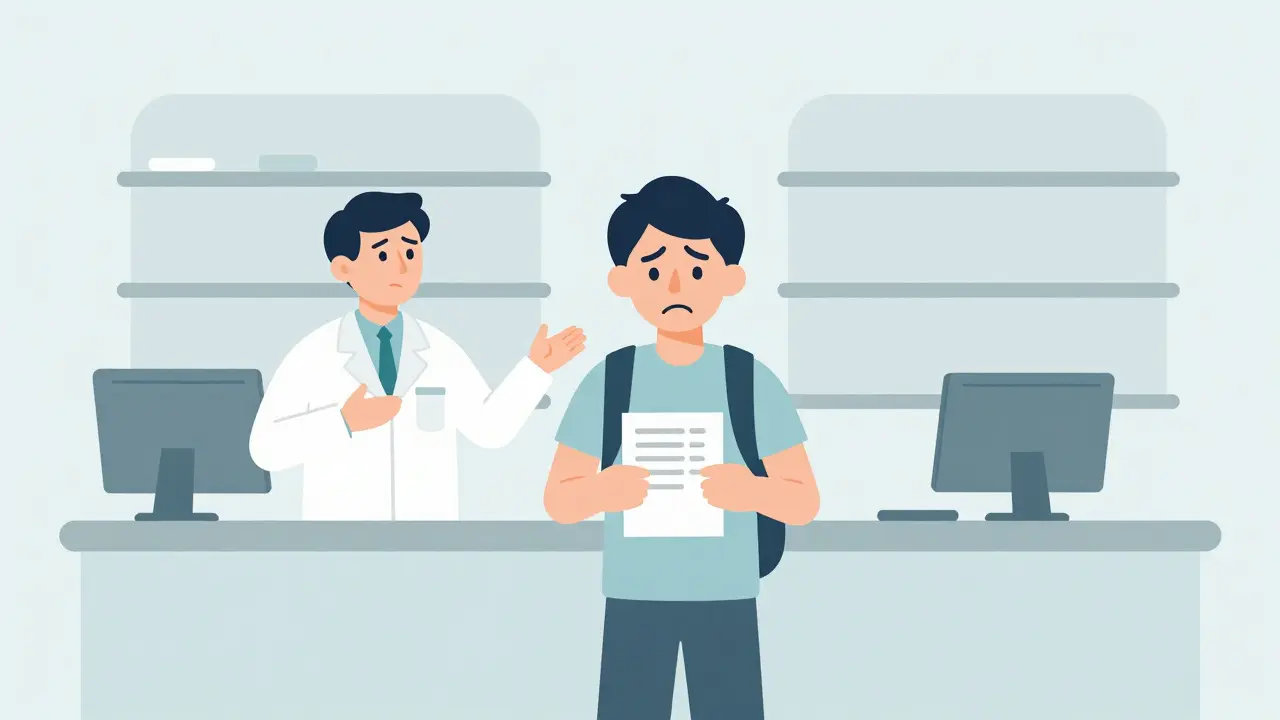
You are standing in a pharmacy in Tokyo, Paris, or Buenos Aires. You have a prescription in your pocket, but the pharmacist looks confused. The brand name on your paper doesn't exist there. The dosage format is different. Your heart rate spikes because you need this medicine right now. This is not a movie scene; it is a common reality for millions of travelers every year.
Medication translation is not just about swapping words. It is about safety. A mistake here can lead to an overdose, a lack of treatment, or a dangerous reaction. When you travel, you carry your health with you. Understanding how to translate medication names and doses correctly is the single most important skill for managing chronic conditions or acute injuries abroad.
Why Brand Names Fail You Abroad
The biggest trap travelers fall into is relying on brand names. In the United States, you might buy Advil for a headache. In France, that same active ingredient is sold as Ibuprofène. In Poland, you might see Abfen. If you ask for "Advil" in Paris, the pharmacist might give you nothing, or worse, something completely different that sounds similar.
This confusion gets deadly when names sound alike but treat different conditions. Take Ambien, a sleep aid popular in the U.S. Now look at Ambyen, a medication used in Great Britain for irregular heartbeat. One letter difference. Two very different effects. If you confuse these two while traveling, the consequences could be severe.
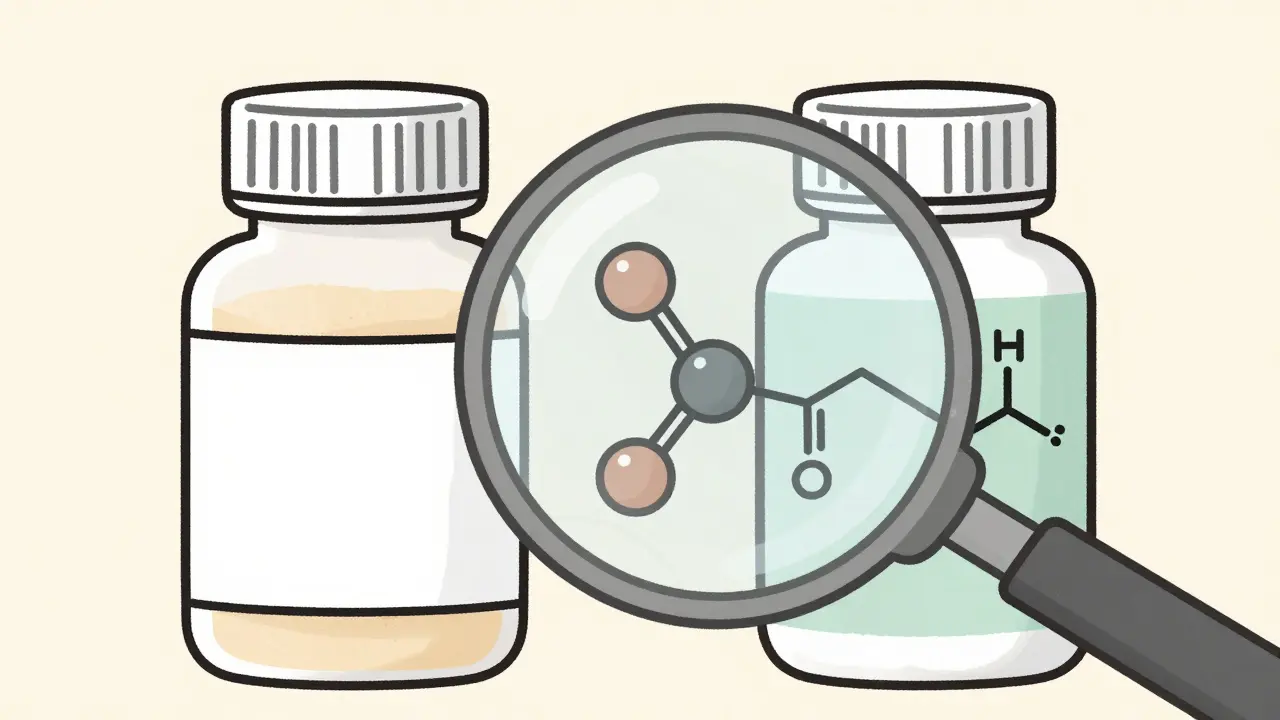
To avoid this, you must stop thinking in brands and start thinking in ingredients. Every pill has an active ingredient. This is the chemical that does the work. Manufacturers wrap this ingredient in a brand name for marketing. That brand name changes from country to country. The ingredient stays the same.
- Identify the Active Ingredient: Look at your bottle or prescription. Find the name in italics or small print. For example, if you take Lipitor, the active ingredient is atorvastatin.
- Use the INN System: The World Health Organization created the International Nonproprietary Name (INN) system. This gives every active ingredient a standard global name. Atorvastatin is atorvastatin everywhere. Ask your doctor for the INN name before you leave.
- Avoid Slang: Never use street names or nicknames for drugs. Stick to the scientific names written on the label.
Decoding Dosages and Units
Knowing the drug name is only half the battle. You also need to get the dose right. Dosage errors are one of the leading causes of medication mistakes during travel. Different countries use different formats for numbers and measurements.
In many European countries, they use a comma as a decimal separator. So, "1,5 mg" means one and a half milligrams. In the U.S., we use a period: "1.5 mg." If you misread a comma as a period, or vice versa, you could take ten times the intended dose or one-tenth of it. Both are dangerous.
Pay attention to the units too. Some countries still use grains or other archaic measures, though this is rare. Most modern pharmacies use milligrams (mg), micrograms (mcg or µg), or liters (L). Make sure you know which unit your prescription uses.
| Issue | U.S./UK Format | European/International Format | Risk |
|---|---|---|---|
| Decimal Separator | 5.0 mg | 5,0 mg | Misreading magnitude |
| Date Format | MM/DD/YYYY | DD/MM/YYYY | Expired medication use |
| Frequency Terms | BID (twice daily) | Locally specific terms | Over/under dosing |
Always write out the full instruction. Instead of just "5 mg," write "Take one tablet containing 5 mg twice a day." This removes ambiguity. If your prescription says "q.d." (once a day), spell it out. Latin abbreviations are being phased out in the U.S. for safety reasons, but they are still common globally. Don't assume the foreign pharmacist knows what "q.i.d." means to you.
The Traveler's Toolkit: What to Pack
You cannot rely on memory or a phone app alone. Technology fails. Batteries die. Internet connections drop. You need physical backups. Here is what you should prepare at least two weeks before your trip.
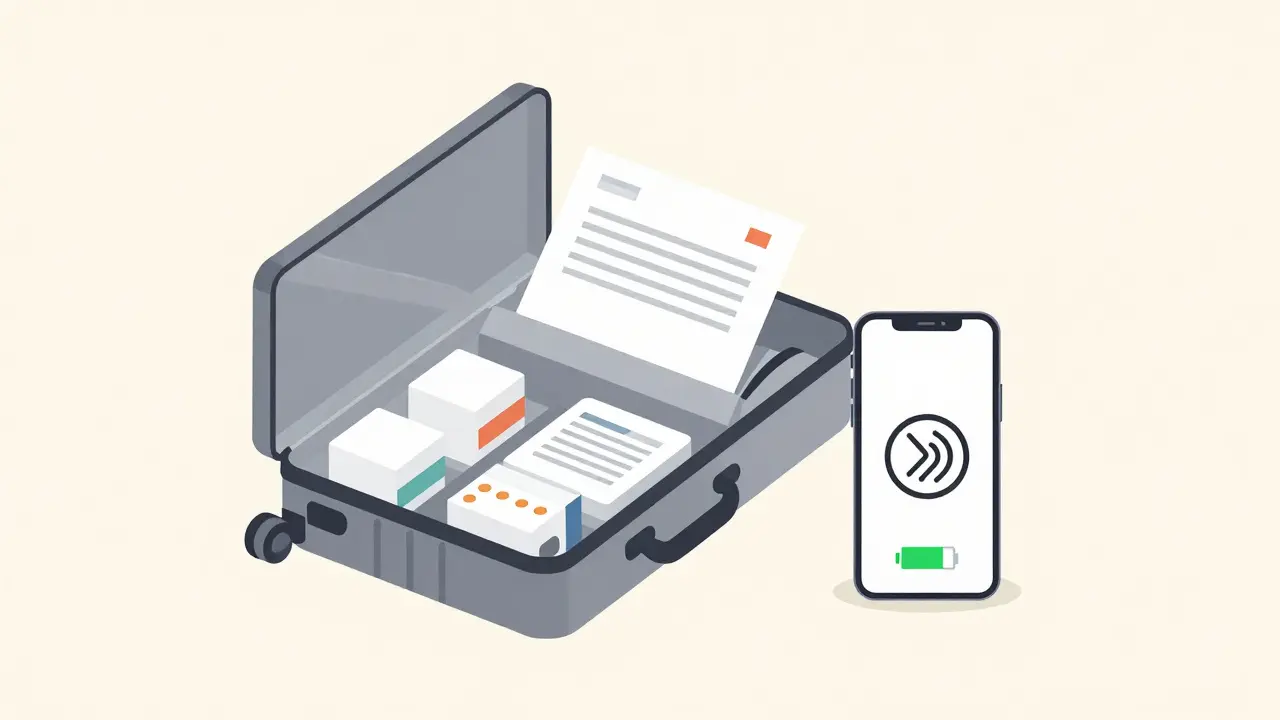
- A Doctor's Letter: Get a letter from your primary care physician. It should state your diagnosis, the medications you take, the generic names, the dosages, and the frequency. Have it signed and dated. Carry this in your carry-on luggage, never in checked bags.
- Original Packaging: Keep your medications in their original bottles. Do not transfer them to generic pill organizers until you arrive at your destination, and even then, keep the original box handy. The box shows the manufacturer, the batch number, and the exact composition.
- Translation Card: Create a simple card in the local language of your destination. List your allergies, your conditions, and your meds. Use a professional translator for this, not Google Translate. Medical terminology is precise. A mistranslated allergy list can kill you.
- Digital Backup: Save photos of your prescriptions and the doctor's letter in your cloud storage. Also, save them offline on your phone. Apps like Drugs.com have international databases that can help you find equivalents, but always verify with a pharmacist.
Navigating Local Pharmacy Regulations
Not all medicines are available everywhere. Some drugs are banned, some require a specialist's referral, and some are simply not manufactured in certain regions. Before you go, check the regulations of your destination.
In some countries, antibiotics are available over the counter. In others, they are strictly controlled. Bringing large quantities of controlled substances, like opioids or strong ADHD medications, can get you arrested at customs. Check the embassy website of the country you are visiting. They usually have a section on prohibited medications.
If you run out of medication, do not try to self-medicate with what you find on the shelf. Go to a licensed pharmacy. Look for signs that say "Pharmacie," "Farmacia," or the green cross symbol common in Europe. Speak to the pharmacist directly. Show them your doctor's letter and the original packaging. Explain clearly: "I need a refill of this medication. Here is the generic name and dose."
If the exact brand is unavailable, ask for the generic equivalent. Pharmacists are trained to identify substitutes based on the active ingredient. If they offer a substitute, ask them to confirm the strength matches your prescription exactly.
When to Use Professional Translation Services
For complex regimens-where you take multiple drugs with interacting schedules-professional help is worth the cost. General translation apps often miss nuances. They might translate "take with food" as "eat with food," which is vague. Or they might confuse "sublingual" (under the tongue) with "oral" (swallowed).
Certified medical translators understand these distinctions. Services like RxTran or Stepes provide verified translations for prescriptions and patient instructions. While these services are primarily designed for hospitals and large pharmacies, individual patients can sometimes access certified translation documents through their healthcare providers. If you have a complex condition, ask your hospital's international patient department if they can provide a translated medication guide.
Remember, the goal is clarity. If the pharmacist hesitates or asks repeated questions, slow down. Use gestures. Point to the clock to show time. Draw a simple chart. Communication is key. Your health depends on it.
Red Flags to Watch For
Be skeptical of unofficial sources. Do not buy medication from street vendors, hotels, or unlicensed shops. Counterfeit drugs are a major issue in many tourist destinations. These pills may contain no active ingredient, wrong ingredients, or harmful contaminants.
If the price seems too good to be true, it probably is. If the packaging looks damaged, misspelled, or lacks clear labeling, walk away. Always buy from established pharmacies with licensed pharmacists behind the counter.
Finally, listen to your body. If you feel unusual side effects after switching to a local equivalent, stop taking it and seek medical advice immediately. Differences in inactive ingredients (fillers, dyes) can sometimes cause reactions, even if the active drug is correct.
Can I use Google Translate for my prescription?
No, you should not rely solely on Google Translate for prescriptions. AI tools often misinterpret medical abbreviations, dosage units, and context. A mistranslation could lead to serious health risks. Use it only for basic communication, but always verify drug names and doses with a human pharmacist or a certified medical translator.
What is the INN name and why does it matter?
The International Nonproprietary Name (INN) is the generic name for a pharmaceutical substance assigned by the World Health Organization. It matters because brand names change by country, but the INN remains the same globally. Using the INN ensures you get the correct active ingredient regardless of where you are.
How much medication can I carry in my carry-on?
You should carry enough medication for your entire trip plus a few extra days in case of delays. Keep it in your carry-on bag, never in checked luggage. Bring it in its original packaging with the pharmacy label intact. Carry a doctor's note explaining your need for the medication, especially for liquids or injectables.
What if my medication is banned in the country I'm visiting?
If your medication is banned, do not bring it. Contact your doctor before you travel to discuss alternative treatments that are legal in your destination. Some countries allow exceptions with prior authorization from their health ministry, but this process takes time. Plan ahead to avoid legal trouble or lack of treatment.
Do I need a prescription to refill meds abroad?
Yes, in most countries, you need a valid prescription to refill prescription-strength medications. Over-the-counter drugs may vary by region. Always carry your original prescription and a doctor's letter. Some countries require the prescription to be recent (e.g., issued within the last 6 months). Check local laws before you go.