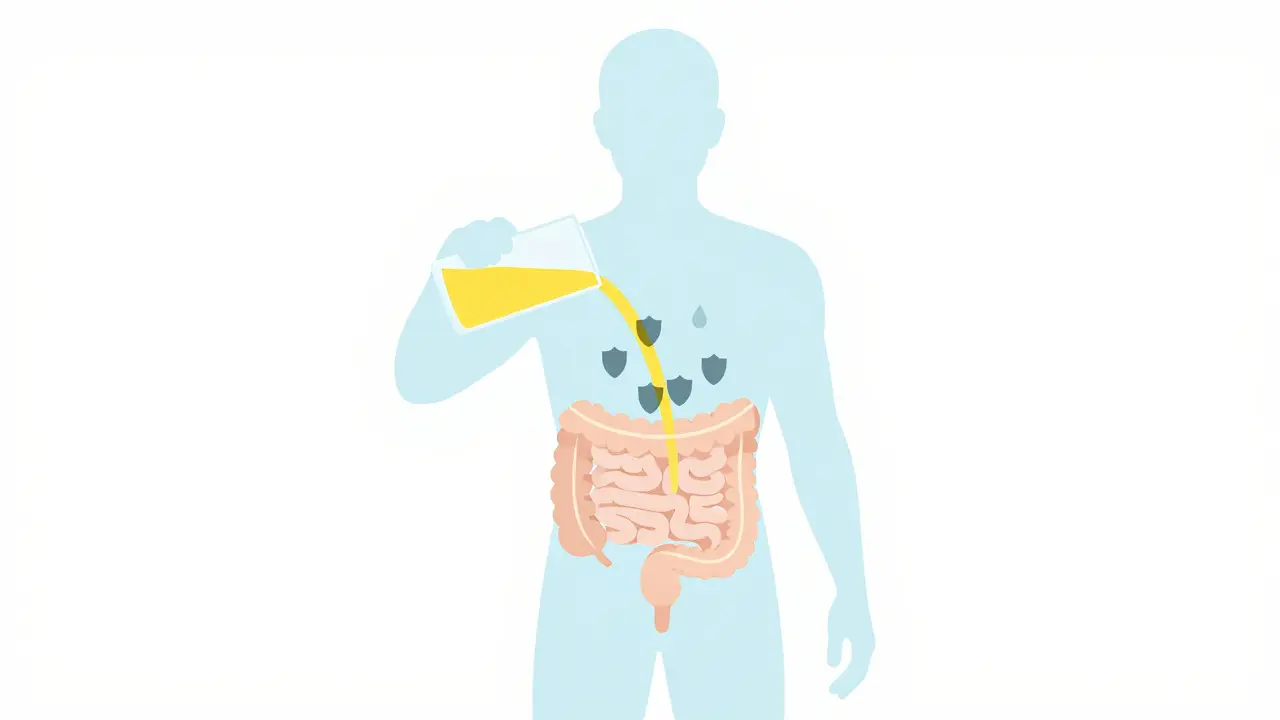
You pour yourself a fresh glass of orange juice for breakfast. It’s bright, tangy, and feels like the perfect start to your day. But if that glass actually contains grapefruit juice, you might be setting off a silent alarm in your body-especially if you take prescription medications. This isn’t just an old wives’ tale or a minor dietary suggestion. It is a well-documented, clinically significant interaction that can turn a standard dose of medicine into a toxic overdose.
The relationship between grapefruit and drugs is not about "canceling out" the medicine. It is the opposite. Grapefruit juice stops your body from breaking down certain drugs, causing them to build up in your bloodstream to dangerous levels. For some people, a single glass can mean the difference between effective treatment and a hospital visit. Understanding exactly how this works, which drugs are involved, and what alternatives exist is critical for anyone managing chronic health conditions.
The Science Behind the Danger: How Grapefruit Blocks Metabolism
To understand why grapefruit is so problematic, we have to look at what happens inside your small intestine. When you swallow a pill, your body doesn’t just absorb it directly into your blood. First, enzymes in your gut work to break down a portion of the drug before it enters your system. This process helps regulate how much medicine reaches your organs.
The primary enzyme responsible for this job is called cytochrome P450 3A4 (or CYP3A4). This enzyme metabolizes approximately 50% of all orally administered drugs. Think of CYP3A4 as a gatekeeper that controls the flow of medication into your bloodstream.
Grapefruit juice contains natural compounds known as furanocoumarins. The two most potent types are bergamottin and 6',7'-dihydroxybergamottin. When these furanocoumarins enter your intestine, they bind to the CYP3A4 enzymes and shut them down. Crucially, this inhibition is irreversible. Your body cannot simply "turn on" the enzyme again; it has to manufacture entirely new ones to replace the disabled ones.
This manufacturing process takes time. Clinical studies show that a single 200-milliliter (about 6.7 ounces) glass of grapefruit juice can inhibit intestinal CYP3A4 by nearly half within four hours. The effects peak at 24 hours and can last for 24 to 72 hours. This means spacing out your medication and your juice won't help. If you drink grapefruit juice in the morning and take your pill at night, the enzyme is still inhibited. The U.S. Food and Drug Administration (FDA) explicitly states that patients must avoid consuming grapefruit for the entire duration of their treatment with affected medications.
Which Medications Are Most Dangerous?
Not every drug interacts with grapefruit, but the list of those that do is long and includes many common prescriptions. As of recent data, more than 85 prescription medications available in North America are documented to interact significantly with grapefruit products. Of these, dozens can cause life-threatening adverse effects.
| Medication Class | Common Drug Names | Risk Level / Effect |
|---|---|---|
| Statins (Cholesterol) | Simvastatin (Zocor), Atorvastatin (Lipitor) | High: Simvastatin levels can triple, increasing risk of rhabdomyolysis (muscle breakdown). |
| Calcium Channel Blockers (Blood Pressure) | Felodipine (Plendil), Nifedipine (Procardia) | Very High: Felodipine exposure can increase 5-fold, risking severe low blood pressure. |
| Immunosuppressants | Cyclosporine (Neoral) | Critical: Can increase drug exposure by 50-60%, leading to kidney damage. |
| Antiarrhythmics (Heart Rhythm) | Amiodarone (Cordarone) | Moderate-High: Increases plasma concentration by 30-40%, risking fatal arrhythmias. |
| Antihistamines | Fexofenadine (Allegra) | Moderate: Reduces absorption, making the drug less effective. |
Among these, statins are particularly notable because they are so widely prescribed. For example, taking simvastatin with grapefruit juice increases the risk of rhabdomyolysis-a condition where muscle tissue breaks down and releases harmful proteins into the blood, potentially causing kidney failure. The risk jumps from roughly 0.04 cases per 100 person-years to 0.44 when combined with daily grapefruit consumption. However, not all statins are equal in this regard. Pravastatin and rosuvastatin do not rely heavily on the CYP3A4 pathway, so they generally do not interact with grapefruit. Always check the specific name of your statin.
Why Timing and Quantity Don't Solve the Problem
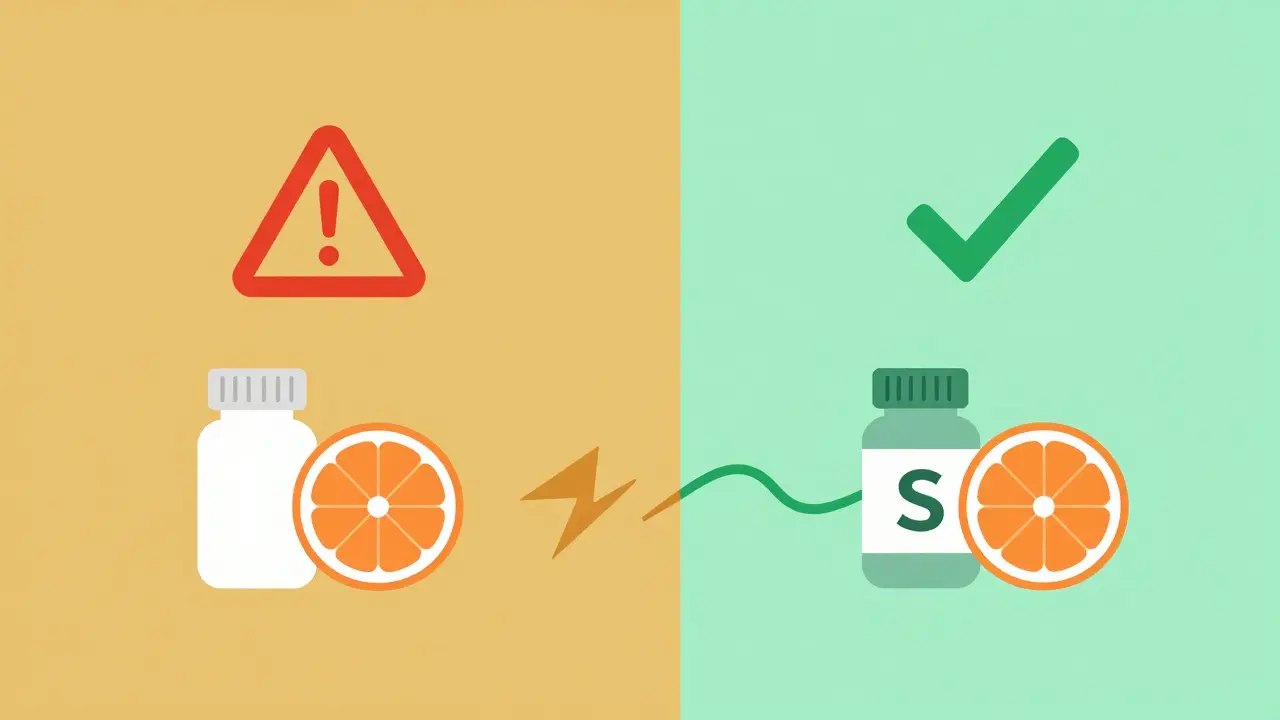
A common misconception is that you can safely consume grapefruit if you just wait a few hours after taking your pill. This logic fails because of the mechanism described earlier: the enzyme destruction is long-lasting. Since your body needs up to three days to regenerate enough functional CYP3A4 enzymes, separating the juice and the pill by even 12 hours offers little protection.
Quantity also plays a tricky role. While it seems logical that a larger amount of juice would cause more harm, individual susceptibility varies wildly. In one clinical study, participants who drank 250mL of grapefruit juice showed systemic drug concentrations ranging from zero change to eight times higher compared to those who drank water. This unpredictability is terrifying for clinicians. You cannot predict whether you are someone whose body will mildly react or severely overreact based on genetics alone. People with naturally higher baseline levels of CYP3A4 in their intestines often experience greater increases in drug bioavailability because there are more enzymes to disable.
Furthermore, the variety of grapefruit matters. White grapefruit tends to contain higher levels of furanocoumarins than red varieties. Processing methods also influence potency; fresh-squeezed juice typically has a stronger effect than pasteurized versions, though canned juices are not guaranteed to be safe. Because of this variability, medical experts recommend complete avoidance rather than trying to calculate a "safe" serving size.
Hidden Sources: It’s Not Just Fresh Juice
If you stop drinking bottled grapefruit juice, you might think you’re safe. But furanocoumarins hide in other citrus fruits and food products. The FDA and European Medicines Agency warn that the following items contain similar active compounds:
- Pomelos: These large, pink-fleshed citrus fruits are closely related to grapefruits and contain high levels of bergamottin.
- Seville Oranges: Unlike sweet navel oranges, Seville oranges are bitter and commonly used in traditional marmalades. They pose the same risk as grapefruit.
- Bergamot Oranges: Often used in Earl Grey tea and flavorings, these also contain furanocoumarins.
- Limes: Some varieties may contain trace amounts, though the risk is generally lower than grapefruit or pomelo.
Sweet oranges, lemons, and regular limes are generally considered safe. However, if you buy pre-made juices or smoothies, always check the ingredient label. Many commercial blends mix grapefruit with other juices, creating a hidden trap for unsuspecting patients.
What Should You Do? A Practical Action Plan
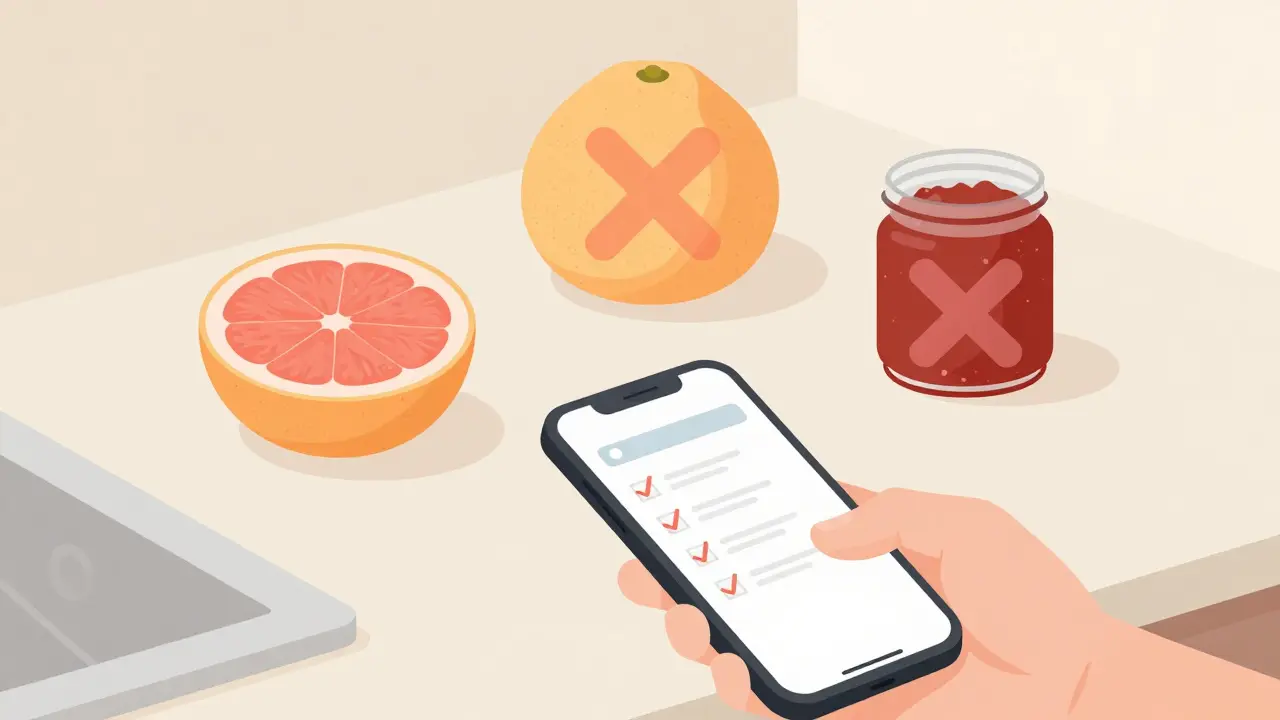
If you are currently taking medication, do not panic, but do take action immediately. Here is a step-by-step approach to managing this risk:
- Compile a Complete List: Write down every prescription drug, over-the-counter medication, and supplement you take. Include dosages and frequencies.
- Consult Your Pharmacist: Pharmacists are highly trained in drug interactions. A 2021 study found that 89% of community pharmacists routinely screen for grapefruit interactions. Ask them specifically: "Does any of my medication interact with CYP3A4 inhibitors?"
- Check the Label: Since 2014, the FDA has required manufacturers to include grapefruit interaction warnings in prescribing information for affected drugs. Look for phrases like "avoid grapefruit" or "may interact with grapefruit juice" in the patient information leaflet.
- Discuss Alternatives: If you love grapefruit and need a high-risk medication, ask your doctor about switching to a safer alternative. For instance, if you are on simvastatin, pravastatin might be a suitable substitute. If you are on cyclosporine, tacrolimus has less dependence on the CYP3A4 pathway.
- Monitor Symptoms: If you accidentally consume grapefruit while on interacting meds, watch for signs of toxicity. These can include extreme fatigue, muscle pain, irregular heartbeat, dizziness, or nausea. Seek medical attention if symptoms arise.
For older adults, caution is even more critical. The American Geriatrics Society warns that seniors aged 65 and above should exercise extreme care. This demographic represents a large portion of grapefruit consumers but also tends to take multiple medications (polypharmacy), increasing the likelihood of a dangerous overlap.
Future Outlook: Will Safe Grapefruit Exist?
Science is working on a solution. Researchers at the USDA's Agricultural Research Service announced in late 2023 that they had developed CRISPR-edited grapefruit varieties with 90% reduced furanocoumarin content. These modified fruits have completed Phase 1 safety trials. If approved for widespread cultivation, this could allow patients to enjoy grapefruit without the pharmacological risks. Until then, however, the current commercial grapefruit remains a potent inhibitor.
The market impact of this interaction is already significant. Statin manufacturers reportedly lose billions annually due to patients avoiding grapefruit or switching medications. Yet, patient awareness remains low. Surveys indicate that only 38% of patients recall receiving counseling about grapefruit interactions when prescribed affected medications. This gap highlights the importance of proactive patient education.
Can I eat grapefruit fruit instead of drinking the juice?
No. The flesh of the grapefruit contains the same furanocoumarins found in the juice. Eating the whole fruit poses the same risk of inhibiting CYP3A4 enzymes as drinking the juice. You should avoid all forms of grapefruit, including segments, salads containing grapefruit, and dried grapefruit pieces.
How long does the interaction last after drinking grapefruit juice?
The inhibition of CYP3A4 enzymes can last for 24 to 72 hours. Because your body needs time to synthesize new enzymes to replace the disabled ones, the effect persists well beyond digestion. This is why spacing out consumption and medication intake is ineffective.
Are all statins unsafe with grapefruit?
Not all statins interact significantly. Simvastatin and lovastatin have high interaction risks. Atorvastatin has a moderate risk. However, pravastatin and rosuvastatin are metabolized through different pathways and generally do not interact with grapefruit juice. Always verify your specific medication with a healthcare provider.
Does orange juice interact with medications like grapefruit?
Sweet orange juice (like Valencia or Navel oranges) does not contain significant levels of furanocoumarins and is generally safe. However, Seville oranges, which are bitter and used in marmalades, do contain these compounds and should be avoided by patients on interacting medications.
What are the symptoms of a grapefruit-medication interaction?
Symptoms vary by drug but often reflect an overdose. For statins, look for severe muscle pain, weakness, or dark urine (signs of rhabdomyolysis). For blood pressure medications, watch for dizziness, fainting, or rapid heart rate. For immunosuppressants, symptoms may include increased susceptibility to infection or kidney issues. Seek immediate medical help if you suspect an interaction.