Senior Antihistamine Safety Checker
Select a Medication
Click on a drug commonly found in medicine cabinets.
Select a medication to view its safety profile for seniors.
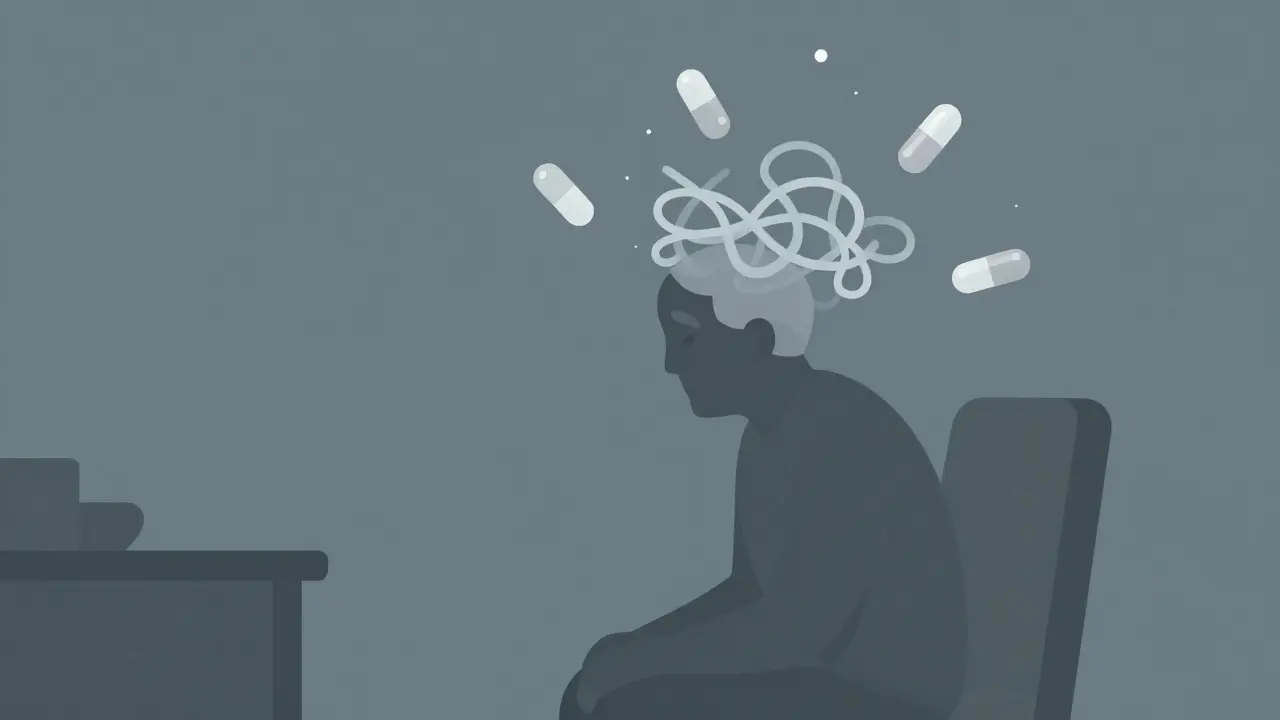
It starts as a simple fix. Your parent can’t sleep, or their allergies are acting up, so you hand them an over-the-counter bottle of diphenhydramine (Benadryl) or doxylamine (Unisom). It’s cheap, it’s available everywhere, and for decades, it was considered harmless. But within hours, something shifts. They might become disoriented, confused, or unusually drowsy. You might brush it off as just "being old," but this reaction is actually a well-documented pharmacological crisis.
For adults over 65, the body processes medications differently. The same dose that gives a 30-year-year-old a good night's sleep can trigger acute confusion, dangerous falls, and long-term cognitive decline in older adults. This isn't about being weak; it's about how aging changes our chemistry. Understanding why these common drugs cause such severe side effects is crucial for protecting the health of aging parents and grandparents.
The Blood-Brain Barrier Breakdown
To understand why first-generation antihistamines are risky, we have to look at how they move through the body. These older drugs, developed in the 1940s, are lipophilic, meaning they love fat. This chemical structure allows them to easily cross the blood-brain barrier, the protective shield that keeps toxins out of the brain.
Once inside the brain, these drugs don't just block histamine (which causes allergy symptoms). They also block acetylcholine, a vital neurotransmitter responsible for memory, learning, and attention. In younger people, the brain has enough acetylcholine reserves to handle this blockade. But as we age, our natural production of acetylcholine drops. When you add a strong blocker like diphenhydramine on top of already low levels, you get what experts call a "double whammy."
This leads to central nervous system side effects that go far beyond mild drowsiness. Older patients often experience:
- Acute confusion: Sudden disorientation, sometimes mistaken for dementia onset.
- Sedation: Extreme tiredness that lasts into the next day.
- Cognitive impairment: Slowed thinking and reduced mental alertness.
- Psychomotor issues: Loss of coordination, increasing fall risk.
In contrast, second-generation antihistamines like cetirizine (Zyrtec) and loratadine (Claritin) are designed with polar molecules. These molecules struggle to cross the blood-brain barrier, keeping the drug’s effects mostly in the body (peripheral) rather than the brain (central). This structural difference makes them significantly safer for elderly patients.
The Hidden Danger: Anticholinergic Burden
The term "anticholinergic" sounds technical, but its effects are visceral. When these drugs block muscarinic receptors in the body, they disrupt normal bodily functions. Geriatric medicine uses a mnemonic to remember these peripheral side effects: "blind as a bat, dry as a bone, red as a beet, mad as a hatter, and hot as a hare."
For an elderly patient, these aren't just uncomfortable sensations; they are medical risks. Here is what happens when the anticholinergic burden becomes too high:
| Symptom | Physical Manifestation | Risk for Seniors |
|---|---|---|
| Dry Mouth/Eyes | Reduced saliva and tear production | Increased risk of dental decay and eye infections |
| Urinary Retention | Inability to empty bladder fully | Higher risk of urinary tract infections (UTIs) |
| Constipation/Ileus | Slowed gut movement | Potentially life-threatening bowel obstruction |
| Tachycardia | Rapid heart rate | Strain on existing heart conditions |
| Blurred Vision | Dilated pupils | Increased fall risk due to poor depth perception |
Dr. Shelly Gray from the University of Washington School of Pharmacy notes that because the body’s acetylcholine production diminishes with age, blocking its effects can deliver devastating results. Even at the lowest recommended doses, these drugs can cause hypotension (low blood pressure) and dizziness, which are primary contributors to falls.

Falls, Fractures, and Long-Term Cognitive Decline
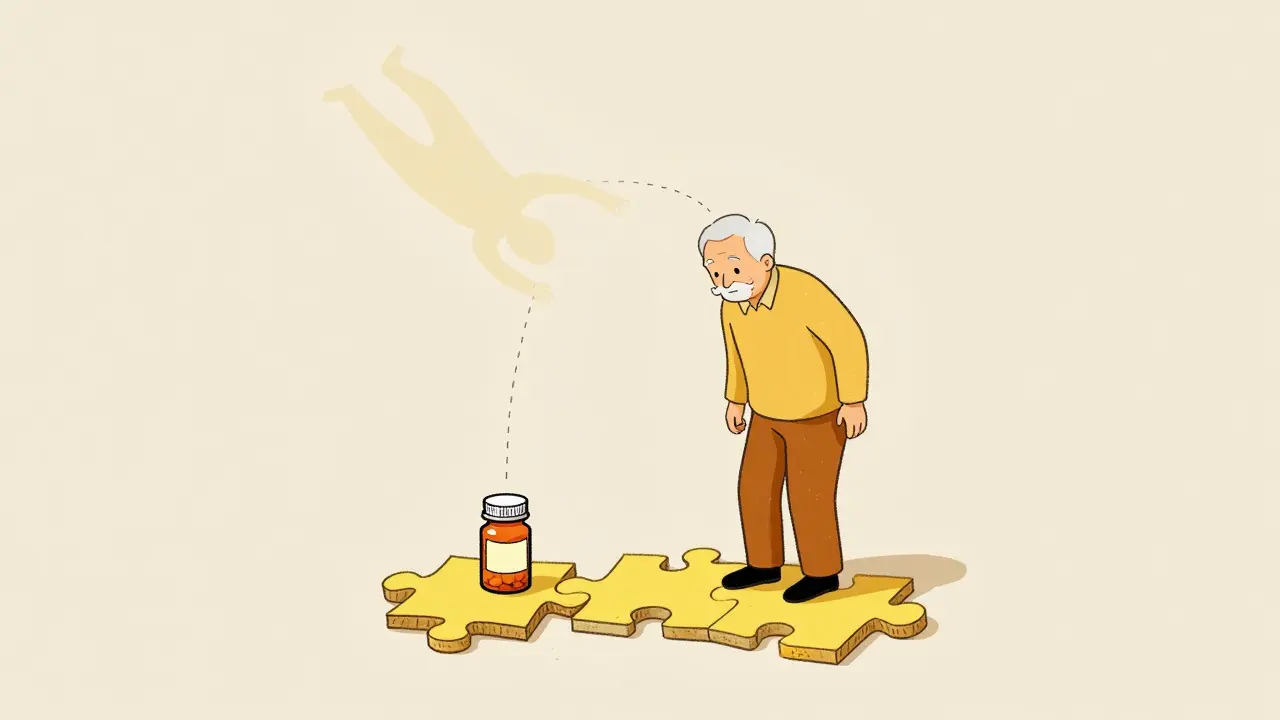
The immediate danger of first-generation antihistamines is physical injury. A 2018 systematic review published in PubMed analyzed data from five observational studies involving thousands of elderly patients. The findings were stark: using first-generation antihistamines was associated with a 103% increased risk of injurious falls or fractures. The odds ratio was 2.03, meaning users were twice as likely to suffer a serious fall compared to non-users.
Why does this happen? It’s not just clumsiness. The combination of sedation, blurred vision, and orthostatic hypotension (a drop in blood pressure when standing up) creates a perfect storm for accidents. For an older adult, one fall can be life-altering, leading to hip fractures, loss of independence, or even mortality.
But the risks extend far beyond the emergency room. There is growing evidence linking long-term use of anticholinergic medications to permanent cognitive damage. A landmark 2015 study in JAMA Internal Medicine tracked participants for seven years. It found that those who used equivalent doses of anticholinergic drugs for three years or more had a 54% higher risk of developing dementia compared to those who used them for less than three months.
This suggests that chronic exposure to these drugs may accelerate neurodegenerative processes. While correlation doesn't always equal causation, the biological mechanism-chronic depletion of acetylcholine in the brain-is consistent with the pathology of Alzheimer's disease and other dementias.
First-Generation vs. Second-Generation: Making the Switch
If first-generation antihistamines are so dangerous, why are they still sold over the counter? Partly because they work fast and are cheap. But for anyone over 65, the trade-off is rarely worth it. The American Academy of Allergy, Asthma & Immunology (AAAAI) explicitly recommends discussing second-generation alternatives with physicians.
Here is how the two generations compare for elderly care:
| Feature | First-Generation (e.g., Benadryl) | Second-Generation (e.g., Zyrtec, Claritin) |
|---|---|---|
| Blood-Brain Penetration | High (Crosses easily) | Low (Limited entry) |
| Sedation Risk | High | Minimal to None |
| Anticholinergic Effects | Strong (Dry mouth, constipation) | Negligible |
| Fall Risk | Significantly Increased | No significant increase |
| Dementia Link | Associated with higher risk | No clear association |
| Duration of Action | Short (4-6 hours) | Long (24 hours) |
Preferred options for elderly patients include:
- Loratadine (Claritin): 10 mg daily. Non-sedating and safe for most seniors.
- Cetirizine (Zyrtec): 5 mg daily. Some patients report mild drowsiness, so start with half the standard adult dose.
- Fexofenadine (Allegra): 60 mg twice daily. Highly selective for peripheral receptors, making it one of the safest choices.
Note that while second-generation drugs are safer, they may be slightly less effective for certain severe allergic reactions. However, for routine allergy management and sleep aid replacement, the safety profile overwhelmingly favors the newer generation.
The Beers Criteria and Medication Reviews
You don't have to guess if a medication is safe. The American Geriatrics Society Beers Criteria is a widely respected list of potentially inappropriate medications for older adults. Since its inception in 1991, and updated regularly (most notably in 2019), it has listed first-generation antihistamines as "high-risk" due to their strong anticholinergic properties.
The 2019 update designated these drugs as inappropriate for older adults, citing risks of delirium, dry mouth, constipation, and urinary retention. Despite this, usage remains alarmingly high. A 2023 study in the Journal of the American Geriatrics Society found that 34.7% of adults aged 65+ still regularly use first-generation antihistamines, with 18.2% using them daily.
Why the disconnect? Often, it’s because these drugs are hidden in other products. Diphenhydramine and doxylamine are common ingredients in:
- "Nighttime" versions of pain relievers (e.g., Tylenol PM)
- Cough and cold syrups
- Over-the-counter sleep aids
Patients often take these for insomnia or minor aches, unaware that they are ingesting a potent anticholinergic. Healthcare providers should conduct comprehensive medication reviews at least quarterly for elderly patients, specifically screening for these hidden ingredients. If your parent is taking multiple medications, ask their doctor to calculate their "anticholinergic burden." High burdens are linked to worse outcomes across all health metrics.
Non-Pharmacological Alternatives and Next Steps
Before reaching for any pill, consider non-drug strategies. For allergies, saline nasal sprays, HEPA air filters, and allergen-proof bedding can reduce symptom triggers without chemical intervention. For sleep, maintaining a consistent bedtime routine, limiting caffeine after noon, and ensuring proper light exposure during the day can improve sleep quality naturally.
If medication is necessary, transition slowly. If an elderly patient has been using Benadryl for years, stopping abruptly might cause rebound insomnia. Work with a physician to taper off the first-generation drug while introducing a second-generation alternative or a behavioral sleep strategy.
Finally, watch for signs of "anticholinergic delirium." If an elderly person suddenly becomes confused, agitated, or paranoid after starting a new medication, check the label. If it contains diphenhydramine, doxylamine, or similar agents, stop the medication and consult a doctor immediately. Symptoms typically resolve within 72 hours of discontinuation, but early recognition prevents unnecessary hospitalizations and trauma.
Protecting the minds and bodies of our elders requires vigilance. By swapping out outdated, risky medications for safer modern alternatives, we can prevent falls, preserve cognitive function, and maintain quality of life. It’s a small change in the medicine cabinet that can make a massive difference in their daily lives.
Is Benadryl safe for seniors to take occasionally?
While occasional use might seem harmless, the American Geriatrics Society advises against it entirely for adults over 65. Even a single dose can cause dizziness, confusion, and next-day sedation, significantly increasing the risk of falls. Given the availability of safer alternatives, the risk generally outweighs the benefit.
What are the signs of anticholinergic toxicity in the elderly?
Watch for the mnemonic "mad as a hatter, blind as a bat, dry as a bone, red as a beet, hot as a hare." Specific signs include acute confusion, hallucinations, rapid heart rate, dilated pupils, dry skin/mouth, constipation, and inability to urinate. If these appear after starting a new med, seek medical advice.
Which antihistamine is best for elderly patients with allergies?
Second-generation antihistamines are preferred. Loratadine (Claritin), fexofenadine (Allegra), and cetirizine (Zyrtec) are much safer because they do not cross the blood-brain barrier effectively. Fexofenadine is often cited as having the lowest sedation risk. Always start with the lowest effective dose.
Can antihistamines cause permanent dementia?
Research suggests a strong link between long-term use of anticholinergic drugs (including first-gen antihistamines) and an increased risk of dementia. A JAMA study found a 54% higher risk for those using these drugs heavily for three years or more. While it may not be "permanent" in every case, it can accelerate cognitive decline irreversibly.
What is the Beers Criteria?
The Beers Criteria is a clinical guideline published by the American Geriatrics Society that lists medications considered potentially inappropriate for older adults. First-generation antihistamines are on this list due to their high risk of causing delirium, falls, and other adverse events in seniors.
Are there non-drug ways to help senior allergies?
Yes. Using HEPA air purifiers, washing bedding in hot water weekly to kill dust mites, keeping windows closed during high pollen seasons, and using saline nasal rinses can significantly reduce allergy symptoms without the side effects of medication.