Rural Telehealth Monitoring Readiness Calculator
Assess your preparedness for remote medication side effect monitoring based on connectivity, device access, health literacy, and support systems. Get personalized recommendations to improve your telehealth experience.
Imagine living hundreds of miles from the nearest specialist. You start a new medication for high blood pressure or anxiety, but within days, you notice something feels off. Maybe it’s a slight tremor, unexpected fatigue, or a rash that won’t go away. In an urban setting, you might call your doctor and get a same-day appointment. In a rural area, that same concern often means a two-hour drive, taking time off work, and hoping the clinic is open. This geographic isolation creates a dangerous gap in telehealth side effect monitoring, which is the use of virtual care technologies to track medication safety and treatment complications among geographically isolated individuals. Without proper oversight, these manageable issues can escalate into emergency room visits or hospitalizations.
The stakes are incredibly high. According to data from the National Rural Health Association, approximately 60 million Americans live in rural areas where access to timely healthcare is significantly limited. Since 2010, 120 rural hospitals have closed their doors, leaving communities even more vulnerable. A 2020 analysis by Health Affairs found that rural patients experience adverse drug events at rates 23% higher than their urban counterparts. These aren't just statistics; they represent real people facing preventable health crises because the system wasn't designed to watch over them remotely. The goal here isn't just convenience-it's survival and quality of life.
The Technology Behind Effective Monitoring
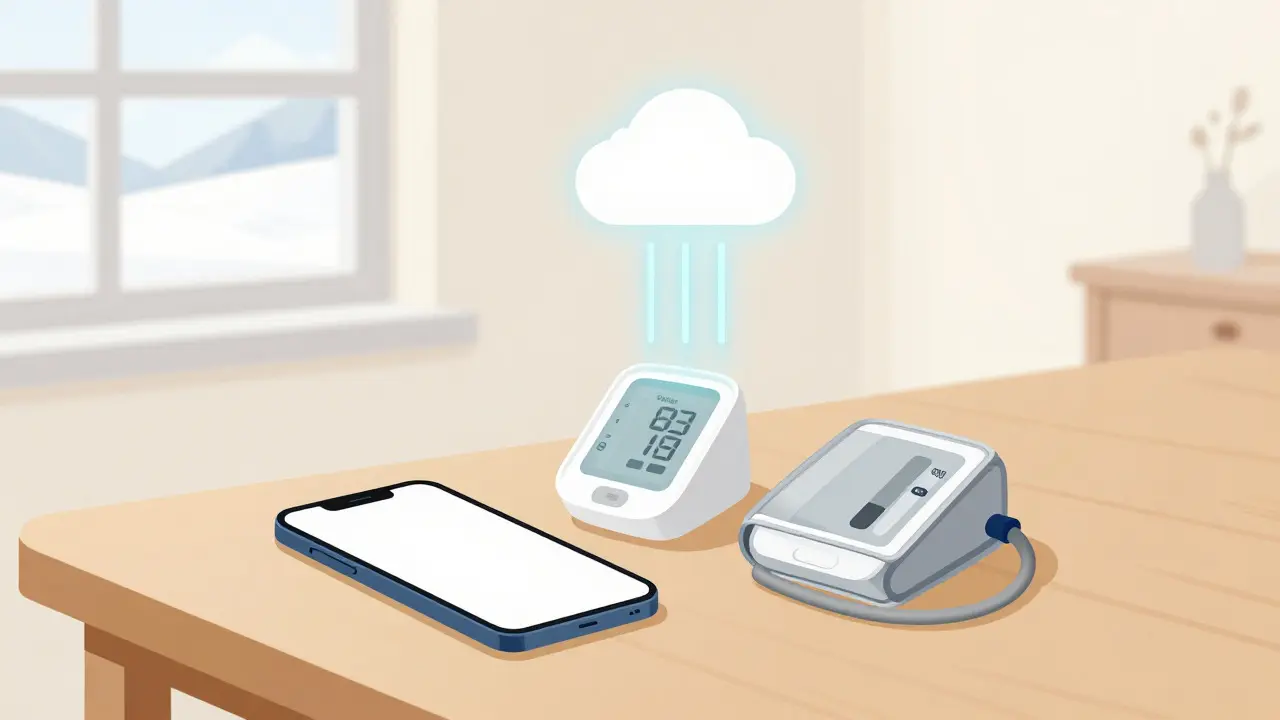
To bridge this gap, we rely on Remote Patient Monitoring (RPM), which is a set of digital health tools that allow clinicians to track patient vital signs and symptoms outside of traditional clinical settings. It’s not just about having a video call with a doctor. It involves a sophisticated ecosystem of devices and software working together. For example, FDA-cleared devices now offer industry-standard accuracy, measuring blood pressure within ±3% and heart rate within ±2 beats per minute. Platforms like those used by Yosi Health integrate these metrics into a single dashboard for providers.
But technology alone doesn't solve the problem if the infrastructure isn't there. Here is the reality on the ground:
- Connectivity Requirements: Most RPM systems require at least 3G cellular connectivity or broadband internet with a minimum upload speed of 1.5 Mbps. However, the Federal Communications Commission’s 2023 report notes that 28% of rural Americans still lack access to broadband meeting these standards.
- Device Compatibility: The good news is that most modern smartphones work. Systems generally support iOS 14+ and Android 10+, covering 92% of phones currently in circulation. But for older adults, who make up a significant portion of chronic disease patients, this can be a hurdle. Pew Research Center found that 34% of rural seniors aged 65+ struggle with using these technologies.
- Adherence Tracking: Smart pill dispensers, such as those from Hero Health, can detect missed doses with 85% accuracy. This is crucial because many side effects are actually related to inconsistent dosing rather than the drug itself.
The limitation? Technology can’t feel everything. About 22% of potential adverse reactions require tactile assessment-things a camera or sensor simply can't catch. This is why hybrid models, combining remote data with periodic in-person checks, remain the gold standard.
Why Telehealth Beats Traditional Methods for Rural Care
You might wonder if a screen can really replace a stethoscope when it comes to catching serious side effects. The evidence suggests yes, often better than traditional methods for specific populations. Dr. Wilbur Hitt, a rural physician in Oklahoma, puts it bluntly: "Telehealth enables immediate intervention when patients report concerning side effects, reducing hospital transfers by approximately 40% for medication-related complications."
A 2022 systematic review published in the Journal of Medical Internet Research backed this up, showing a 31% reduction in adverse drug event hospitalizations in rural populations using telehealth monitoring compared to standard care. Why does this work so well?
- Speed of Response: In-person care has delays. Scheduling, travel, and waiting rooms eat up time. Telehealth allows for near-instant communication. If a patient reports severe nausea or dizziness, a pharmacist or nurse can triage that issue within hours, not days.
- Pharmacist-Led Oversight: The American Pharmacists Association highlights that programs led by pharmacists achieve 89% medication adherence rates, compared to just 62% in control groups. Pharmacists are experts in drug interactions and side effects, making them ideal leaders for these remote teams.
- Mental Health Support: Nearly 80% of rural telehealth visits are for mental health conditions. Psychiatric medications often have complex side effect profiles. A 2021 study in JAMA Psychiatry noted that up to 70% of patients on these meds experience side effects. Remote monitoring allows for frequent, low-stakes check-ins that encourage honesty about how a patient is truly feeling.
However, it’s not without economic risks. Research by Dr. Zihan Ye revealed that while telehealth helps patients, it can reduce rural hospital revenue by 15% if services are pulled back to urban centers. This threatens the local infrastructure needed for comprehensive care. Sustainable models must keep revenue and care coordination local.
Real-World Challenges and User Experiences
Data looks great on paper, but what does it look like in a living room in Montana or West Virginia? The experiences vary wildly based on preparation and support.
On one hand, success stories are powerful. A verified patient on Reddit shared how a blood thinner monitoring app caught their INR levels trending high before they showed physical symptoms, preventing a potential bleed. They admitted it had a learning curve, but the peace of mind was worth it. The American Telemedicine Association reports that 82% of rural users find these monitoring tools "very" or "extremely" helpful, largely because they save an average of 72 miles per consultation.
On the other hand, failure points are common and frustrating. A resident in West Virginia complained about poor video quality during an antidepressant check-in, noting the provider couldn't see their tremors clearly. This highlights a critical technical barrier: 37% of dissatisfied users cite connectivity issues. Furthermore, 41% complain about technology difficulties. If the interface is confusing, the patient stops using it, and the monitoring fails.
Another major hurdle is health literacy. The National Assessment of Adult Literacy shows that 36% of rural adults have limited health literacy. If a patient doesn't understand what "tachycardia" or "hypertension" means, they won't know when to flag a reading as abnormal. Programs that fail to simplify language and provide clear visual cues often see high dropout rates.

Implementing Successful Monitoring Protocols
If you are a provider or administrator looking to implement these strategies, don't just buy the software. Success depends on human-centric design. The University of Mississippi Medical Center’s program for anticoagulation monitoring serves as a strong model. Established in 2019, it boasts a 92% patient retention rate. How did they do it?
| Component | Implementation Detail | Impact/Metric |
|---|---|---|
| Care Coordinators | Dedicated staff to guide patients through setup and usage. | Associated with 34% higher patient engagement. |
| EHR Integration | Seamless data flow into Epic or Cerner systems. | Achieved in 76% of successful programs, reducing admin burden. |
| Tiered Response Protocols | Clear rules for escalation (Immediate, 24-hour, 72-hour). | Ensures critical side effects like anaphylaxis get instant attention. |
| Training Sessions | Multiple sessions for tech proficiency. | 68% of patients need at least two sessions; seniors need ~3.2. |
Notice the emphasis on training. The learning curve typically spans 2-4 weeks. Nurse navigators spend an average of 47 minutes per patient during initial setup. This upfront investment pays off by reducing confusion later. Also, consider reimbursement. As of 2023, CMS pays $51 per 20 minutes of remote monitoring time, but only 63% of private insurers follow this model. Understanding your payer mix is essential for sustainability.
The Future: AI and Equity in Remote Care
We are moving beyond simple tracking into predictive care. The FDA approved AI-powered side effect prediction algorithms in 2023, such as IBM Watson Health’s MedSafety system. These tools can identify potential adverse reactions with 84% accuracy, allowing doctors to intervene before a patient even feels sick. Similarly, wearable sensors are being tested to detect movement abnormalities linked to antipsychotic medications, achieving 91% detection accuracy in pilot programs.
Yet, a shadow looms over this progress: equity. The AHRQ’s 2022 Rural Health Disparities Report indicates that Black rural patients are 1.8 times less likely to receive monitoring services than white counterparts. As urban telehealth giants expand, rural hospital margins decrease by approximately 8%, threatening the very local networks that serve marginalized communities best. The 2023 CONNECT for Health Act helped by expanding Medicare coverage for audio-only monitoring, which is used by 58% of rural seniors who may not have reliable video bandwidth. But true success requires ensuring these advanced tools reach everyone, not just those with the fastest internet and newest phones.
For rural patients, telehealth isn't a luxury; it's a lifeline. By combining robust technology, empathetic human support, and equitable policy, we can turn the tide on medication safety disparities. The tools exist. Now, we must ensure they are accessible to all.
What is the most effective way to monitor side effects remotely?
The most effective approach combines Remote Patient Monitoring (RPM) devices for vital signs with regular video or phone check-ins led by pharmacists or care coordinators. Studies show that pharmacist-led programs achieve 89% medication adherence, significantly higher than standard care. Using tiered response protocols-where critical symptoms trigger immediate action and minor issues are reviewed within 72 hours-ensures nothing falls through the cracks.
Do rural patients need high-speed internet for telehealth monitoring?
Ideally, yes, but not always. Most RPM systems require at least 1.5 Mbps upload speed for video calls. However, many devices transmit data via Bluetooth to a smartphone, which then uses cellular data. For patients with poor broadband, audio-only monitoring is a viable alternative. The 2023 CONNECT for Health Act expanded Medicare coverage for audio-only visits, helping the 58% of rural seniors who rely on this method.
How accurate are remote vital sign monitors?
FDA-cleared devices are highly accurate. Industry standards include blood pressure measurements within ±3% and heart rate monitoring within ±2 beats per minute. Smart pill dispensers can detect missed doses with 85% accuracy. While not perfect, they are sufficient for detecting trends and alarming changes that require medical attention.
Who pays for telehealth side effect monitoring?
Medicare covers remote patient monitoring under specific codes, paying approximately $51 per 20 minutes of service time as of 2023. However, private insurance coverage varies, with only 63% following similar models. Some pharmaceutical companies also fund these programs to improve adherence for their drugs. Patients should verify their specific plan benefits before starting.
Can telehealth replace all in-person doctor visits?
No. Telehealth cannot detect all physical side effects, particularly those requiring tactile assessment, which account for about 22% of adverse reactions. Hybrid models that combine remote monitoring with periodic in-person exams are considered the gold standard for comprehensive care.
What are the biggest barriers to adoption for rural seniors?
Technology difficulty and health literacy are the main barriers. 34% of rural seniors report trouble using digital health tools, and 36% have limited health literacy. Successful programs address this by providing multiple training sessions (averaging 3.2 for older adults) and using simple, clear language in their interfaces.