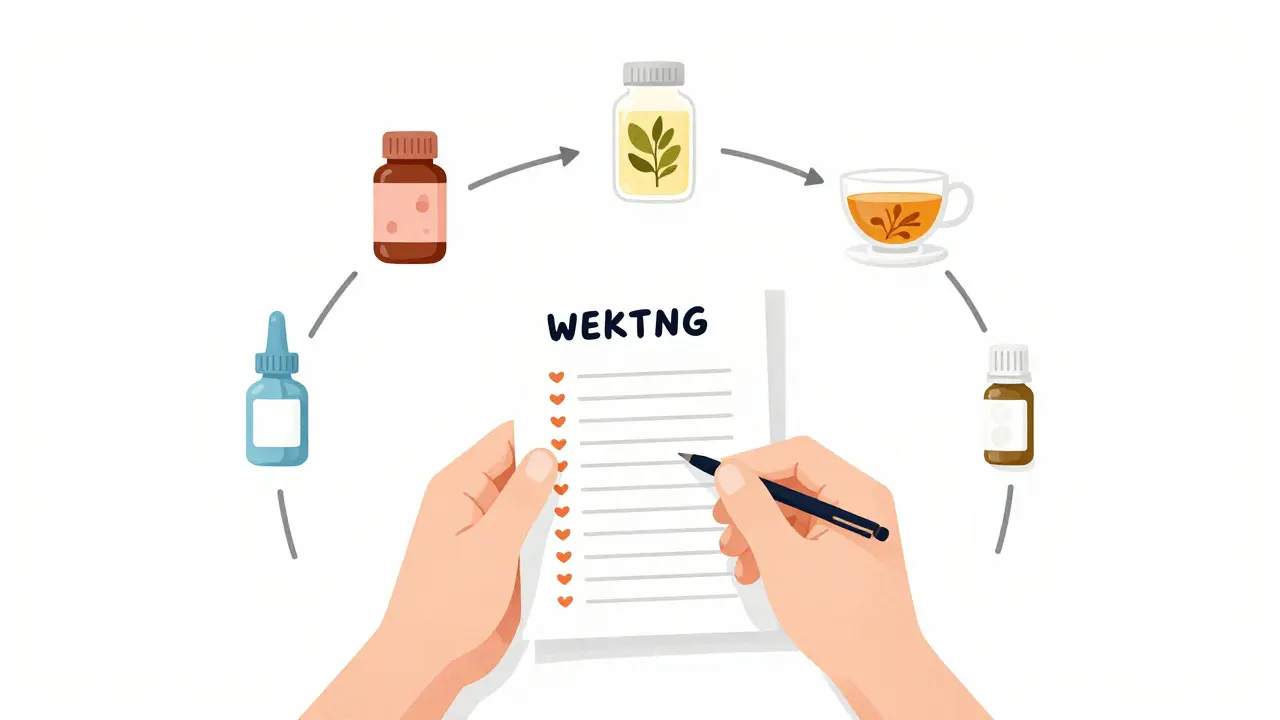
Why Your Medication List Is Your Most Important Health Document
You’re at the doctor’s office. You’re feeling off. The nurse asks, “What medications are you taking?” You pause. You remember your blood pressure pill. Maybe the painkiller you took last week. Did you take your vitamin D today? What about that herbal tea your sister swore by? You start listing things, but you’re not sure. You leave feeling like you forgot something important.
That moment isn’t just awkward-it’s dangerous. In fact, medication errors are one of the leading causes of preventable harm in healthcare. Half of them happen when you move between care settings: from hospital to home, from primary care to specialist, from pharmacy to emergency room. And the biggest reason? Incomplete or inaccurate medication lists.
Keeping a complete, up-to-date list of everything you take isn’t just a good habit. It’s a lifesaver. It’s the single most effective tool you have to make sure your care is safe, coordinated, and accurate.
What Belongs on a Complete Medication List
A simple list of drug names won’t cut it. A real medication list includes details that help your providers understand exactly what you’re using-and why.
- Medication name: Both generic and brand names. For example, “lisinopril” (generic) and “Zestril” (brand).
- Dosage: Exact strength and form. “Lisinopril 10 mg tablet,” not just “blood pressure pill.”
- How and when to take it: “Once daily with breakfast,” “two tablets every 6 hours as needed for pain,” “one spray in each nostril every morning.”
- Why you’re taking it: “For high blood pressure,” “for joint pain,” “for anxiety.” This helps doctors spot duplicates or conflicts.
- When you started: “Started January 2024,” “began after heart surgery in 2023.”
- Who prescribed it: “Dr. Chen, Wellington GP,” “Dr. Patel, Cardiologist.”
- Refill status: “Last refill: Dec 15, 2025,” “out of stock,” “waiting on approval.”
- Allergies and reactions: Not just “penicillin allergy.” Say “amoxicillin-rash and swelling,” “ibuprofen-stomach bleeding.”
- OTC meds and supplements: Ibuprofen, aspirin, melatonin, fish oil, turmeric, vitamin B12. These aren’t optional-they’re part of your total picture.
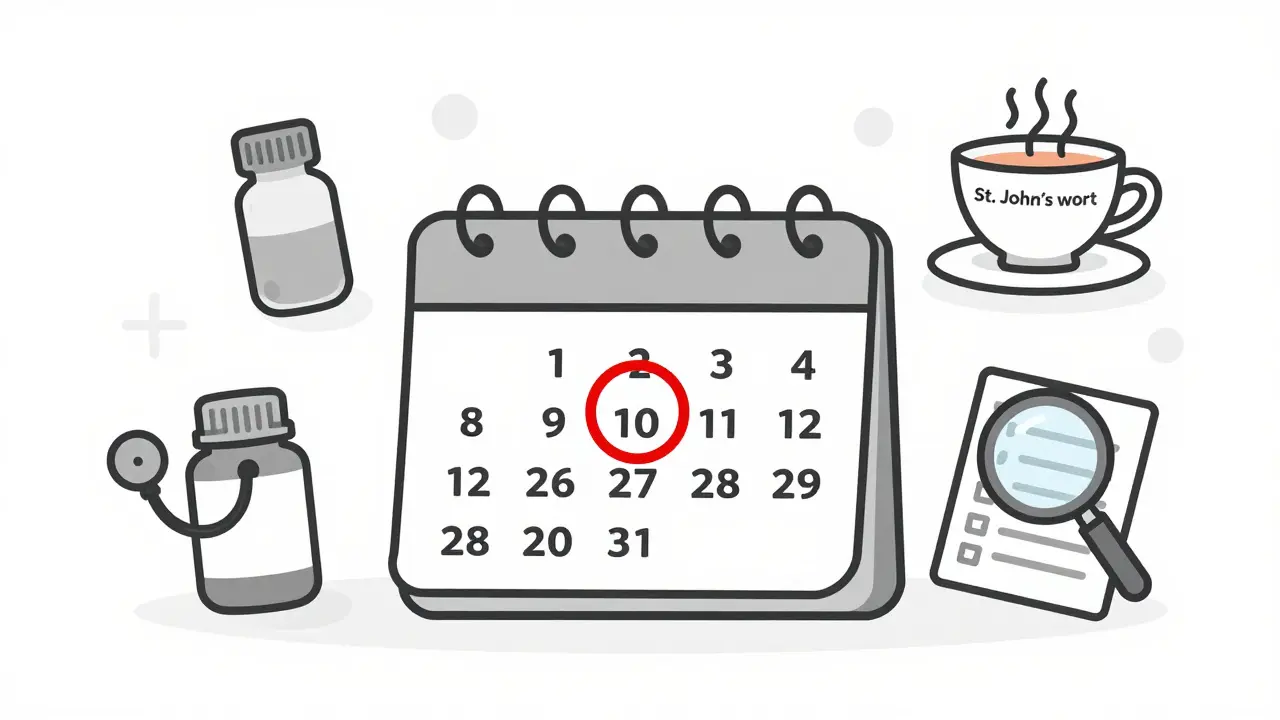
- Herbal remedies and teas: St. John’s wort, echinacea, ginkgo biloba. Many people don’t think these count, but they interact with prescription drugs.
- Non-oral meds: Eye drops, inhalers, skin creams, patches. These are often forgotten but still affect your body.
- Emergency contact and pharmacy info: Who to call if something goes wrong, and which pharmacy fills your prescriptions.
The FDA’s “My Medicines” template, updated in early 2023, is a great starting point. You can print it or use it as a checklist. It’s simple, clear, and covers everything you need.
Paper or Digital? Which Works Best for You
There’s no single right way to keep your list. The best system is the one you’ll actually use and update.
Many people still use paper. A 2022 National Council on Aging survey found 68% of patients keep a handwritten list. That’s fine-if it’s legible, organized, and always with you. Use a 12-point font or larger if you’re printing. Keep a copy in your wallet, purse, or phone case. Tape one to the inside of your medicine cabinet.
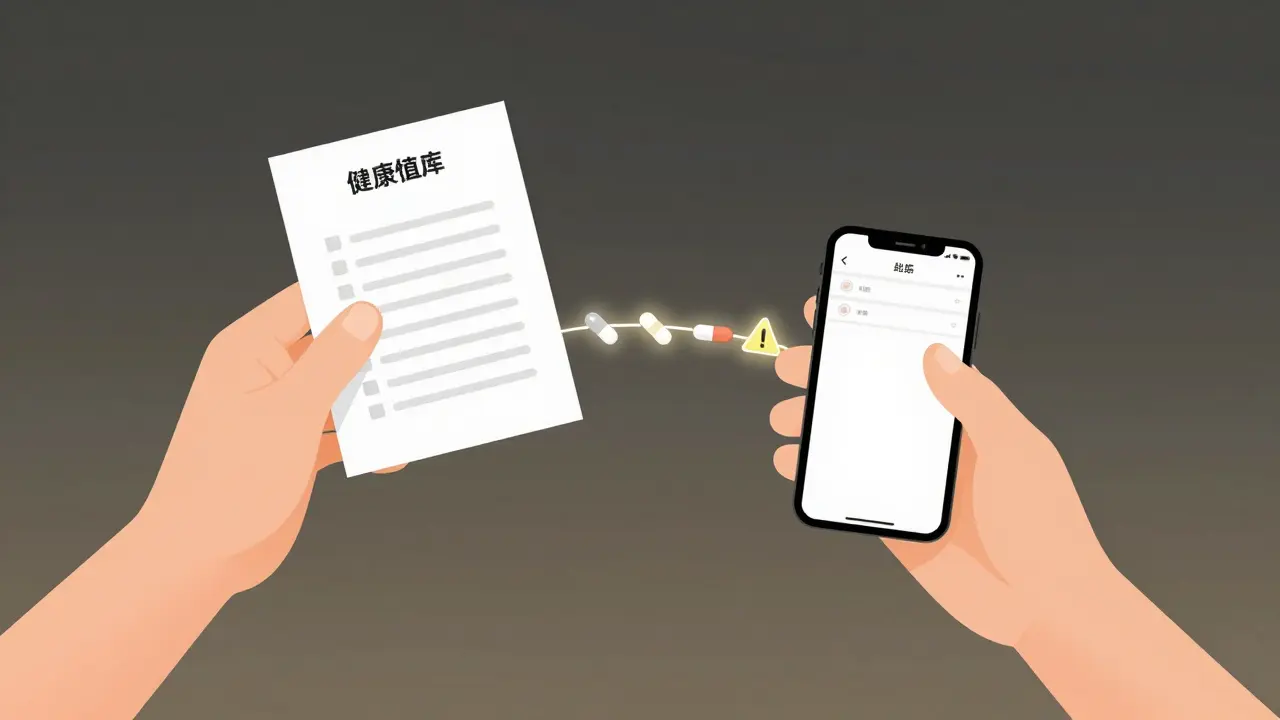
Digital tools are growing fast. Apps like GoodRx, Medisafe, and MyTherapy let you scan barcodes, set reminders, and share your list with providers. As of mid-2024, 42% of GoodRx’s 150 million users actively use their medication list feature. These apps sync with pharmacies and can alert you to interactions.
But here’s the catch: digital tools aren’t for everyone. A 2024 ECRI Institute report found only 28% of adults over 75 can use them without help. If you’re not tech-savvy, don’t force it. A simple, printed list is better than a fancy app you never open.
Best practice? Use both. Keep a printed copy you can hand to a nurse. Keep a digital backup on your phone or cloud drive. That way, if you lose the paper, you still have the data.
How Often Should You Update It?
Your list isn’t a one-time task. It’s a living document.
Update it immediately whenever:
- A new medication is prescribed or stopped.
- You start or stop a supplement or OTC drug.
- Your dosage changes.
- You get a new pharmacy or doctor.
- You forget to take a pill for more than two days.
Don’t wait for your next appointment. If you miss a dose or switch from one pill to another, update your list that day. The National Council on Aging says patients who do this reduce medication-related hospital visits by 31%.
Also, schedule a dedicated medication review with your doctor at least once a year. Don’t squeeze it in during a quick checkup for a cold. In 2023, the Annals of Family Medicine found that 68% of medication discussions get cut short when they’re tacked onto other visits. Make it its own appointment. Bring your list. Ask: “Are all of these still necessary?” “Is there anything I can stop?”
What Doctors and Pharmacists See When You Bring Your List
When you hand over a complete list, your provider doesn’t just see pills. They see patterns.
They might notice you’re taking two drugs that interact dangerously. Or that you’re on three painkillers that all stress your liver. Or that you’re taking a blood thinner but also using ginkgo biloba, which increases bleeding risk.
They’ll also spot gaps. Maybe you stopped your cholesterol pill because it gave you muscle pain-but you didn’t tell anyone. Or you started melatonin for sleep, but didn’t mention it because you thought it was “just natural.”
Research from Harvard Medical School shows patients who bring accurate lists reduce their risk of adverse drug events by 43%. That’s not a small number. That’s life-changing.
And it’s not just about safety. A complete list saves time. Doctors spend less guessing. Pharmacists don’t have to call back. You get faster, smarter care.
Common Mistakes People Make (And How to Avoid Them)
Even well-meaning patients mess this up. Here are the top three mistakes-and how to fix them.
Mistake 1: Forgetting OTC meds and supplements
A 2022 Journal of General Internal Medicine study found 58% of patients leave out over-the-counter drugs. They think, “It’s not a real medicine.” But aspirin, antacids, and sleep aids can cause serious interactions. Write them all down.
Mistake 2: Not tracking “as-needed” meds
“I take ibuprofen when I need it.” That’s not helpful. How often? How many pills? When was the last time? The ECRI Institute recommends a “PRN Medication Tracker” - a simple table with date, time, dose, and reason. Even a sticky note on your fridge works.
Mistake 3: Relying only on memory
Dr. Michael Cohen of ISMP says 73% of patient-reported lists have at least one major error. Memory fails. Especially under stress. Always check your pill bottles. Or call your pharmacy. They have your full history.
What Happens When You Don’t Keep a List
Without a complete list, you’re playing Russian roulette with your health.
Every year, about 1.5 million people in the U.S. are harmed by medication errors. Many of those happen because a doctor didn’t know you were taking a certain supplement. Or because you were prescribed a new drug that clashed with something you stopped taking months ago.
It’s not just about side effects. It’s about wasted time, unnecessary tests, longer hospital stays, and higher bills. The AHRQ estimates these errors cost $3.5 billion annually.
And it’s getting worse. As of January 2024, Medicare penalizes hospitals that don’t meet medication reconciliation standards. Facilities scoring below 85% on accuracy face payment cuts of up to 1.25%. That means hospitals are pushing harder for patients to bring accurate lists.
If you don’t have one, you’re not just at risk-you’re making your care harder for everyone involved.
What’s Changing in 2026 (And What It Means for You)
Things are shifting fast. The 21st Century Cures Act now requires all major health systems to give you direct access to your medication list through patient portals. By 2027, the Office of the National Coordinator for Health IT wants every patient to have a single, consolidated record.
That’s great-if you can access it. Right now, only 42% of U.S. hospitals connect their electronic systems to patient portals. And rural patients are 2.3 times less likely to have complete records than urban ones.
For now, the safest bet is still you holding your own list. Don’t wait for the system to catch up. Start today. Use the paper template. Update it after every change. Bring it to every appointment.
Your Next Steps: A Simple 3-Point Plan
- Build your list: Grab a piece of paper or open the FDA’s “My Medicines” template. List every pill, drop, spray, capsule, and supplement you take. Include doses, times, reasons, and prescribers. Take 20-30 minutes. Do it now.
- Update and carry it: Keep a copy in your wallet, phone, and home. Update it immediately after any change. Don’t wait.
- Review it yearly: Schedule a 30-minute appointment just to go over your list with your doctor. Ask: “Is everything still needed?” “Are there safer or cheaper options?”
That’s it. No apps required. No tech skills needed. Just a list. And the discipline to keep it current.
Medication safety isn’t about fancy tools. It’s about attention. It’s about taking responsibility for your own care. And the simplest tool you have? A piece of paper with your name on it-and everything you take.
What if I can’t remember all the medications I’ve taken?
Call your pharmacy. They have a complete record of every prescription you’ve filled. You can also request a medication history from your doctor’s office. Many EHR systems allow patients to download their full list through secure portals. If you’re unsure, bring your pill bottles to your next appointment-pharmacists can help sort them out.
Should I include vitamins and herbal supplements?
Yes. Vitamins, fish oil, turmeric, St. John’s wort, and even herbal teas can interact with prescription drugs. For example, St. John’s wort can reduce the effectiveness of blood thinners and birth control pills. Your doctor needs to know everything you’re putting in your body-not just what’s prescribed.
How do I keep my list safe if I use a digital app?
Use apps that let you back up your data to the cloud or export it as a PDF. Don’t rely on your phone alone. Set up automatic backups, and keep a printed copy in your wallet. If you use GoodRx, Medisafe, or MyTherapy, check their settings to ensure your list can be shared securely with providers.
Can my doctor update my list for me?
They can help, but you’re still the best person to maintain it. Doctors see you for minutes at a time. You live with your meds every day. You know when you skipped a dose, started a new supplement, or stopped a pill because of side effects. Your list should reflect your real-life use-not just what’s in the chart.
What if I’m elderly or have trouble reading small print?
Use large-print templates. Print your list in 14-point font or larger. Write clearly with a bold marker. Ask a family member or caregiver to help you update it weekly. Many community health centers offer free medication review services for seniors. Don’t let size or tech be a barrier-your safety matters more.
Paul Barnes
This is the most comprehensive guide I've ever seen on medication lists. Every single point is accurate, properly cited, and structured with clinical precision. No fluff. No exaggeration. Just facts. You nailed it.
clifford hoang
lol so now they want us to track EVERYTHING? 🤡 Next they'll make us log our breathing patterns and dream cycles. They're not trying to help us-they're trying to turn us into data points for Big Pharma's AI overlord. 🧬💊 #MedWatchIsWatchingYou
Arlene Mathison
I started keeping my list after my mom had a bad reaction to mixing turmeric and blood thinners. It changed everything. I print mine on bright yellow paper, keep one in my purse, one on my fridge, and one on my phone. I even text it to my daughter when I travel. It’s not a chore-it’s peace of mind. 💪❤️
Carolyn Rose Meszaros
This is so needed. I showed my grandma how to use the FDA template and she cried because she finally felt in control. She’s 81, doesn’t use apps, but she writes it by hand and reads it out loud every Sunday. Now she asks questions at appointments instead of nodding silently. 🙌
Greg Robertson
I used to forget my meds all the time. Then I started using a pill organizer with labels and wrote everything down on the back. Now my pharmacist knows me by name. It’s crazy how much simpler care becomes when you’re organized. Small effort, huge payoff.
Nadia Watson
I must emphasize, with the utmost respect for the integrity of patient safety protocols, that the inclusion of herbal remedies and over-the-counter supplements is not merely advisable-it is a non-negotiable component of pharmacovigilance. Failure to disclose these elements constitutes a significant gap in clinical risk assessment, and may, in extremis, result in iatrogenic harm. Please, for the love of evidence-based medicine, document everything.
Shane McGriff
I used to think I had it all figured out-until I got hospitalized because I didn’t tell my cardiologist I’d started melatonin for sleep. Turns out it bumps up my blood pressure meds’ effect. I was lucky. Don’t be like me. Write it down. Even the ‘tiny’ stuff. Your future self will thank you.
Jacob Cathro
so like... the FDA template? lol. that's just the government's way of getting us to self-report our entire bio-data to their surveillance system. they're gonna use this to deny us meds later. 'oh you took ginkgo biloba? sorry, your insurance won't cover your stent.' 🤡 #BigPharmaIsWatching
Thomas Varner
I just printed mine. In 18-point font. On cardstock. Laminated it. Put it in a ziplock in my wallet. Updated it after my last doctor visit. I even wrote 'EMERGENCY CONTACT: JENNY (DAUGHTER) 555-0199' in red. I feel like a superhero now. Seriously. This is the most important thing I’ve ever done for my health.