Alcohol & Medication Interaction Checker
Select your medication and alcohol intake to assess potential risks. This tool provides general information based on common medical guidelines.
Select a medication and click "Check Interaction" to see your personalized risk assessment.
Imagine you are popping a painkiller for a headache after a long day. You might think a single glass of wine is harmless. But what if that drink turns a standard dose into a toxic load on your liver? This is not a hypothetical scenario; it is a daily reality for millions of people who do not realize how their body processes both alcohol and drugs simultaneously. The combination can range from mild drowsiness to fatal respiratory depression, depending on exactly which pills you are taking.
Alcohol-medication interactions are potentially life-threatening combinations where consuming alcohol while taking prescription or over-the-counter drugs alters the pharmacological effects, leading to amplified side effects or toxic reactions. According to the National Institute on Alcohol Abuse and Alcoholism (NIAAA), an estimated 40% of adults took a medication in the past year that could interact negatively with alcohol. For regular drinkers prescribed sedatives or opioids, the stakes are even higher. Understanding these risks is not just about reading labels; it is about understanding how your liver works and how different drug classes react when mixed with ethanol.
How Your Body Processes the Mix
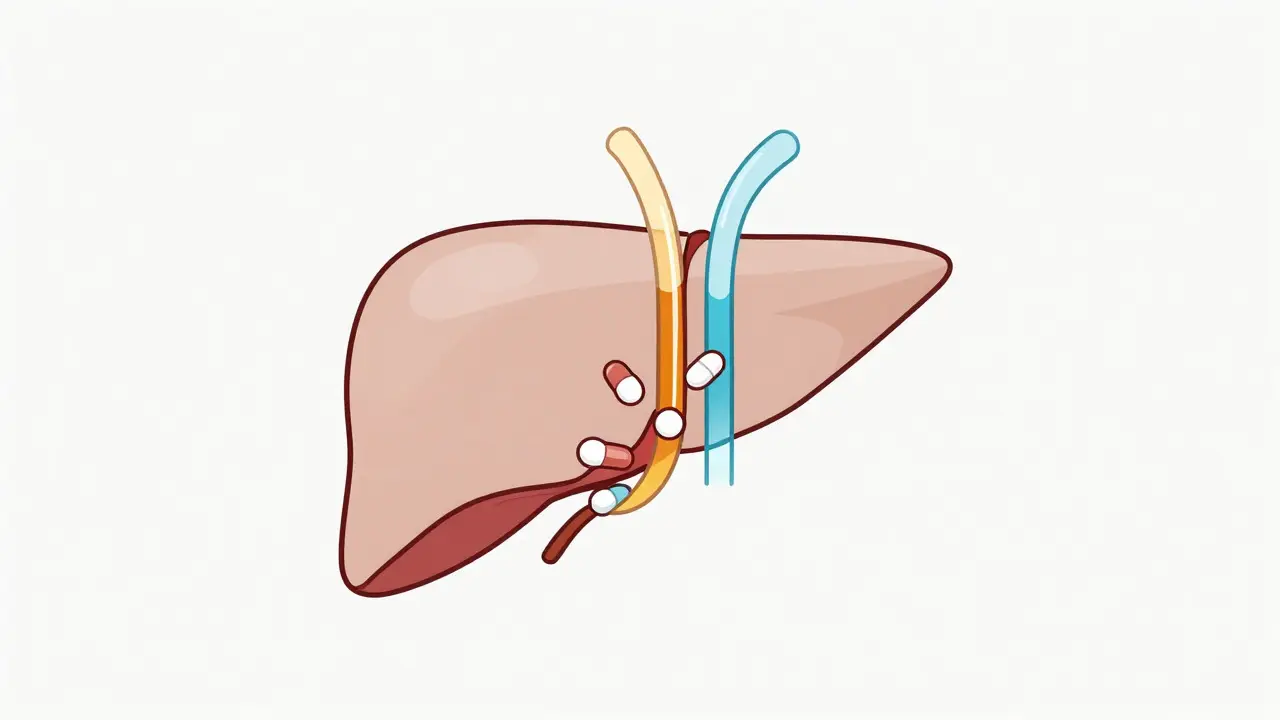
To understand why mixing is dangerous, you have to look at the liver. It is the primary factory where both alcohol and most medications are broken down. When you consume both, they compete for the same enzymes. This competition creates three main types of problems:
- Pharmacokinetic interactions: Alcohol changes how your body absorbs, distributes, metabolizes, or excretes the medication. If the liver is busy processing alcohol, it may process the drug too slowly, causing levels to build up to toxic amounts, or too quickly, rendering the drug ineffective.
- Pharmacodynamic interactions: Both substances affect the same part of the body. For example, if a drug slows your breathing and alcohol also slows your breathing, the combined effect can stop your lungs from working entirely.
- Direct toxic reactions: Sometimes, the chemical breakdown of alcohol and the drug creates new, harmful compounds that neither substance produces alone.
This is why "a little bit" matters less than "which drug." A small amount of alcohol with one pill might be fine, but that same amount with another pill could be lethal. The liver does not care about your intentions; it only cares about the chemistry.
The Highest Risk Combinations
Not all interactions are created equal. Some combinations are considered low-risk, while others are deadly. Here are the categories you need to watch out for most closely.
| Medication Class | Common Examples | Risk Mechanism | Potential Consequence |
|---|---|---|---|
| Opioids | Methadone, Codeine, Oxycodone | Synergistic CNS Depression | Fatal Respiratory Failure |
| Benzodiazepines | Alprazolam, Diazepam | Additive Sedation | Overdose, Accidents, Memory Loss |
| Acetaminophen | Tylenol, Paracetamol | Liver Enzyme Competition | Acute Liver Failure |
| NSAIDs | Ibuprofen, Naproxen | Gastrointestinal Irritation | Stomach Bleeding, Ulcers |
| Metronidazole | Flagyl | Disulfiram-like Reaction | Severe Nausea, Vomiting, Palpitations |
Opioids are pain relievers that act on the central nervous system to reduce pain perception. The Centers for Disease Control and Prevention (CDC) reported that 20% of overdose deaths involving opioids in 2020 also involved alcohol. When you mix these two, your brainstem gets double the signal to slow down. Your heart rate drops, your blood pressure falls, and your breathing becomes shallow. If your breathing stops, you die. It is that simple.
Benzodiazepines, often called benzos, are prescription medications used to treat anxiety, insomnia, and seizures by enhancing the effect of the neurotransmitter GABA. A 2019 study in the Journal of Substance Abuse Treatment found that combining alcohol with benzodiazepines increases the risk of overdose by 24 times. These drugs are already sedatives. Add alcohol, and you are stacking sedatives. The result is profound drowsiness, poor coordination, and a high risk of falling asleep and not waking up.
Then there is Acetaminophen, the common ingredient in many cold and flu remedies. While safe in normal doses, mixing it with alcohol forces the liver to produce a toxic metabolite called NAPQI. Normally, your liver has enough glutathione to neutralize this toxin. But alcohol depletes those stores. Without protection, NAPQI destroys liver cells. The U.S. Food and Drug Administration (FDA) notes that acetaminophen overdose, often involving alcohol, accounts for approximately 56,000 emergency room visits annually in the United States.
Moderate Risks and Hidden Dangers
You might think, "I don't take heavy painkillers or anxiety meds." Even then, you are not off the hook. Many everyday medications carry moderate risks that can significantly impact your quality of life or lead to serious complications if ignored.
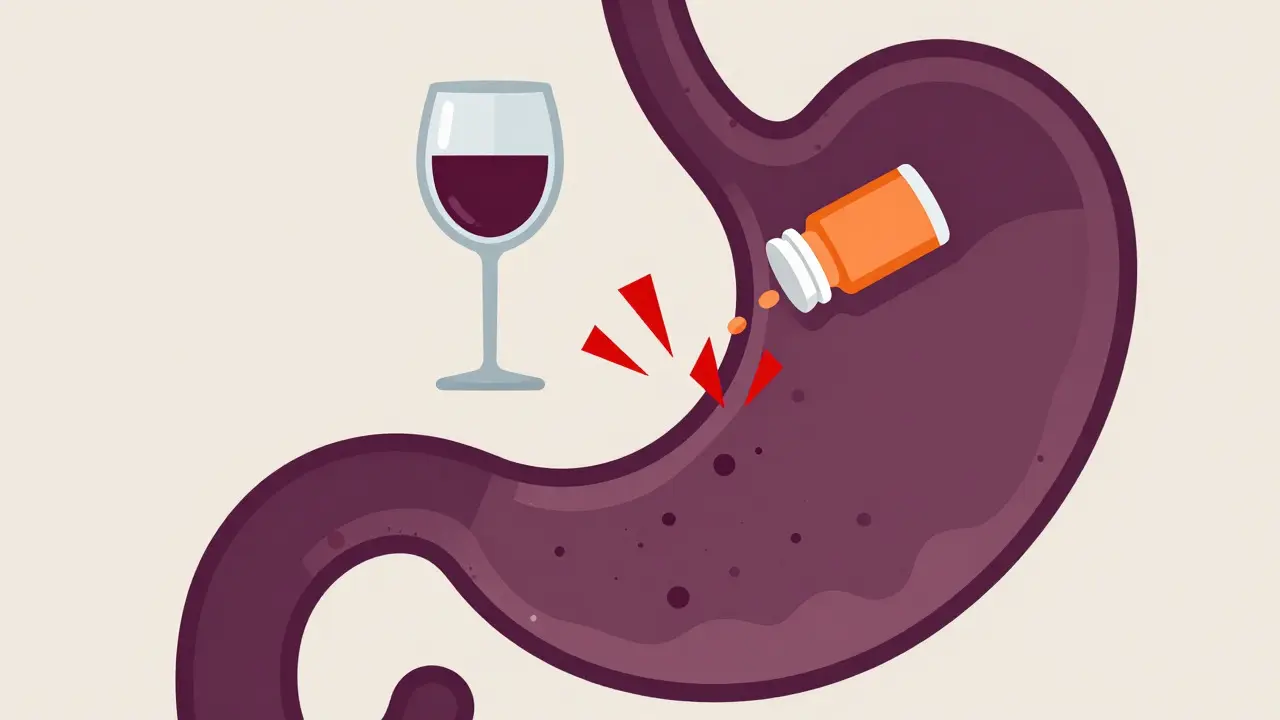
Non-steroidal anti-inflammatory drugs (NSAIDs) like ibuprofen and naproxen are popular for joint pain or headaches. However, both alcohol and NSAIDs irritate the stomach lining. A 2017 meta-analysis published in the Journal of Clinical Gastroenterology found that combining them increases the risk of gastrointestinal bleeding by 3 to 5 times. If you are prone to ulcers or take blood thinners, this risk jumps even higher.
Antihistamines, such as diphenhydramine (Benadryl), cause drowsiness. Alcohol intensifies this effect. GoodRx documents that mixing them leads to heightened dizziness and impaired motor skills. This is particularly dangerous if you plan to drive or operate machinery later that evening. You might feel "fine," but your reaction time is likely compromised.
For those managing chronic conditions, the risks are subtle but persistent. Selective serotonin reuptake inhibitors (SSRIs) are widely prescribed for depression and anxiety. Alcohol can worsen depressive symptoms and reduce the effectiveness of the medication. Additionally, blood pressure medications can suffer from "orthostatic hypotension" when mixed with alcohol. This means your blood pressure drops sharply when you stand up, leading to lightheadedness or fainting. For older adults, this is a major fall risk.
Who Is Most Vulnerable?
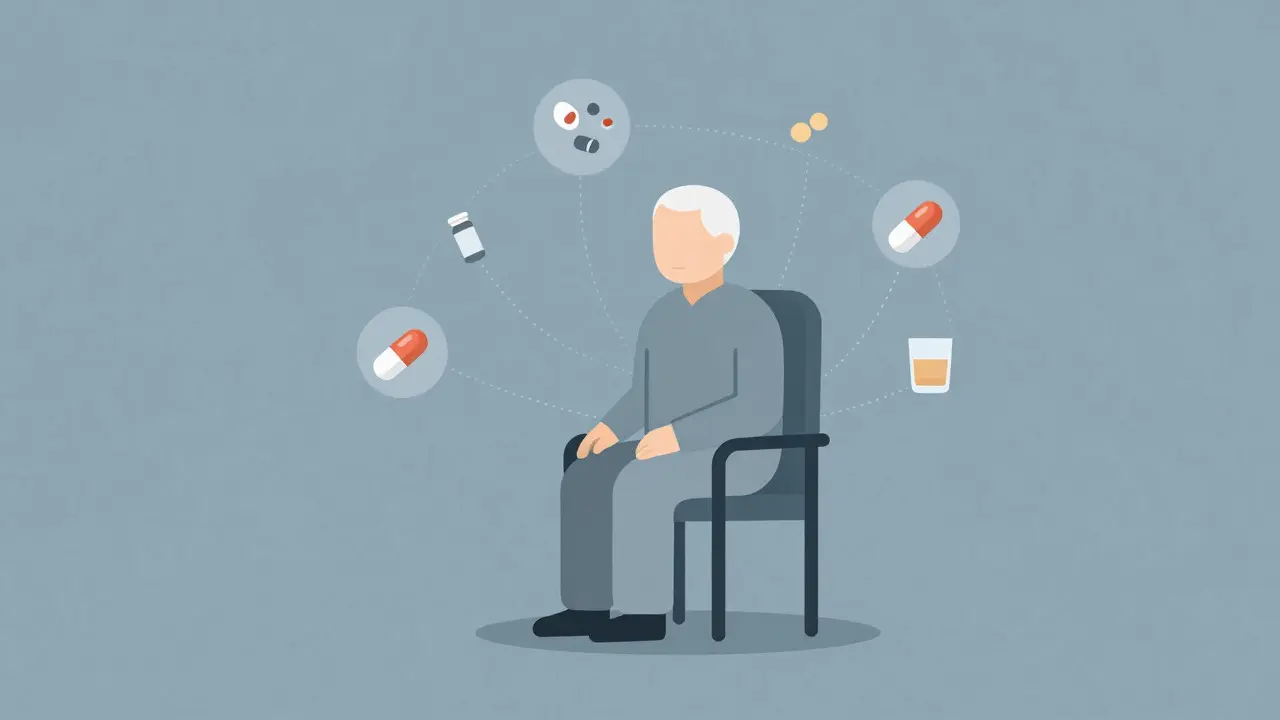
Age and biology play huge roles in how dangerous these interactions can be. Older adults, specifically those aged 65 and above, face unique challenges. Dr. Aaron White, Senior Scientific Advisor at NIAAA, emphasizes that age-related physiological changes affect both alcohol and medication metabolism. As we age, our liver function declines, and our body water content decreases. This means alcohol stays in the bloodstream longer and at higher concentrations. Furthermore, older adults often take multiple medications simultaneously, increasing the chance of complex interactions. The Beers Criteria, updated in 2019 by the American Geriatrics Society, lists 30 medications that should be used cautiously in older adults due to these specific risks.
Women also face elevated risks. Due to lower body water content and different enzyme activity, women achieve higher blood alcohol concentrations than men after consuming equivalent amounts. This intensifies the interaction with any medication. If you are female, you need to be more conservative with your drinking limits when taking any prescription drug.
Veterans and individuals with co-occurring mental health disorders are also high-risk groups. The VA's 2021 report showed that 30% of veteran suicides involved alcohol and prescription medications. SAMHSA reports that individuals with both mental health and substance use disorders experience these interactions at rates 3.5 times higher than the general population. If you struggle with either condition, proactive communication with your doctor is non-negotiable.
Practical Safety Steps
So, how do you protect yourself? You don't need to become a pharmacist, but you do need to be proactive. Here is a practical checklist to follow every time you pick up a new prescription or refill an old one.
- Ask the Pharmacist: Do not assume the label tells you everything. Ask explicitly, "Can I have a beer with this?" Pharmacists encounter patients daily who are unaware of dangerous combinations. They are your best resource for specific, personalized advice.
- Read the Label Twice: The FDA requires alcohol interaction warnings on approximately 100 prescription medications and 700 over-the-counter drugs. Look for phrases like "avoid alcohol" or "may increase drowsiness."
- Wait Out Antibiotics: If you are taking metronidazole (Flagyl), wait at least 72 hours after finishing the course before drinking. This prevents the disulfiram-like reaction, which causes severe nausea and vomiting.
- Limit Quantity for Diabetics: If you take sulfonylureas for diabetes, avoid alcohol entirely due to a 300% increased risk of hypoglycemia. If you are on metformin, limit consumption to no more than one standard drink per day to avoid lactic acidosis.
- Screen Yourself: Use tools like the AUDIT-C screening tool during consultations. It helps doctors assess your alcohol use patterns so they can prescribe safer alternatives if necessary.
Electronic health records are also getting smarter. Systems like Epic now include hard-stop alerts when providers attempt to prescribe high-risk medications to patients with documented alcohol use. However, technology isn't perfect. Only 35% of primary care physicians routinely screen for alcohol use during medication consultations according to a 2022 JAMA Internal Medicine study. That means the ball is often in your court to speak up.
Future Directions and Current Guidelines
The medical community is taking notice. The American Medical Association's 2023 policy update mandates that physicians document alcohol use screening for all patients prescribed medications with known interactions. The FDA's 2022 guidance now requires new extended-release opioid formulations to undergo specific alcohol interaction testing before approval. This is a direct response to cases where alcohol caused a rapid release of the opioid, leading to overdose.
Research is also moving toward personalization. Studies in Clinical Pharmacology & Therapeutics (2023) show promise in pharmacogenetic testing. By looking at your specific CYP2E1 enzyme variants, doctors might predict if you are at 4.7 times greater risk for acetaminophen-alcohol hepatotoxicity. While this isn't widespread yet, it points to a future where "one size fits all" warnings will be replaced by personalized genetic profiles.
Public health initiatives are ramping up too. The CDC's 'Alcohol and Medicine Don't Mix' campaign, launched in January 2023, aims to increase awareness through targeted social media and pharmacy-based education. But until these messages reach everyone, the responsibility remains shared between you, your doctor, and your pharmacist.
Is it safe to drink alcohol with Tylenol?
It depends on the amount. Occasional, light drinking with acetaminophen is generally considered safe for healthy adults. However, heavy or binge drinking significantly increases the risk of liver damage because alcohol depletes glutathione, leaving the liver unprotected against the toxic metabolite NAPQI. If you drink regularly, consult your doctor before using acetaminophen frequently.
How long should I wait to drink after taking antibiotics?
For most antibiotics, you can drink normally. However, for metronidazole (Flagyl) and tinidazole, you must wait at least 72 hours after your last dose before consuming alcohol. This is to prevent a disulfiram-like reaction, which causes unpleasant symptoms like flushing, nausea, and rapid heartbeat.
Does alcohol make antidepressants less effective?
Yes, potentially. Alcohol is a depressant, which can counteract the mood-lifting effects of SSRIs and other antidepressants. Regular drinking can also worsen sleep quality and increase anxiety, making the underlying condition harder to manage. It is best to discuss your drinking habits with your psychiatrist or GP.
What are the signs of a dangerous alcohol-medication interaction?
Signs vary by medication but commonly include extreme drowsiness, confusion, difficulty breathing, blue lips or fingernails (lack of oxygen), severe stomach pain, or unusual bruising. If you experience these after mixing alcohol and meds, seek medical attention immediately.
Are herbal supplements subject to alcohol interactions?
Yes. Herbal remedies like St. John's Wort, valerian root, and kava can interact with alcohol and other medications. Valerian, for instance, is a sedative and can enhance the effects of alcohol and other CNS depressants. Always tell your healthcare provider about all supplements you take, not just prescriptions.